Introduction: Why the United E7W Matters for Discerning Travelers
The Embraer 175-listed as the E7W in United's booking system-occupies the sweet spot between cramped 50-seat regional jets and larger narrowbodies that airlines struggle to fill on thinner routes. For travelers who pay attention to aircraft type before clicking "purchase," the E7W consistently ranks among the most comfortable regional jets in North American skies.
That said, comfort is relative. Even a well-appointed first-class seat on the E7W cannot match the door-to-door time savings, privacy, and schedule flexibility of stepping onto a private jet via a BlackJet Jet Card for comparable regional missions like New York to Chicago or Los Angeles to San Francisco.
The E7W belongs to the broader Embraer E-Jet family, a platform that transformed how regional airlines serve secondary markets worldwide. This article focuses specifically on United's configuration-its cabin, seat map, performance specifications, and safety record-alongside a clear-eyed comparison to private jet alternatives for travelers who demand more from every trip.
What makes the E7W popular? No middle seats anywhere on the airplane. Generous legroom compared to older regional fleets. Modern aircraft features include Wi-Fi and large overhead bins. And a ride quality that rivals many mainline jets.
Here's what we'll cover: detailed seat dimensions, best seat strategies, technical specifications, the e jet series history, safety, sustainability, and the specific scenarios where stepping up to private aviation makes strategic sense.
What Is the United E7W (Embraer 175) and Where Does It Fly?
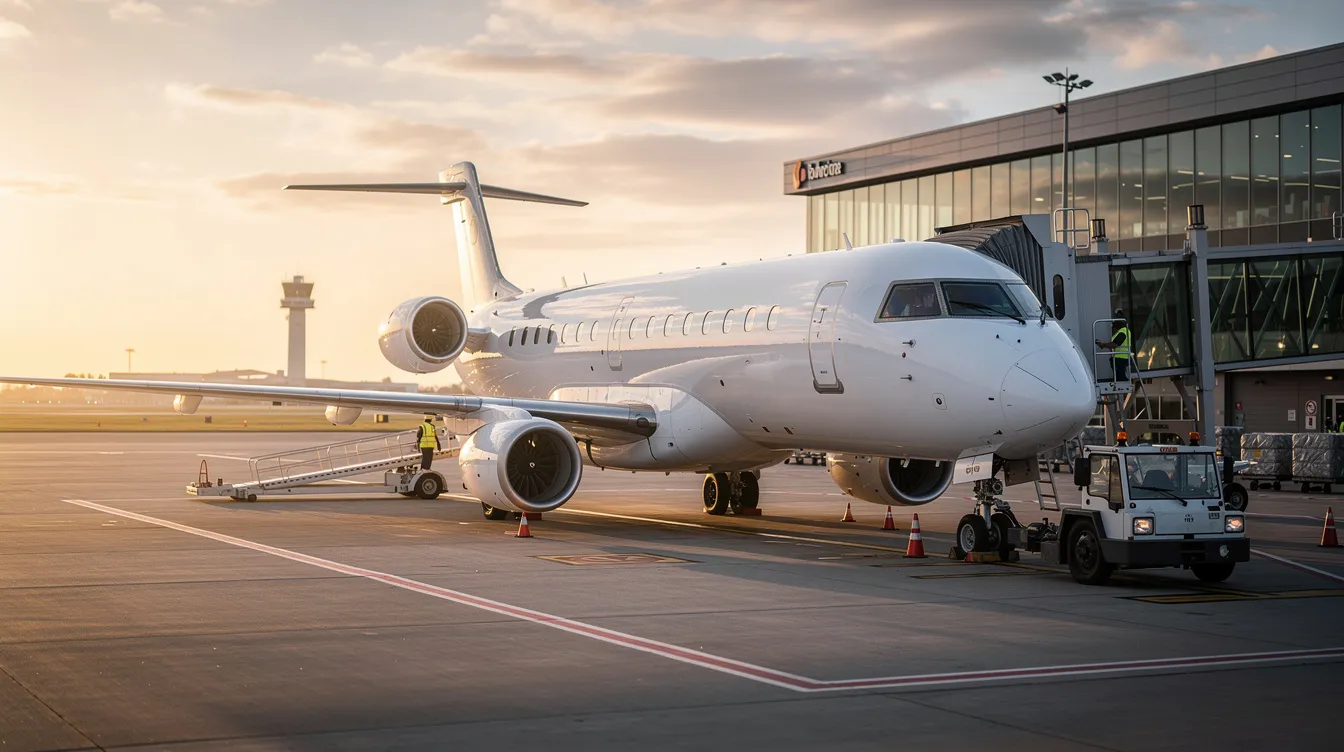
The designation "E7W" is United's internal equipment code for the Embraer 175, a twin-engine, narrow-body regional jet designed for short- to medium-range flights. The Embraer E175 is a twin-engine, narrow-body regional jet. The E7W is not operated by United mainline crew. Instead, it flies under the united express banner through partners like skywest airlines, Republic Airways, and Mesa Airlines-each meeting United's operational standards.
Typical routes last one to three hours and connect secondary cities to major United hubs:
Burbank to San Francisco
Austin to Denver
Richmond to Newark
These are lower-demand routes where deploying a full-size Boeing 737 or Airbus A320 family aircraft would be uneconomic, but where travelers still expect mainline-level comfort. The E175 is operated by various regional carriers on behalf of major airlines precisely because it fills this gap. The E7W seats about 70 passengers across two classes, delivering a flight experience that feels closer to mainline service than the cramped 50-seat jets it replaced.
Within United's fleet strategy, the E7W feeds transcontinental and international routes by maintaining high-frequency service on business-heavy spokes. It optimizes connectivity to smaller markets without sacrificing the cabin quality that frequent flyers expect.
The Embraer E‑Jet Family: Legacy in Regional Aviation
The embraer e jet family-comprising the E170, E175, E190, and E195-was launched in 1999 at the Paris Air Show to fill the 70- to 120-seat gap between turboprops and larger single-aisle jets. The design introduced a double bubble fuselage cross-section that delivers better headroom and a wider aisle feel than older regional aircraft like the Bombardier CRJ series.
Key milestones in the e-jet family timeline:
1999: Program launch at Paris Air Show
2002: E170 first flight and first prototype testing
March 2004: LOT Polish Airlines operated the first E-Jet commercial flight
July 2005: The E175 entered service with Air Canada
July 2020: Air Canada had flown 25 million passengers on E175s
Today, the E175 holds about 80 percent of its market segment in North America, underscoring Embraer as the company behind the program. The E175 remains in production due to strong U.S. demand, and Embraer expects 200 firm orders for the E175 assembly line in India.
Embraer developed an updated variant called the E175-E2, part of a second-generation family introduced from 2018 onward with more efficient Pratt & Whitney PW1000G geared turbofan engines. However, U.S. pilot scope clauses-which limit maximum takeoff weight for regional operations-keep the E175-E2 largely out of American regional airlines' fleets.
The Embraer aircraft family underpins regional connectivity across Europe, Latin America, and North America, reflecting the aircraft maker's standing in the world. For travelers seeking a parallel premium access layer on similar stage lengths, BlackJet's private fleet options offer bespoke service without the constraints of commercial scheduling.
United E7W Cabin Layout and Seat Map Overview
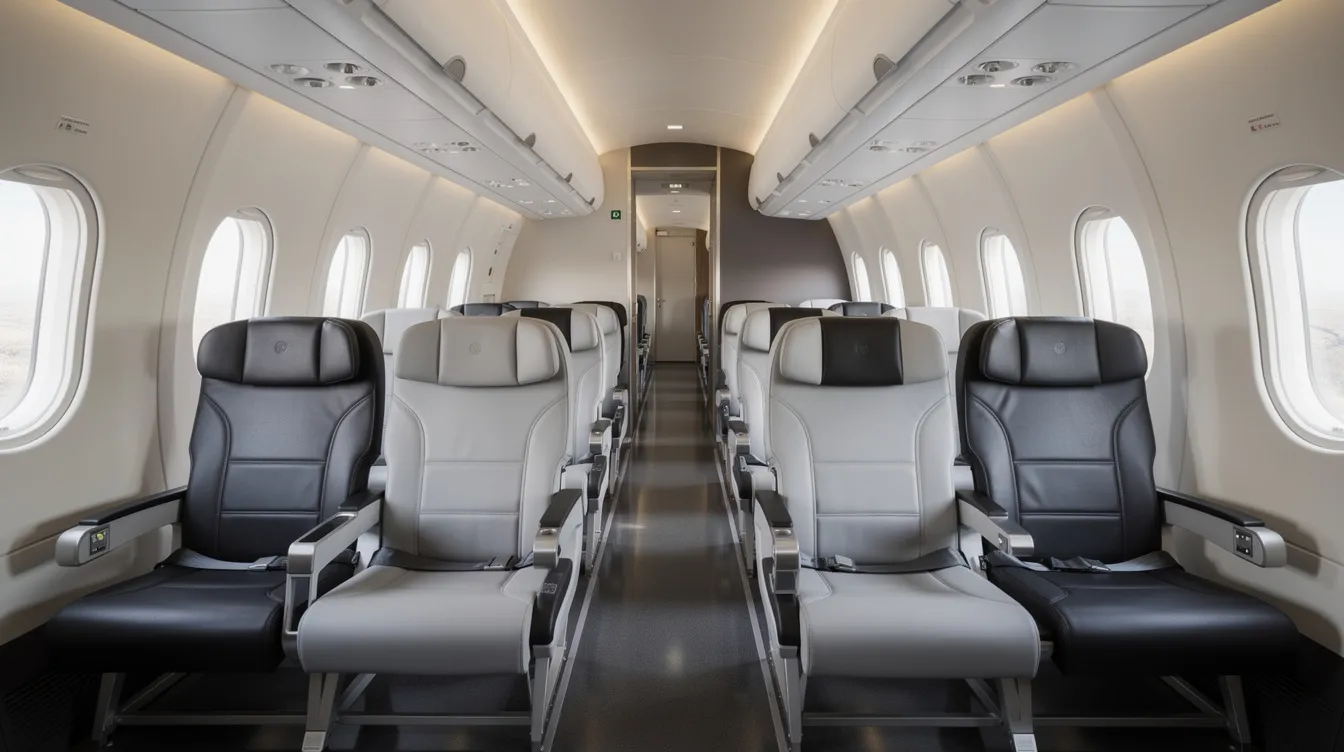
United's E7W features a 70-seat configuration divided into two classes. The seat map breaks down as follows:
Rows 1–4 (United First): 12 first-class seats in a 1-2 layout
Rows 7–9 (Economy Plus): approximately 16 extra legroom seats in a 2-2 layout
Rows 10–24 (Standard Economy): approximately 42 seats in a 2-2 layout
The E7W offers a total of 70 seats in a 2-2 configuration. The Embraer 175 typically seats 78 passengers in a single-class configuration and has a maximum capacity of up to 88 passengers in higher-density configurations used by other airlines. The E175 typically seats 70 to 76 passengers in a dual-class layout, depending on the carrier.
The cabin is single-aisle and relatively intimate compared with mainline jets, which translates to faster boarding, quicker deplaning, and a quieter atmosphere for most passengers.
United operates at least two interior versions of the E7W, with slight variation in power outlet availability and overhead bin size. Travelers should consult the specific seat map in the United app before selecting seats to confirm which version they'll board.
For frequent flyers who spend time optimizing seat maps, the contrast with private aviation is striking. BlackJet travelers don't pick individual seats-they choose entire aircraft categories from a range of premium private jet card programs and customize cabin layouts, catering, and working zones to match the mission.
First Class on the E7W: Comfort, Seat Dimensions & Best Choices
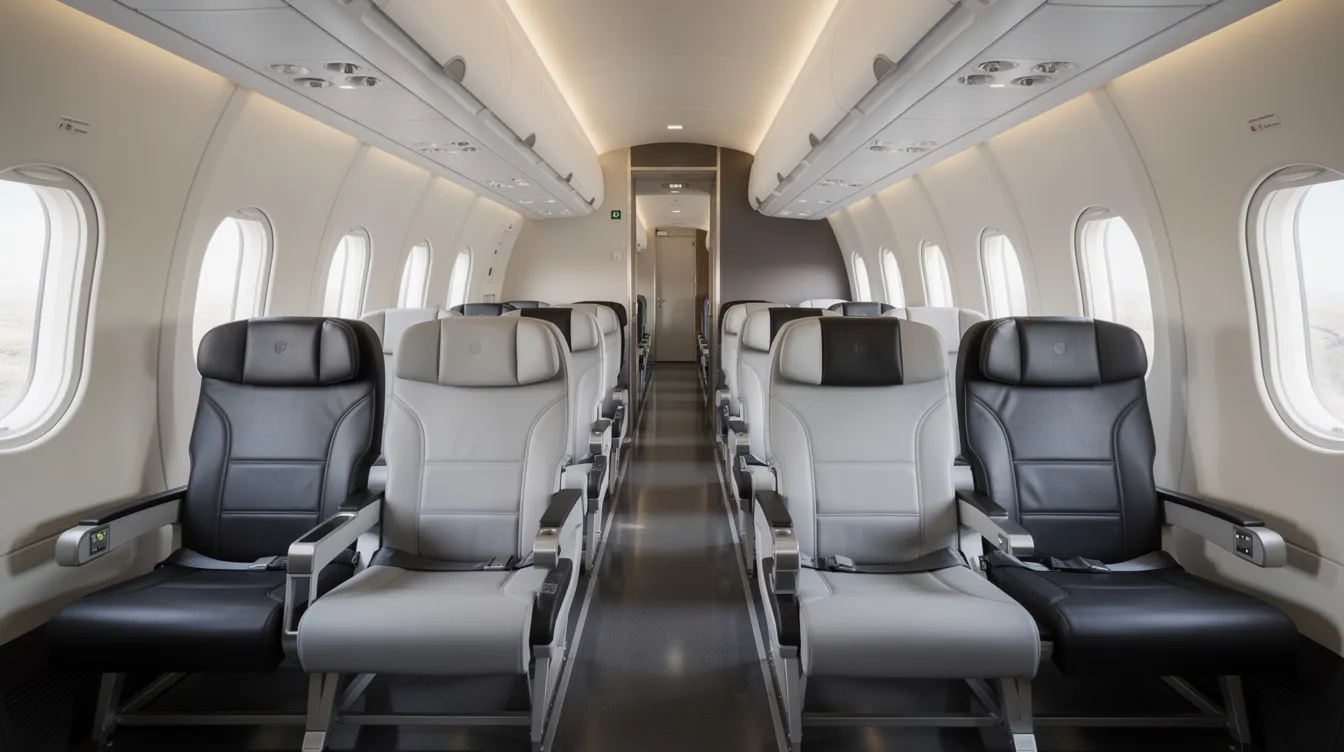
United First on the Embraer 175 E7W delivers 12 recliner-style first-class seats across four rows in a 1-2 configuration. The layout gives solo travelers something rare on regional aircraft: a genuine single-window seat with no seatmate.
The hard numbers:
Pitch: First-class seats on the E7W have a pitch of 37 inches
Seat width: 20 inches
Recline: approximately 5 inches
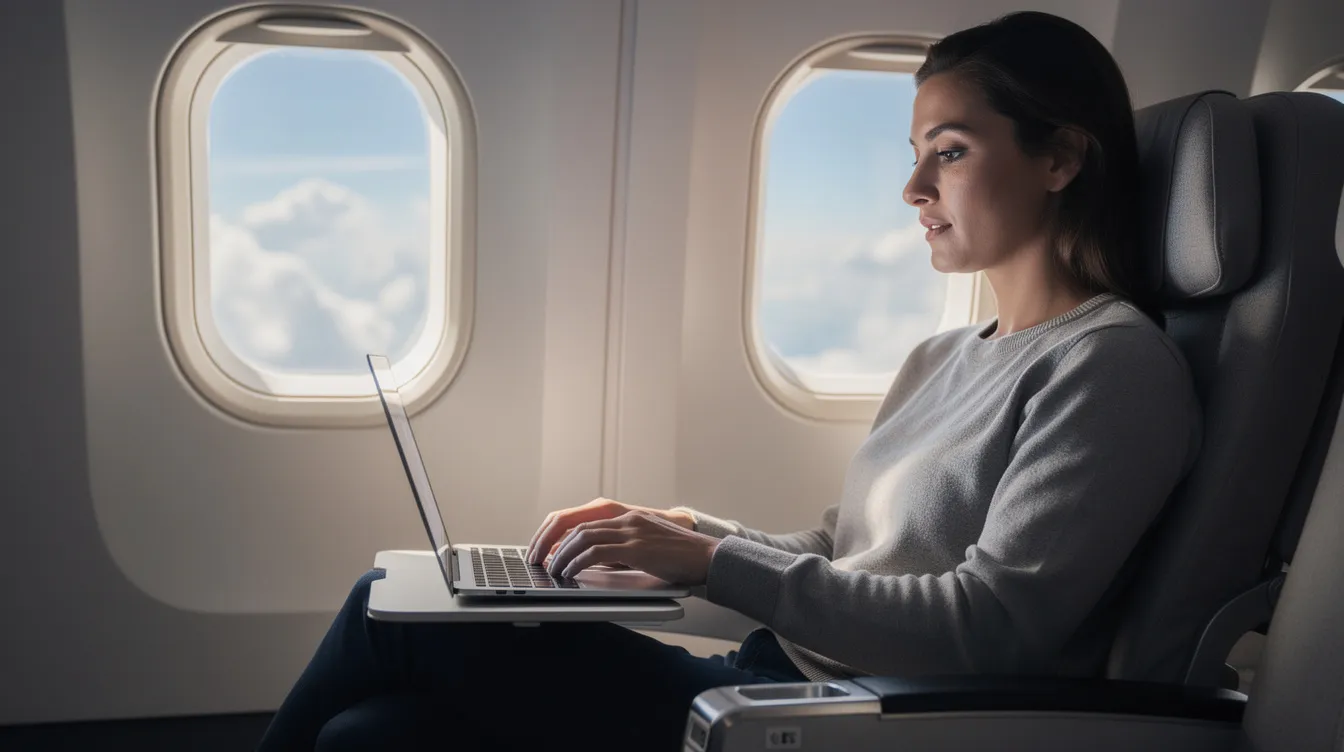
Adjustable headrests and larger tray tables suited for laptops
For the best seat in first class, solo travelers should target the single "A" seats (1A through 4A). Row 1 offers maximum room but sits close to the forward galley. Row 4 provides a quieter ambiance, set apart from galley noise and the curtain separating cabins. Couples traveling together will prefer the "C/D" pair on the right side.
First class passengers also get 110V power outlets between seats, priority boarding, and enhanced baggage allowances. That said, this is still a regional first-class product-recliner seats, not lie-flat, with service limited by short sector lengths.
The comparison point for executives is clear: on the same city pairs, a BlackJet-arranged light or midsize private jet eliminates seat map compromises entirely, offering club seating, full privacy, and tailored catering without competing for the best row, especially on routes where chartering a private jet is most worthwhile.
Economy Class, Economy Plus & The "No Middle Seats" Advantage
United economy on the E7W is arranged 2-2 throughout, which means there are no middle seats anywhere on the plane. Every passenger gets either a window or an aisle-a significant comfort advantage over many Boeing 737 and Airbus narrowbody cabins where the dreaded center seat is unavoidable.
The three economic zones break down like this:
Economy Plus (Rows 7–9): approximately 34-inch pitch, 18-inch seat width, extra legroom
Standard Economy (Rows 10–24): economy class seats on the E7W have a pitch of 31 inches and an 18-inch width
Exit rows: additional legroom compared to standard rows, but limited recline and stricter seating rules
The E7W features a 2-2 seating layout in economy class that feels noticeably more spacious than older 50-seat regional jets. The wider fuselage, larger windows, and generally better pitch make the United economy cabin competitive even on flights where other passengers might expect a more cramped experience.
For high-value travelers, the trade-offs remain real: security lines, boarding queues, and limited personal space persist regardless of how good the seat is. A business traveler might choose Economy Plus for a quick 2-hour hop with extra legroom and early boarding. But a small team flying Los Angeles to San Francisco could opt for a light jet through a BlackJet Jet Card to bypass airports entirely on the same route, arriving at a quieter FBO and stepping directly onto their aircraft, especially once they understand the cost to charter a small private plane.
Passenger Experience: Wi‑Fi, Power Outlets, Lavatories & Onboard Service
The Embraer E7W features Wi-Fi for passenger connectivity on most frames, with ongoing upgrades including Starlink satellite connectivity rolling out across the fleet. Entertainment runs through United's streaming app rather than seatback screens, so passengers should download the app before boarding.
The aircraft has USB in-seat power outlets available, and first class and Economy Plus typically include universal 110V outlets as well. Some versions of the E7W may lack outlets in standard economy-always verify in the United app before your flight.
The E175 offers large overhead bins and full-sized lavatories, a meaningful upgrade from the smallest aircraft in the regional fleet. The E7W includes larger overhead bins for additional luggage space, designed to accommodate most standard carry-ons without gate-checking. Lavatory configuration is one forward (primarily for first class) and one aft for economy, creating a favorable seat-to-lavatory ratio.
Typical service flow on regional flights:
Pre-departure beverages in first class on longer legs
Snack basket and complimentary drinks during the cruise
Limited meal options due to short sectors and galley constraints
BlackJet's service model operates on a different level entirely: fully customized catering ordered in advance, uninterrupted connectivity where the aircraft is equipped, a quieter cabin with no PA announcements from crew about connecting gates, and the ability to work or rest without other passengers nearby. For travelers weighing amenities alongside productivity, the private aviation value proposition becomes harder to dismiss once they factor in what it costs to rent a private jet.
Best Seats on the United E7W and How to Read the Seat Map
Clear recommendations for choosing seats on the E7W:
First Class:
Solo travelers: prioritize single "A" seats (1A through 4A)
Couples: choose "C/D" pairs on the right side
Row 1 delivers the most room; row 4 offers quieter surroundings
Economy Plus:
Bulkhead row 7 provides the most legroom, but may have tray table and armrest constraints
Exit rows (where applicable) offer additional stretch, but check for recline restrictions
Standard Economy:
Avoid seats in the last row (typically row 24) near the rear lavatory-noise and foot traffic make these the least desirable on the plane
Watch for misaligned windows in certain rows
Seats in front of exit rows may not recline
To read a seat map effectively, look for color codes on tools like SeatGuru that distinguish standard, extra legroom, and preferred seats. Icons denoting limited recline, missing windows, or restricted under-seat storage can save you from an uncomfortable flight.
Dynamic factors to watch:
Aircraft swaps can change your seat assignment entirely
Last-minute operational changes may shift cabin configurations
Basic Economy fare restrictions can override your preferences
This micro-optimization of commercial seat maps contrasts sharply with private aviation's macro-choice. With a BlackJet Jet Card, clients select an aircraft category-light, midsize, super-midsize, or large cabin-and the entire space is effectively the best seat. No row numbers to debate, no icons to decode, and for some missions, even buying a single seat on a private jet can be more efficient than managing multiple commercial tickets.
United E7W Basic Economy, Fare Classes & Upgrade Strategies
United's basic economy rules hit particularly hard even on a comfortable aircraft like the E7W. Passengers booking this fare class face:
No advance seat selection without paying extra fees
Automatic assignment at check-in, often in standard economy rows 11–24
Higher risk of group and family separation, even with the 2-2 layout
Higher economy fare buckets and elite status unlock meaningful improvements: access to Economy Plus, preferred seats, and complimentary upgrades to first class for Premier members when space allows.
Practical strategy for frequent flyers:
Book early for the widest seat selection
Pay for Economy Plus on any flight longer than 2 hours
Avoid basic economy if you need guaranteed adjacent seats
Leverage MileagePlus miles or co-branded credit card benefits for upgrades
Compare this seat-by-seat optimization with BlackJet's Jet Card model: prepaid hourly access guarantees aircraft availability within defined notice windows. There are no fare class tiers, no yield-managed pricing, and no extra fees for changing plans, and travelers can benchmark value using a clear view of jet card cost per flight hour.
For travelers who routinely pay last-minute first-class fares on regional routes, a Jet Card can become a strategically smarter spend, converting unpredictable commercial costs into fixed, all-inclusive private jet access. The comparison sharpens further when you factor in jet card versus fractional ownership economics.
E7W Performance, Range & Technical Specifications
The Embraer 175 is built for efficient regional operations. Here are the numbers that matter:
Cruise speed: The E7W cruises at 530 mph (850 km/h), with a cruising speed of approximately 0.75 to 0.82 Mach depending on conditions
Range: approximately 2,000 nautical miles, covering virtually any regional mission in North America
Maximum operating altitude: 41,000 feet
Engines: equipped with two General Electric CF34-8E engines, each delivering 14,500 lbf (64 kN) of thrust
It is powered by two General Electric CF34-8E engines.
The airframe itself measures just over 103 feet in length with a wingspan of 76 feet, 3 inches. The E175 has enhanced winglets that improve fuel efficiency and reduce drag at cruise altitude. Maximum takeoff weight is constrained to meet U.S. scope clause limits for regional airline operations.
The aircraft features a fly-by-wire flight control system—a technology more commonly associated with larger Embraer aircraft and mainline jets—that enhances handling, stability, and fuel efficiency relative to older regional designs. The aircraft features a fly-by-wire flight control system. This translates to smoother landing profiles and more precise approaches, particularly noticeable in crosswind conditions.
Compared to the 50-seat CRJ200, the E7W offers dramatically more range, space, and ride quality. Compared to the light and midsize business jets used by BlackJet clients, many match or exceed the E175's range while carrying far fewer passengers, making them ideal for executive teams rather than mass transport.
The E175's fuel burn per seat on regional routes supports airline sustainability goals, a point we'll return to shortly, especially when comparing it with the broader private jet price landscape and access models.
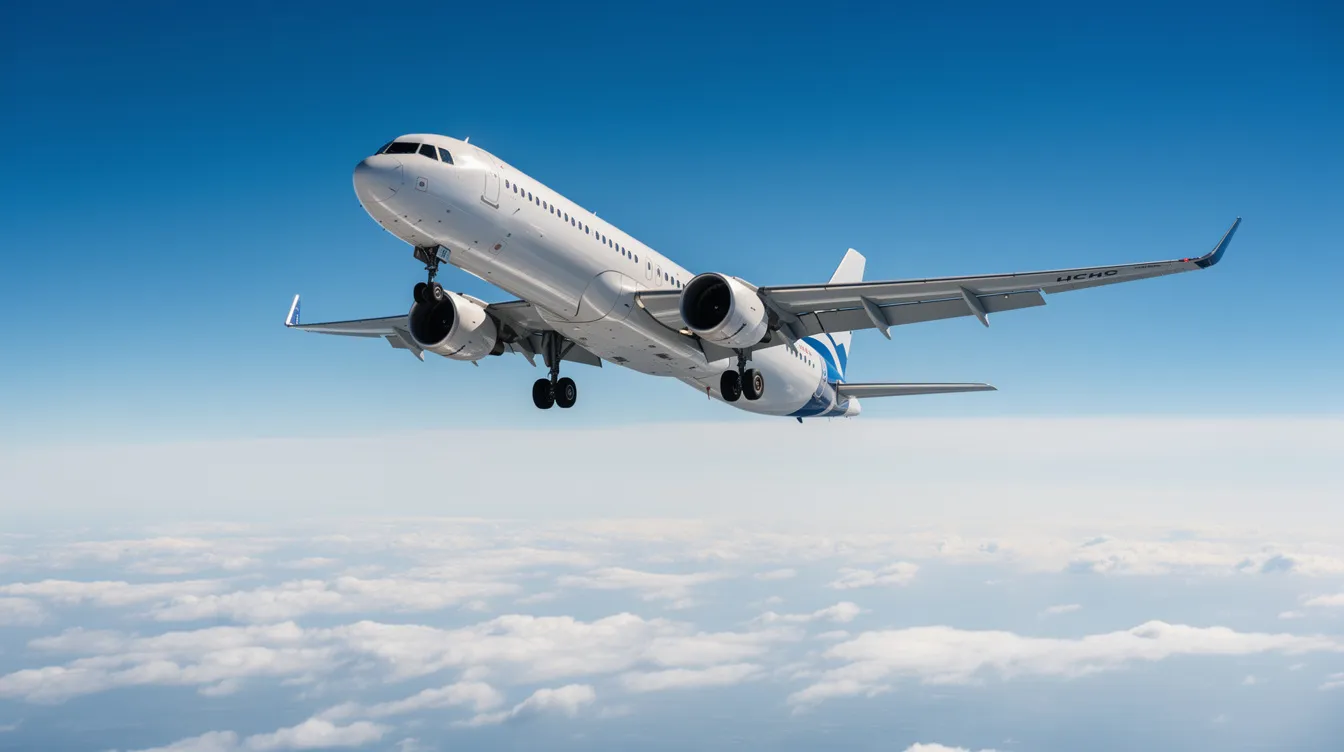
Safety Record, Reliability & How Embraer Compares to Boeing and Airbus
The Embraer E-Jet family carries a strong safety record across two decades of global operations. The E175 has accumulated millions of flight hours since entering service in 2005 with major carriers across North America, Europe, and Latin America. Most recorded incidents involve operational factors-weather events, runway overruns-rather than structural or design failures.
Regulatory oversight from the FAA, EASA, and Brazil's ANAC ensures ongoing airworthiness through mandatory inspections, airworthiness directives, and maintenance standards that apply to every airline operating the type. The E175 meets the same certification rigor as Boeing and Airbus narrowbodies, and its operational track record reflects that parity.
This safety baseline naturally extends to private aviation as well. BlackJet partners exclusively with operators meeting top-tier third-party audit standards such as ARG/US and Wyvern, maintains rigorous pilot experience requirements, and provides continuous oversight that matches or exceeds commercial norms. You can learn more about Part 135 operational standards that govern charter flights.
Whether a traveler chooses United's E7W in first class or a private jet through BlackJet, safety remains a non-negotiable baseline. The real differences between the two emerge in privacy, schedule control, and productivity-not in fundamental airworthiness, and for would-be aircraft owners, it can be more economical to factor in the full cost of private jet pilots and operations before deciding to buy rather than fly via Jet Card or charter.
E‑Jets, Sustainability & BlackJet's Carbon‑Neutral Private Flights
Embraer E-Jets were designed with relatively low fuel burn for their seat class, making them more efficient than the older regional aircraft they replaced. Per-seat emissions on the E175 compare favorably to previous-generation 50-seat jets, which helps airlines meet fleet-wide carbon targets on regional routes.
Looking forward, the E175-E2 is 24 percent more fuel-efficient than previous generations, incorporating new engine technology and aerodynamic refinements. Embraer continues exploring hybrid and alternative-fuel concepts that could further reduce the environmental footprint of regional aviation over the coming decade, just as private flyers increasingly look at the cheapest private aircraft options to balance cost, efficiency, and sustainability.
For private aviation, BlackJet's sustainability commitment is concrete: every BlackJet flight is carbon neutral, with 300 percent offset coverage automatically included at no extra cost to members. This covers not just CO₂ but water vapor, aerosols, and nitrous oxide-other climate forcing agents that standard offset programs often ignore. Corporate clients receive detailed ESG reporting per flight and annually, while cost-conscious travelers can still explore the most affordable private jet options without abandoning environmental goals.
The pragmatic approach for environmentally conscious business travelers? Continue using efficient regional airline service like the E7W where appropriate, and shift highest-value, time-critical missions to BlackJet's carbon-neutral private flights. Both pillars can align with stronger sustainability practices without sacrificing productivity.
When to Choose United E7W vs. a BlackJet Private Flight
This is not an either-or decision. Sometimes the E7W in first class or Economy Plus is perfectly adequate. Other times, private aviation is a strategic advantage that pays for itself in reclaimed time and confidentiality.
Scenario 1: The Midwestern Day Trip An executive based in Chicago needs back-to-back meetings in Indianapolis with a same-day return. Commercial options involve two airport experiences, security twice, and rigid departure times. A BlackJet light jet departs from a quiet FBO on the executive's schedule, eliminating the overnight hotel and adding three productive hours to the day, often at a total trip cost that aligns with the benchmarks in guides to chartering a small private plane.
Scenario 2: The West Coast Team Shuttle. A four-person team flies from Los Angeles to San Francisco weekly. United Express E175 service works well individually, but chartering a light jet via BlackJet allows the team to meet in flight, depart from a closer airport, and arrive together-turning transit time into planning time and offering a taste of the economics normally associated with 12-seater private jet charters.
Scenario 3: The International Connection A family arriving on a long-haul flight into a United hub needs a regional leg to a smaller city. Rather than navigating terminal transfers and a connecting E7W flight with young children, they charter directly to a regional airport closer to their destination.
Across all three scenarios, the comparison dimensions are the same: door-to-door time, ability to work confidentially, control over schedule, and total trip cost per productive hour—exactly the trade-offs explored in depth when assessing whether chartering a private jet is worth it.
BlackJet's Jet Card model simplifies the logistics: prepaid 25- or 50-hour blocks across multiple aircraft categories, guaranteed access within set notice windows, 24/7 digital booking, and real-time support. Travelers comparing 50-hour jet card pricing and value can use those benchmarks alongside the dedicated BlackJet 25+ Hour Jet Card program. United's E7W service remains a strong baseline for regional travel. BlackJet sits above it as the premium layer for trips where control, privacy, and time outweigh incremental ticket savings.
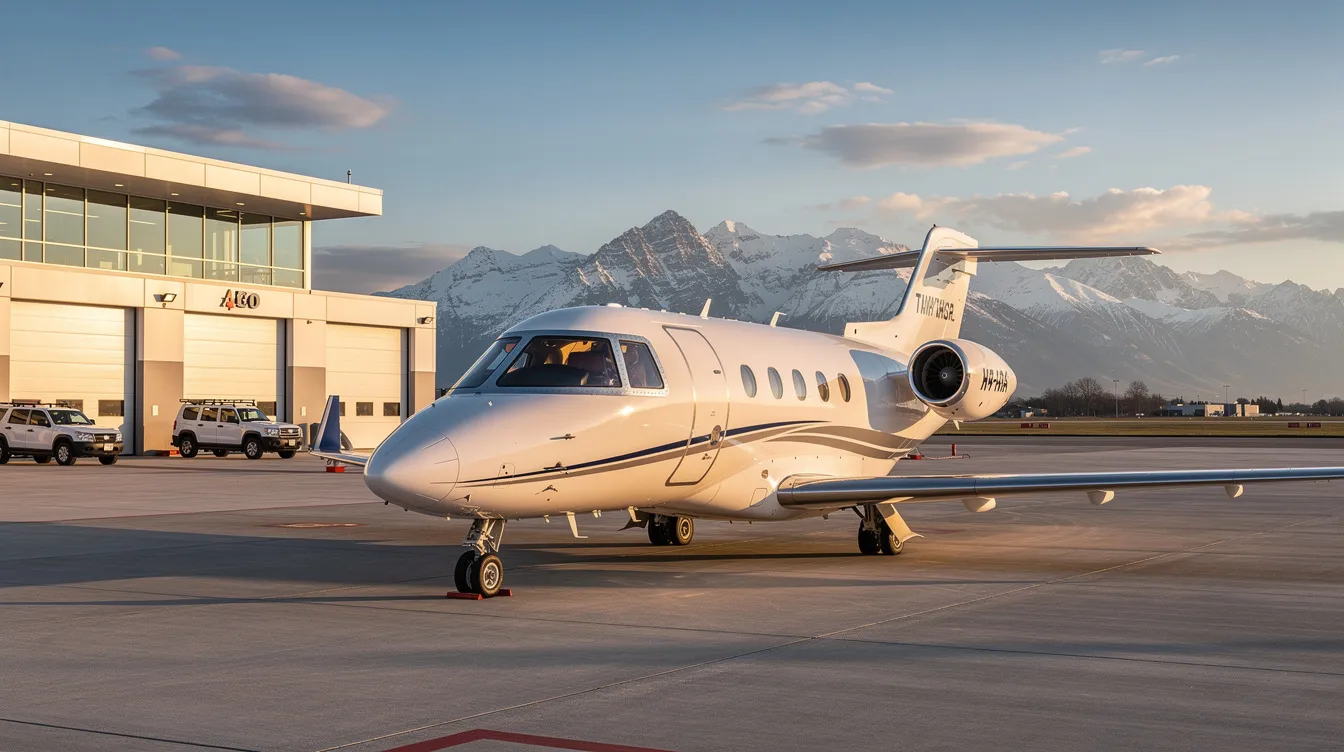
Conclusion & Next Steps: Mastering the E7W – and Going Beyond It
The United E7W is one of the best regional jets flying today. Its no-middle-seats cabin, modern amenities, and the Embraer platform's proven reliability make it a favorite among travelers who pay attention to what they board. Understanding the seat map, knowing which row to target, and choosing the right fare class can meaningfully improve your flight experience on every trip.
But for travelers who find themselves on E7W flights week after week-shuttling between hubs for meetings, client visits, or high-stakes engagements-the real leap in control and comfort comes from selectively stepping into private aviation.
If the E7W is your current workhorse, a BlackJet Jet Card can complement it beautifully: turning your most demanding regional hops into seamless, carbon-neutral private journeys while keeping commercial flights in your rotation where they make sense, especially if you compare the best jet cards for frequent flyers before committing.
Explore premium jet access with BlackJet. Visit blackjet.com to review sample missions, hourly rates, and Jet Card options-and discover where private flight can reshape the way you fly. From analyzing 100-hour jet card cost structures and Flexjet jet card pricing to comparing NetJets jet card programs, large-cabin jets for 20 passengers, private jet pricing in rupees for India-based travelers, and broader jet card pricing models and benefits, you can benchmark United E7W trips against a full spectrum of private aviation choices.


 Sign up with google
 Sign up with Apple