If you've ever watched a flight attendant navigate a turbulence-filled cabin with a calm smile and thought, "I wonder what that job pays," you're not alone. Flight attendant pay is one of the most searched topics in aviation careers-and the answer is more nuanced than a single number. Here's what the data actually says in 2026, from entry-level crew to senior international flyers to private jet cabin crew earning day rates that rival executive salaries.
This guide is for aspiring flight attendants, frequent travelers, and anyone curious about airline pay. Understanding how flight attendants are compensated helps travelers and job seekers appreciate the value and demands of the role.
Quick Answer: Do Flight Attendants Get Paid Well in 2026?
Yes-relative to most service and hospitality careers, flight attendants earn strong compensation, and it gets significantly better with time.
Commercial flight attendants earn a median salary of $67,130, according to Bureau of Labor Statistics data, with the average salary closer to $79,000 when high earners pull the mean upward. The median annual wage reported by the BLS sits at $63,580 across all experience levels, meaning half of all flight attendants earn more than that figure.
But "do flight attendants get paid well" depends heavily on where someone falls on the experience spectrum:
Starting flight attendants typically earn between $28,000 and $35,000 annually in their first one to two years, including per diem.
Entry-level flight attendants earn between $33,000 and $40,000 annually at most airlines once initial training is complete and regular flying begins.
Senior flight attendants on international routes at major airlines regularly exceed $100,000 in total compensation.
Private jet cabin crew often earn $500–$900+ per day, with some elite operators pushing well beyond that.
This article breaks down how flight attendant pay, per diem, and overall compensation work across commercial airlines and private jets-including how BlackJet fits into the private aviation picture for travelers who experience the service side of that equation.
What Flight Attendants Actually Do (Why Their Pay Looks the Way It Does)
Flight attendant compensation reflects a role that is, first and foremost, a safety position. Flight attendants are responsible for passenger safety and customer service-in that order. Before every departure, crew members execute preflight safety checks, verify emergency equipment, review safety procedures, and brief passengers on evacuation protocols. They manage medical emergencies, de-escalate confrontations, and maintain FAA compliance throughout every flight.
Day-to-day duties span far beyond drink service:
Boarding passengers, conducting headcounts, securing the cabin
Delivering safety demonstrations and monitoring compliance
Managing in-flight service across multiple cabin classes
Handling operational disruptions, medical events, and disruptive behavior
Completing post-flight reports and aircraft checks
In private aviation-especially on business jets serving high-net-worth travelers-cabin crew responsibilities expand further, often within structured jet card membership programs with predictable pricing. A VIP flight attendant may handle bespoke catering, coordinate with ground staff for customs and immigration, manage privacy protocols, and deliver concierge-level service as the sole crew member in the cabin. These elevated responsibilities are a key reason private jet cabin crew compensation often surpasses commercial airline pay scales.
How Flight Attendant Pay Is Structured (Base Pay, Flight Time, and More)
Understanding flight attendant pay requires knowing one critical fact: pay calculations often begin when the aircraft doors close. Flight attendants are typically paid based on flight hours-also called "block time"-which starts when the aircraft door shuts and ends when it reopens at the destination. Time spent boarding passengers, handling ground delays, or waiting between flights is frequently unpaid or compensated at sharply reduced rates, though recent contract raises at several carriers have begun addressing boarding pay.
Here's how a typical monthly paycheck breaks down:
Flight pay: The core of compensation. Flight attendants typically log 75 to 100 flight hours monthly, paid at their per-flight-hour rate. Rates range from roughly $25–$38 for new hires at regional airlines up to $80–$100+ for senior crew at major airlines.
Per diem: An hourly allowance for time away from base covering meals and incidentals. Per diem rates typically range from $2.00 to $3.00 per hour and are generally non-taxable.
Premium pay: Additional pay for holidays, red-eye flights, lead flight attendant duties, or foreign language qualifications.
Credit hours and guarantees: Most airlines guarantee a minimum number of paid flight hours monthly (typically 70–85 hours), protecting crew from schedule shortfalls.
Deadhead pay: Compensation for repositioning flights where the crew member travels as a passenger to reach their next flight assignment.
Union contracts at carriers like United Airlines, American Airlines, Delta Air Lines, and Southwest Airlines lock in standardized pay scales based on years of service rather than individual performance. These contracts also govern duty rigs, rest requirements, hotel accommodations, and per diem rates.
Average Flight Attendant Salary in 2024–2026
The numbers paint a clear picture. The median flight attendant salary was $67,130 in 2024, with similar figures projected through early 2026 absent major contract shifts. The average salary sits higher-around $78,950-because high-earning senior crew pull the mean upward.
Here's how the distribution breaks down:
Bottom 25%: Approximately $52,000–$53,000 annually (mostly junior crew and regional airlines)
Median: ~ $67,130
Top 25%: Earned over $98,160 in 2024
Top 10%: The top 10 percent of flight attendants earn more than $136,430 annually
The hourly rate averages around $29–$30 when blending lower-paid regional airlines with higher-paid mainline carriers. Flight attendants may receive additional compensation for international routes, which pushes total earnings higher for those with seniority to bid premium international trips.
When travelers ask "how much do flight attendants make," these published figures combine base flight pay plus typical monthly schedule hours but exclude variable extras like additional pairings, holiday premiums, or signing bonuses from new union contracts.

Flight Attendant Salary Ranges by Career Stage
Flight attendant compensation follows a predictable arc driven almost entirely by seniority. Here's what each career band looks like:
First-year flight attendants (Years 1–2): Earn roughly $28,000–$35,000 annually. At United Airlines, new hires start at $38.21 per flight hour, but limited flight time and reserve status keep annual totals modest. New flight attendants at regional airlines may start even lower. Initial training is typically unpaid or paid at a reduced stipend under federal law at most carriers.
Mid-career (Years 3–8): Annual earnings climb to $50,000–$70,000 as hourly rates increase, and crew moves off reserve status. Many flight attendants in this range begin accessing more productive schedules and international flying.
Senior flight attendants (10+ years): Top commercial flight attendants can earn $90,000–$120,000 annually. Experienced flight attendants can earn upwards of $100,000 annually. At United, year-13+ crew earns roughly $100 per flight hour. Hourly wages for senior flight attendants can exceed $80 per hour at most airlines, with lead or purser roles adding further pay.
Seniority determines not just the pay rate but access to better routes, layover cities, and monthly schedule flexibility. Moving to a different airline resets seniority-which is why many flight attendants stay with a single carrier for decades.
Consider a senior New York–based international flight attendant flying 90 credit hours per month at $85 per flight hour: that's $7,650 in base flight pay alone, plus roughly $500+ in per diem. Over 12 months, that crew member approaches $98,000 before holiday premiums or extra pairings.
How Per Diem and Hotel Accommodations Affect What Flight Attendants Earn
Per diem is an hourly meal and incidental allowance paid for all time a crew member spends away from base on a duty trip. It's separate from flight pay. Hotel accommodations and airport-to-hotel transport are covered entirely by the airline-flight attendants don't pay for layover hotels.
Flight attendants earn per diem for hours away from home, and it meaningfully increases their take-home income:
Per diem rates for flight attendants range from $2.00 to $3.00 per hour. United flight attendants currently earn $2.97/hour domestically and $3.54/hour on international trips.
Flight attendants typically receive per diem allowances for travel expenses throughout each trip sequence.
Worked example: A 4-day trip with 84 hours away from base at $2.50/hour equals $210 in diem pay. Repeat that weekly, and it adds roughly $840 per month in largely non-taxed income.
Over a year, per diem alone can contribute $8,000–$12,000+ to total compensation.
Under IRS guidelines (Publication 463), per diem reimbursements are generally considered non-taxable when they meet adequate accounting requirements-though individual tax treatment can vary by state and filing situation.
The compensation package for flight attendants often includes benefits beyond salary: per diem, meal allowances, hotel accommodations, health insurance, retirement contributions, and travel perks make the real value of flight attendant compensation meaningfully higher than base salary alone.
Reserve vs. Lineholder: How Schedules Impact Flight Attendant Pay
Schedule type has a direct impact on monthly pay, even when hourly flight attendant pay rates are identical.
Lineholders hold a regular monthly schedule awarded through seniority bidding. They choose their flying pattern, preferred routes, and days off. This predictability allows them to maximize flight time, stack per diem-heavy trips, and plan personal life around work.
Reserve crew-often junior flight attendants-are on call. They may sit airport standby on short notice, get assigned trips with less desirable timing, and experience significant schedule uncertainty. However, most airlines guarantee a minimum number of paid flight hours monthly (typically 70–85 credit hours), protecting minimum pay even when few trips are assigned.
Here's how the contrast plays out:
A first-year reserve flight attendant reports for duty frequently but may log fewer actual block hours, reducing effective hourly pay when measured against total time committed.
A 5-year lineholder at the same base and same hourly rate can bid high-credit international flights, potentially earning 20–30% more per month simply through smarter schedule construction.
Moving from reserve status to lineholder often feels like a raise-even before the next contract pay step kicks in.
Fellow flight attendants consistently cite the transition from reserve to line as one of the most impactful career milestones.
Commercial Airline Flight Attendant Pay vs. Private Jet Cabin Crew Pay
The pay models differ fundamentally, especially for travelers comparing traditional airlines with premium private jet card programs from BlackJet. Commercial flight attendants receive hourly wages plus per diem under union contracts. Private jet cabin crew-whether corporate or charter-are typically compensated via annual salary, day rate, or per-trip fee. Private jet crew may receive salaries or day rates instead of hourly pay.
Here's how they compare in 2026:
Factor | Commercial Airlines | Private Jet Cabin Crew |
|---|
Pay model | Hourly flight pay + per diem | Day rate ($500–$900+) or annual salary |
Typical annual range | $35,000–$120,000+ | $70,000–$175,000+ |
Schedule | 15–20 days/month, set trips | 10–20 days/month, variable |
Benefits | Union-backed health insurance, retirement, travel perks | Individually negotiated; varies widely |
Key trade-off | Predictability and union protections | Higher per-day earning potential, less structure |
According to CrewBlast's 2026 survey, contract corporate flight attendants on large-cabin jets bill $900–$1,200 per day. A private plane stewardess working 15 days monthly at $1,000/day could net $180,000 annually-though actual days flown may vary and gaps between assignments are common.
Compensation varies based on experience and airline type on both sides of the industry. Private aviation carries added responsibilities: solo cabin management, custom catering coordination, and elevated expectations for discretion when serving high-net-worth principals.
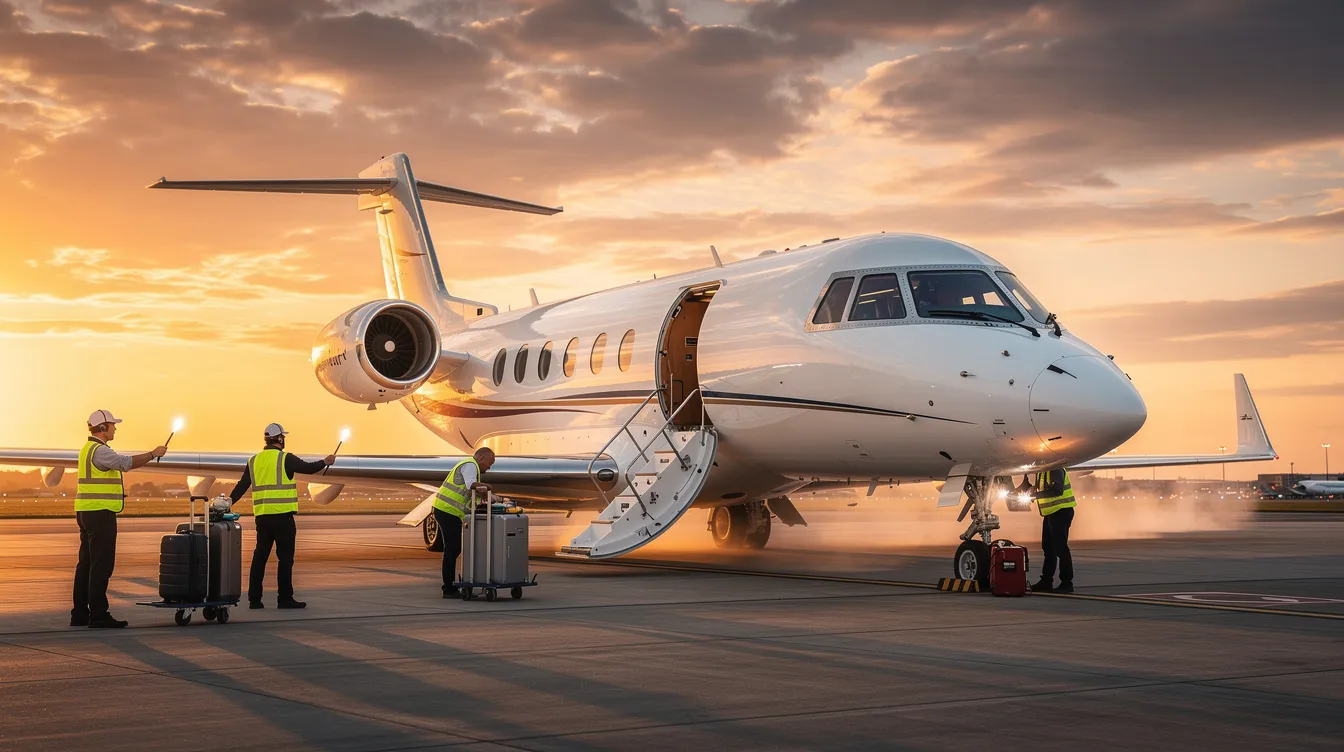
Highest Salaries in the Flight Attendant and Cabin Crew World
The highest salaries in the airline industry belong to a specific cohort: long-tenured crew on premium international routes and elite private aviation operators.
Top-tier commercial: Senior purser positions on flagship long-haul routes (think New York to Tokyo or San Francisco to Singapore) push total compensation to $110,000–$136,000+. The top 10 percent of flight attendants earn more than $136,430 annually.
Ultra-long-range private jets: Lead cabin crew on aircraft like the Gulfstream G650 or Bombardier Global 7500 for family offices or corporate flight departments can command packages of $150,000–$175,000+ when day rates, bonuses, and travel expenses are included.
Middle East carriers: Flag carriers in the Gulf region offer tax-free salaries with housing allowances, pushing effective compensation well above U.S. medians for equivalent seniority.
Key factors that drive the highest salaries: decades of seniority, international flying experience, foreign language proficiency, lead or purser qualification, and willingness to fly demanding schedules. These are not entry-level positions-they represent the culmination of years of recurrent training, safety expertise, and service refinement.
Factors That Influence Flight Attendant Compensation
Pay structures for flight attendants often involve seniority-based increases, but seniority is just one variable. Here's what else matters:
Airline type: Regional airlines pay significantly less than major airlines. A crew member at a regional carrier may earn $25–$30 per flight hour, while fellow flight attendants at legacy carriers earn double that at equivalent seniority.
Route mix: International routes generate more flight time, higher per diem, and often premium pay. Domestic-only crew earn measurably less.
Base city: Cost-of-living adjustments aren't standard, but base location affects real income. A flight attendant based in San Francisco faces different economics than one based in Dallas.
Union representation: Union contracts at most airlines set floors for pay rates, rest rules, hotel standards, and schedule protections. Airline policies at non-union carriers may offer competitive pay but fewer structural guarantees.
Private aviation variables: Cabin crew salaries in private aviation depend on operator reputation, aircraft size, and client relationships-compensation is individually negotiated rather than contract-defined.
How Flight Attendant Pay Compares to Other Careers
Flight attendants generally earn more than traditional service roles. Here's a quick comparison using median salary data:
Career | Median Annual Salary |
|---|
Flight Attendant | ~ $67,130 |
Sales Representative | ~ $81,000 |
Registered Nurse | ~ $86,000 |
Restaurant Server | ~ $33,000 |
Teacher Assistant | ~ $34,000 |
Hotel Front Desk | ~ $32,000 |
Beyond base salary, flight attendants receive travel perks (free or heavily discounted flights for themselves and eligible family), hotel accommodations on layovers, health insurance, and retirement benefits at most airlines. These non-cash benefits add thousands in annual value.
The lifestyle trade-offs are real: irregular hours, nights away from home, and physical demands. But in exchange, many flight attendants enjoy schedule flexibility (especially as lineholders), the ability to live anywhere near a base city, and access to travel that most careers simply can't match.
When evaluating whether flight attendants get paid well, the full compensation picture-salary, per diem, benefits, and travel perks-matters far more than the hourly rate in isolation.
How BlackJet Fits Into the Picture: Private Jet Access and Cabin Experience
BlackJet is a private aviation company offering Jet Card programs-including 25-hour and 50-hour cards-that provide prepaid private jet access across multiple cabin categories, with jet card pricing structures designed to make costs transparent and predictable. Every flight comes with 24/7 digital booking, rigorous safety certification, and carbon-neutral operations as standard.
While BlackJet does not publish a standardized flight attendant salary, its partner operators retain highly trained private jet cabin crew whose compensation reflects strict safety training, bespoke service capabilities, and the demands of executive and high-net-worth clients, many of whom still look for the cheapest private aircraft and budget-friendly options when optimizing their travel spend. Understanding that these crew members are well-compensated professionals-not entry-level hires-underscores why private jet access feels seamless and personalized.
Consider a scenario: a BlackJet Jet Card member flying from New York to London on a large-cabin jet suitable for 20 passengers. A dedicated cabin attendant manages custom catering, ensures privacy for in-flight work, and coordinates arrival logistics-all backed by BlackJet's safety-vetted operator network and carbon-neutral commitment. That level of service isn't a luxury add-on; it's the standard, delivered by cabin crew whose training and pay reflect the expectations of the near future of private travel.

FAQ: Do Flight Attendants Get Paid Well, and Other Common Questions
What is the average flight attendant salary in 2026?
The median salary sits around $67,130, with the average salary near $79,000. The gap reflects the broad pay scale from entry-level to senior crew. Labor statistics from the BLS place the median annual wage at $63,580 across all experience levels.
How much do new flight attendants earn in their first year? First-year attendants at major airlines typically earn $28,000–$35,000 annually, including per diem. New hires at regional airlines may start lower. The pay rate increases each year under most airline pay scales.
What is per diem, and does it really make a difference?
Per diem is an hourly allowance-usually $2.00–$3.00-paid for every hour away from base. Over a month, it adds $600–$1,200+ in largely non-taxed income. It makes a meaningful difference in monthly pay.
Can senior flight attendants earn over $100,000 a year?
Yes. Experienced flight attendants can earn upwards of $100,000 annually. At United Airlines, year-13+ crew earn approximately $100 per flight hour, and with a productive monthly schedule of 85+ credit hours, six-figure compensation is achievable.
Do private jet cabin crew earn more than airline flight attendants?
Often, yes. Private jet cabin crew often earn $500–$900+ per day on contract assignments, with elite roles reaching $1,000–$1,200/day. Annualized, that can surpass even the highest salaries at commercial carriers.
Do flight attendants get paid during boarding and delays?
At most airlines, flight pay is earned only when aircraft doors are closed. Boarding pay has been a major focus in recent contract negotiations, with some carriers now offering reduced-rate compensation for boarding time and operational disruptions.
What's the long-term career outlook for flight attendants?
Strong. The BLS projects roughly 8.8% job growth through 2035 in the airline industry, with thousands of annual openings. In the near future, demand for both commercial and private aviation crew is expected to remain robust. The next flight of your career may be closer than you think.
Conclusion: So, Do Flight Attendants Get Paid Well?
Flight attendants do get paid well-particularly once past the first few years-compared with many service-sector careers. The median salary exceeds $67,000, top earners clear $136,000, and the combination of per diem, hotel accommodations, health insurance, travel perks, and retirement benefits creates a total compensation package that pure salary figures understate.
Compensation includes base pay, per diem, and additional benefits that collectively position flight attendants above most comparable roles. Whether flying the flight deck of a 787 on international trips or managing a private jet cabin for a Fortune 500 executive, cabin crew compensation reflects the training, safety expertise, and service standards the role demands.
For frequent travelers and executives, understanding how much flight attendants earn-and why-illuminates the professionalism behind every flight. BlackJet partners with vetted operators and well-compensated cabin crew to deliver safe, carbon-neutral, and consistently elevated private jet experiences.
Elevate your travel-effortlessly. With BlackJet, private flight isn't reserved for a few; it's accessible on your terms through our Jet Card programs, complete with rigorous safety, carbon-neutral performance, and unmatched flexibility. Explore BlackJet's Jet Card options and discover how refined, meaningful travel becomes your new standard.


 Sign up with google
 Sign up with Apple