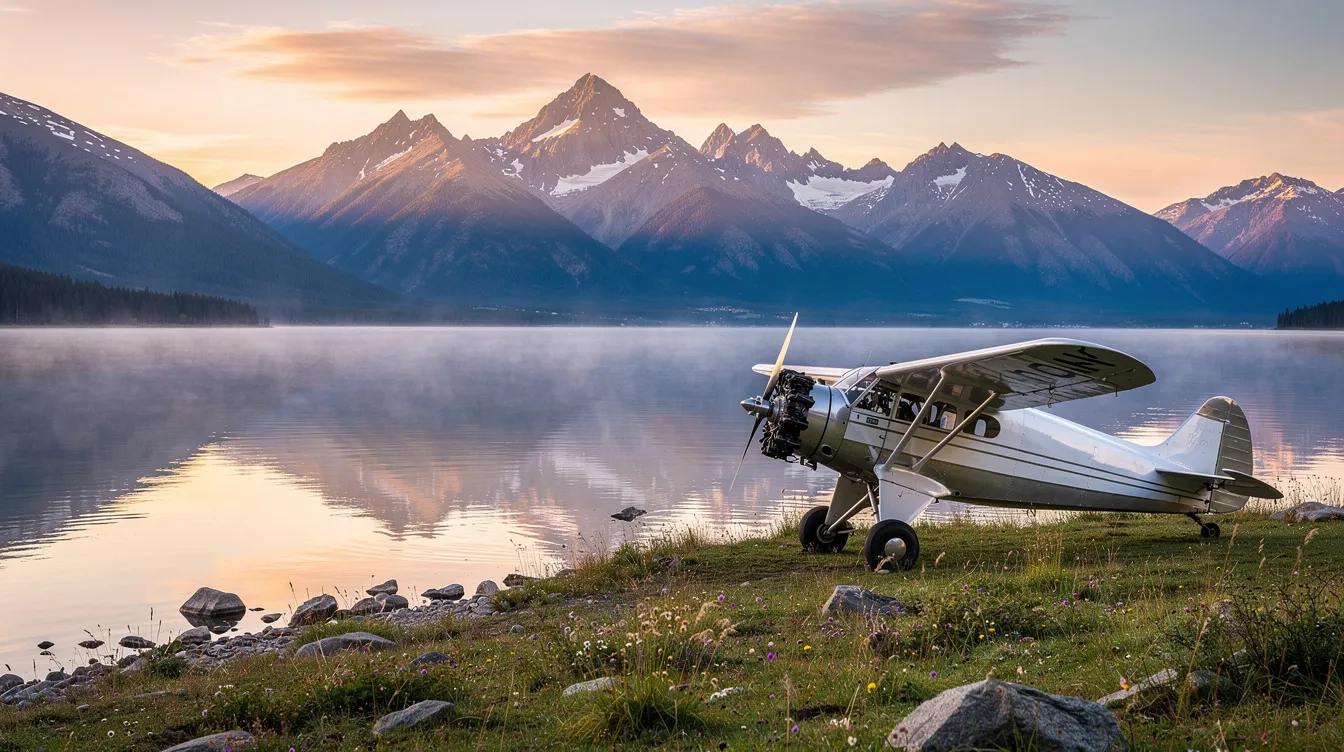
Private aviation is not only about luxury; for serious travelers, it is about access, time control, privacy, and operational advantage. This guide is for private pilots, prospective owners, and serious travelers considering the realities of bush plane ownership. Understanding the true costs is crucial for safe and effective backcountry flying, as it ensures you can maintain your aircraft to the highest standards and avoid compromising safety in demanding environments.
A bush plane is defined by its Short Takeoff and Landing (STOL) capabilities, used to access remote, unpaved airstrips. These aircraft open up remote lakes, gravel bars, ranch strips, lodges, and backcountry cabins that scheduled airlines and most business jets cannot reach.
But the cost of bush plane ownership is not defined by the airplane purchase alone. It is shaped by fuel, maintenance, insurance, annual inspections, storage, training, engine reserves, and the discipline to keep a rugged aircraft safe for demanding operations.
Quick Answer: How Much Does a Bush Plane Cost in 2026?
In 2026, the cost of bush plane ownership can start around $30,000 for used legacy models, but practical backcountry aircraft usually cost far more. Usable legacy certified bush planes, such as a Piper Pacerr, Stinson 108, or similar older tailwheel airplane, often fall between $40,000 and $90,000, while classic workhorse,s such as Cessnana 180/185, Maule, or well-equipped float/ski aircraft commonly run $150,000 to $400,000. Modern purpose-built STOL experimentals such as Kitfox or Zenith CH-701 builds often range from about $80,000 to $200,000+, depending on build quality, engine, avionics, and equipment.
At the high end, pricing for bush planes ranges widely from $30,000 for used legacy models to over $2.2 million for new turboprops. That range reflects a simple truth: a two-seat weekend plane and a turbine aircraft built to carry cargo into remote country are completely different financial commitments.
For a typical private pilot flying 100 hours per year, total annual ownership costs generally range between $10,000 and $30,000. A smaller single-engine aircraft might cost $8,000 to $12,000 per year for hangar space, fuel, insurance, and routine maintenance, while a more capable bush plane can easily run $18,000 to $30,000+ annually. Operating a bush plane carries an all-in cost ranging anywhere from $50 to over $350 per flight hour, depending on aircraft type, hours flown, terrain, and maintenance demands.
The initial purchase price is often only 30–40% of the long-term cost of aircraft ownership. Over a 10-year horizon, fuel costs, inspection costs, engine overhaul reserves, insurance, hangar storage, registration fees, taxes, and upgrades may dominate the total costs.
For travelers who only need backcountry access a few times per year, owning may not be the most efficient path. A Jet Card program, such as BlackJet’s premium private jet cards or other top jet cards for frequent flyers, can cover long-distance private aviation legs with predictable access, while a local bush operator handles the final remote segment.
Summary Table: Typical Bush Plane Ownership Costs (Annual Estimates)
Cost Category | Low Estimate | High Estimate | Notes |
|---|
Purchase Price | $30,000 | $2,200,000+ | Varies by model, condition, and upgrades |
Annual Fixed Costs | $5,000 | $15,000 | Insurance, hangar, registration, taxes |
Maintenance & Inspections | $2,000 | $10,000+ | Includes annual inspection and routine upkeep |
Engine Overhaul Reserves | $2,000 | $4,000 | Based on $20–$40 per flight hour |
Fuel Costs | $2,500 | $7,000+ | Depends on fuel burn and price per gallon |
Total Annual Ownership | $10,000 | $30,000+ | Typical range for 100 flight hours per year |
Cost per Flight Hour | $50 | $350+ | Varies by aircraft and usage |
Why Bush Plane Costs Matter for Serious Backcountry Flying
Bush planes are defined by their Short Takeoff and Landing (STOL) capabilities, used to access remote, unpaved airstrips. They make fishing lodges in Alaska, hunting camps in British Columbia, ranch strips in Idaho, and alpine lakes in Washington feel reachable on your schedule.
That freedom demands financial discipline. Your budget determines how far you can range from paved airports, how often you can fly, and whether you can afford safer landing gear, better tires, modern avionics, and an engine overhaul before reliability becomes a safety concern.
For example, a pilot who saves money by delaying bungee replacement, ignoring corrosion, or flying with outdated navigation equipment may reduce short-term expense but increase long-term risk. Backcountry aviation is unforgiving: soft ground, steep approaches, rocks, water, wind, and changing weather leave little margin for deferred maintenance.
For many high-net-worth travelers and executives, the smarter plan is a hybrid strategy. Use Jet Card membership with predictable pricing for longer city-to-city legs, then connect to a local backcountry aircraft near the destination. This avoids trying to make one small plane serve every mission, from a business flight to a wilderness landing.
Purchase Price: What You Actually Pay for a Bush Plane
The purchase price of a bush plane is set less by the model name and more by aircraft condition, engine health, damage history, total time, useful load, avionics, and backcountry modifications. A clean airframe with sensible upgrades may be worth far more than a newer-looking plane with corrosion, poor logs, or neglected maintenance.
A quick search across marketplaces such as Controller, Barnstormers, and Trade-A-Planee shows why comps matter. In the 2024–2026 market, a basic Piper Pacer PA-22/20 or Stinson 108 may appear in the $40,000–$90,000 range if usable, while a Cessna 170B or late-1950s to 1970s Cessna 180 can vary dramatically based on engine time, panel, floats, skis, and wheels. A restored 1958 Cessna 180 was listed at around $168,000, while well-equipped modern 182-class aircraft can sit above $300,000.
Modern experimental STOL aircraft are not automatically cheap. A Kitfox, Zenith CH-701, or similar versatile aircraft can range from $80,000 to $200,000+ once you account for the engine, avionics, build quality, and backcountry equipment.
Upgrades change the price quickly. Heavy-duty landing gear, 29–31 inch bushwheels, STOL kits, shoulder harnesses, skis, floats, and glass panels can add $20,000 to $80,000 on top of a basic airframe purchase price. Mandatory ads for equipment or a modern transponder upgrade may add thousands more to older aircraft.
Advertised prices may be 5–15% above actual selling prices. Tools such as vRef, AOPA valuation, owner forums, and recent sale comps can help, but recent transaction data is usually more useful than guidebooks alone. For official ownership requirements, the FAA aircraft registration page is also worth reviewing before closing.
Bargain bush planes under about $40,000 in 2026 often need expensive catch-up maintenance, avionics work, fabric repair, or engine attention. The initial purchase price of a small plane can vary significantly, with a good-quality used Cessna 150 obtainable for as little as $30,000, but a Cessna 150 is not the same tool as a true off-airport bush aircraft.
Pre-Purchase Inspection Steps:
Before any purchase, insist on a thorough pre-purchase inspection from a mechanic who understands tailwheel, fabric, corrosion, and STOL modifications. The inspection should include:
Reviewing logbooks
Checking damage history
Inspecting engine compressions
Examining the prop condition
Inspecting landing gear attach points
Verifying the aircraft can actually carry your intended cargo
If you finance the airplane purchase, remember that finance charges change the cost equation. When financing a small plane, interest rates can vary based on credit score, intended use of the aircraft, and condition, including year, make, and model. Many banks that provide aircraft financing often require higher down payments, typically up to 25%, and offer shorter loan terms ranging from 5 to 15 years for aircraft manufactured before 1970. At the same time, some owners compare this path with the cheapest private aircraft and alternative access models, and other affordable options for aspiring pilots to minimize long-term financial commitment.
If you pay cash, you avoid interest but still have an opportunity cost. Buyers should consider the money tied up in the aircraft instead of investing it elsewhere, such as in the stock market or real estate.
Fixed Ownership Costs: Insurance, Hangar, Registration Fees, and Taxes
Fixed costs apply whether you fly 10 or 200 hours a year, so annual fixed costs are central to a realistic bush plane budget.
Insurance is a major line item. Off-runway operations for tailwheel aircraft carry higher insurance costs, generally ranging from $1,500 to $5,000+ annually. For a $60,000–$250,000 hull, many owners see premiums around $1,200–$3,500 per year, but gravel bars, floats, skis, low tailwheel time, or commercial-style exposure can push premiums higher.
Insurance premiums for aircraft are influenced by factors such as the age of the aircraft, the number of flight hours, and the storage method, including tie-down vs. hangar. Pilots can reduce their aircraft insurance premiums by obtaining additional certifications or undergoing regular training. It is also advisable to use a broker to obtain quotes from multiple insurance carriers when insuring an aircraft, as rates can vary significantly based on intended use and pilot experience.
Storage varies by airport and region. Outdoor tie-down storage for small planes typically costs between $50 and $200 per month, making it the most economical option, though it exposes the aircraft to the elements. In many Western U.S. airports, a tie-down might cost $60–$150 per month, and these fixed ownership costs should be weighed against the broader private jet price landscape and access options and strategies to fly private more cheaply.
Enclosed hangar storage for small planes can range from $300 to $600 per month or more, especially in urban areas where space is limited. Individual hangars at smaller airports may run $250–$700 per month, with higher pricing near Seattle, Denver, or other busy metro areas. Storage expenses for small planes differ widely by location, with rural airports typically offering more affordable rates and greater availability compared to their urban counterparts.
Registration fees and taxes also matter. State sales and use taxes, along with registration fees, can increase the overall cost of purchasing a small plane, with the FAA requiring re-registration every three years for a $5 fee. A 4–8% sales or use tax on a $200,000 aircraft can add $8,000–$16,000 to the purchase.
Maintenance, Annual Inspections, and Engine Overhaul Reserves
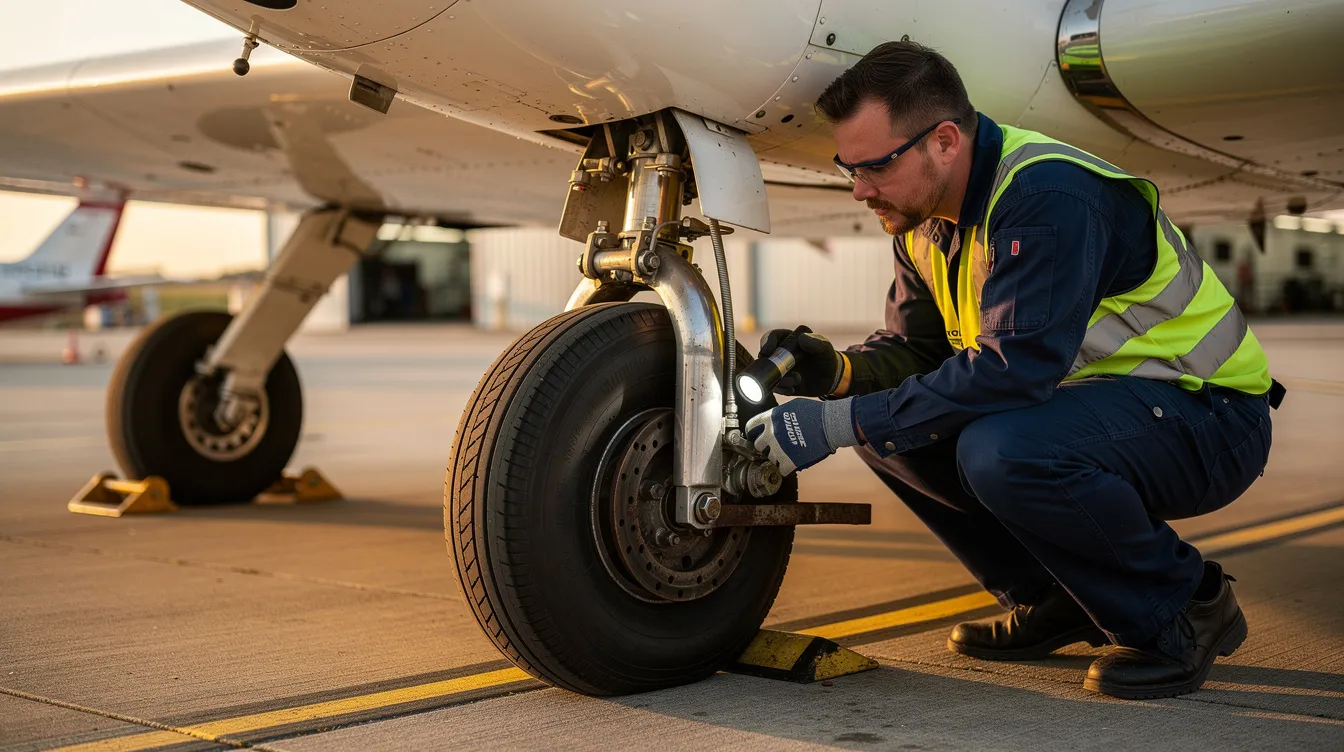
Inspection costs and unscheduled maintenance are where many new aircraft owners underestimate the expense of maintaining a bush plane, especially older airframes from the 1950s to 1970s.
Annual Inspection Costs
Annual inspections for small aircraft typically cost between $750 and $2,000, with specialized planes potentially incurring higher costs. Some maintenance shops offer fixed-rate inspections for light single-engine aircraft, which can range from $800 to $2,000, excluding additional repair costs. For common bush planes, a simple annual may run $1,200–$2,500, but that is only the inspection, not the repairs.
Deferred Maintenance
Deferred maintenance from the previous owner can surface during the first annual inspection, leading to additional costs. That first annual is often where buyers discover:
Routine Maintenance
Maintenance costs for small planes typically account for 10 to 45 percent of the total annual operating expenses, varying based on the aircraft’s type and class. Rough-field operations increase wear on tires, brakes, tailwheels, struts, floats, skis, and propellers.
Routine maintenance includes:
Oil changes may cost a few hundred dollars, depending on oil, filter, labor, and whether the owner can legally assist with preventive maintenance.
Engine Overhaul Reserves
Engine economics deserve special attention. Aircraft engines have a Time Between Overhaul (TBO) rating, usually between 1,800 and 2,000 hours, impacting operational budgeting. A typical Lycoming O-320 or O-360 engine overhaul in 2026 may cost $25,000–$45,000, while larger engines can cost more. To avoid a sudden engine overhaul bill of $30,000 to $60,000, operators often set aside $20 to $40 per flight hour into a dedicated engine reserve fund.
A practical reserve plan might include:
$20–$40 per flight hour for engine overhaul
Additional airframe reserves for propeller, tires, landing gear, and fabric
A first-year contingency fund for unknown aircraft condition issues
Extra money for avionics, ad,b compliance, or reliability upgrades
Hands-on owners can reduce expenses over time by learning what preventive maintenance is legally allowed and by staying involved with their mechanic. But backcountry flying is not the place to cut corners for the sake of saving a few hundred dollars, especially when affordable private jet and turboprop options and the best small private aircraft for varied missions might cover some missions more efficiently than stretching an aging bush plane beyond its limits.
Variable Operating Costs: Fuel Costs, Oil, and Wear with Hours Flown
Fuel Consumption
Fuel is usually the highest variable cost per hour, especially for higher-powered aircraft designed to lift heavy loads from short, soft ground. Bush planes burn 8 to 20 gallons of fuel per hour, depending on the engine and load.
A 150 hpPiper Pacerr might have a fuel burn of 8–9 gallons per hour. At Aviation Gasoline (100LL) prices of $5.00 to $7.50 per gallon, that means roughly $40–$67.50 per hour for fuel alone. A 230 hp Cessna 180 burning 12–14 gallons per hour can cost about $60–$105 per hour at those same prices.
Fuel prices are volatile. Aviation Gasoline (100LL) typically costs between $5.00 and $7.50 per gallon, influencing operational costs significantly, but in late May 2026, national averages reported by GlobalAir fuel price data were around $7.39 per gallon for avgas, with Alaska prices reported much higher in some locations. Owners should budget for worst-case fuel scenarios, such as remote Alaskan airports with fuel over $7.00 per gallon compared with $5.00 at larger Lower-48 airports.
Fuel costs are one of the most consistent ongoing expenses in aircraft ownership and may account for as much as 70 percent of variable operational costs. Most small single-engine planes burn between 5 and 10 gallons of fuel per hour, leading to fuel costs of approximately $25 to $50 for every hour flown at an average price of $5 per gallon. A private pilot who flies around 100 hours per year typically spends between $2,500 and $5,000 annually on fuel alone, and many bush plane owners spend more because their aircraft are larger and fly into more expensive locations.
Oil and Consumables
Oil matters too. A healthy engine may use 0.1–0.3 quarts per hour, and oil changes are driven by both hours flown and calendar time. Short flights, cold starts, and dusty backcountry operations can make oil discipline even more important.
More flying means more wear, but it can also improve proficiency and spread the fixed cost over more hours. The question is not only how many hours you fly, but what kind of ground you land on, what load you carry, and how hard the aircraft is worked — and whether some trips are better served by chartering a private jet for certain legs or even buying a single seat on a private jet instead of pushing a bush plane into longer or less efficient missions.
Mission Profile, Aircraft Choice, and Total Cost of Ownership
The right bush plane depends on the mission. Two-person camping in Idaho, heavy load hauling in Alaska, and short-hop lodge access from a paved airport all require different performance, useful load, range, and operating budgets. For some of those missions, it can be more efficient to rent a private jet for the main leg and reserve the bush plane strictly for the last miles into rough terrain.
Budget legacy aircraft, such as a Piper Pacer, Stinson 108, or Super Cub variant,t may offer lower entry cost, modest fuel burn, and simpler maintenance. The trade-off is often useful, including load, speed, cabin space, and the ability to carry serious cargo. A mid-market workhorse, such as aCessnaa 180/185 or Maule, costs more to buy and maintain, but can carry more people and equipment into tougher strips, so many owners compare these airplanes with budget-friendly private aircraft options, the best options for the cheapest plane, and the cheapest private jet choices for longer legs before committing capital.
Modern experimental STOL aircraft can provide excellent short-field performance and lower parts costs, but quality assurance depends heavily on build quality, documentation, and the specific engine installation. Some are outstanding. Others are difficult to insure, maintain, or sell if workmanship is questionable.
Over 10 years, a light legacy aircraft flown 50 hours per year might cost $120,000–$180,000 in operating expenses plus purchase price. A fully equipped Cessna 180 with floats, modern avionics, and 200 hours per year in remote country can push total costs to $600,000–$900,000+ over a decade. Comparing these ownership figures with comprehensive jet card pricing structures and a detailed 100 hour jet card cost guide helps clarify when flying privately via membership may be a better financial fit for your overall travel pattern.
A cheaper plane is not always cheaper to own. An underpowered or marginally maintained airplane may be less forgiving in short-field operations and can increase the risk of prop strikes, landing gear damage, and expensive downtime.
Resale value depends on total time, damage history, logs, corrosion status, engine time, avionics, and quality modifications. Some classic aircraft hold value well over decades if maintained intelligently. Others depreciate quickly after poor repairs, water damage, or hard off-airport use.
Build a 5- to 10-year plan that includes:
Purchase price and taxes
Registration fees
Annual inspections
Fuel costs and oil
Insurance and hangar storage
Engine overhaul reserves
Planned avionics and safety upgrades
Training and recurrent instruction
Contingency money for unexpected maintenance
That model gives a clearer answer than asking only, “What is the price of the plane?”
Alternative to Ownership: When Jet Cards and On-Demand Private Aviation Make More Sense
Many travelers interested in a bush plane also need reliable, comfortable transport between major cities, second homes, regional hubs, and international destinations. Owning one small airplane may not be the optimal solution for all travel needs.
For example, a client might fly from Los Angeles to Anchorage, Seattle to Jackson Hole, or New York to Bozeman using BlackJet Jet Card access, whether through a 50 hour jet card pricing model or a larger program, then connect with a local bush operator for the final lodge or backcountry leg. That structure keeps the rugged last-mile mission separate from the long-range travel mission.
Jet Cards, including programs such as NetJets jet cards and their cost structure, offer advantages that aircraft ownership cannot always match:
Predictable hourly access
No inspection costs or annual inspections
No engine overhaul risk
No hangar, tie down, or storage burden
No need to manage an insurance company relationship
Aircraft categories matched to each trip
24/7 digital booking and real-time flight support
BlackJet also brings a private aviation framework built around safety certification standards, carbon-neutral flights, and technology-enabled access. BlackJet ensures every journey is carbon neutral at no extra cost to you, while its digital booking tools and real-time support create a different level of convenience than self-managing an older tailwheel aircraft, similar to what many of the top private jet companies for luxury travel emphasize across their fleets.
There is also a sustainability issue. The FAA’s work on the transition to unleaded aviation gasoline may affect fuel availability and pricing for older piston aircraft over time. For travelers who want premium access without personally managing those variables, a Jet Card can simplify the travel portfolio.
A practical hybrid model might look like this: maintain a part-time or fractional interest in a bush plane near a lodge, then use BlackJet’s 25+ Hour Jet Card for business, family, and long-distance travel. This optimizes aircraft ownership costs without giving up remote access.
Frequently Asked Questions About Bush Plane Costs
The cost of bush plane ownership depends on the aircraft, pilot, mission, and maintenance culture. These answers give practical ranges for planning.
What is the cheapest realistic budget for a safe bush plane in 2026?
A safe, usable legacy bush plane can sometimes be found around $40,000–$90,000, although used legacy models may start near $30,000. Below about $40,000, expect limitations in performance, useful load, avionics, or aircraft condition unless you are buying a project with a clear maintenance plan.
How many hours per year do I need to fly before ownership beats renting or chartering?
Ownership begins to make more sense when you fly 75–150 hours per year and need regular access to remote strips. If you only take a few backcountry trips annually, hiring a local operator or chartering a private jet for the main legs with BlackJet private jet access may be more efficient.
How do annual inspections and engine overhaul timelines affect my budget?
Annual inspections are required regardless of hours flown and often cost $750–$2,000 for small aircraft before repairs. Engine TBO is usually 1,800–2,000 hours, so owners should reserve $20–$40 per hour to avoid a surprise $30,000–$60,000 overhaul bill.
What surprise expenses do new bush plane owners typically miss?
New owners often miss deferred maintenance, landing gear repairs, fabric issues, avionics failures, worn tires, corrosion, and higher insurance premiums for gravel bar or off-airport use. A thorough pre-purchase inspection and a first-year maintenance reserve are essential.
How does owning a bush plane compare with using a private jet card or charter for remote trips?
Owning is best for pilots who fly often, value control, and have access to mechanics, hangar space, and training. A private jet card or charter is often better for travelers who want comfort, reliability, safety oversight, and no maintenance burden for longer legs, while using a local bush aircraft for final access.
When a Bush Plane Is Worth It - and When to Choose Premium Access Instead
A bush plane is rarely justified by financial return alone. Its value lies in freedom: the ability to reach wild places, move on your own schedule, and experience aviation in its most practical form.
Ownership makes sense when a pilot flies 75–150 hours per year, has a clear backcountry mission, can access skilled mechanics, has suitable hangar space, and can afford fuel costs, inspection costs, training, insurance, and engine overhaul reserves without compromising safety.
For occasional adventurers, the better answer may be renting, hiring a bush operator, or using BlackFor occasional adventurers, the better answer may be renting, hiring a bush operator, or using BlackJet’s Jet Card programs to access private jets for the long-haul segments. This approach provides flexibility without the financial and operational commitments of ownership, while still enabling seamless travel to remote destinations through local partnerships.
Conclusion: Strategic Ownership and Access for the Discerning Traveler
Owning a bush plane offers unparalleled freedom to explore remote locations on your schedule, but it requires a disciplined approach to budgeting, maintenance, and safety. The total cost of ownership extends well beyond the purchase price, encompassing fuel, insurance, storage, inspections, and engine reserves. For high-net-worth individuals and serious backcountry pilots, these investments translate into reliable, capable aircraft ready for demanding environments.
However, for many travelers, combining BlackJet’s premium Jet Card access with local bush operators creates an optimal balance of convenience, safety, and cost-efficiency. This hybrid model leverages the strengths of private jet technology and certification for city-to-city travel, while preserving the rugged capabilities of bush planes for last-mile access.
Elevate your travel strategy by choosing the right mix of ownership and premium access. Whether you own a bush plane or rely on BlackJet’s Jet Card program, you gain control, safety, and seamless connectivity to the world’s most remote destinations—effortlessly and sustainably.


 Sign up with google
 Sign up with Apple