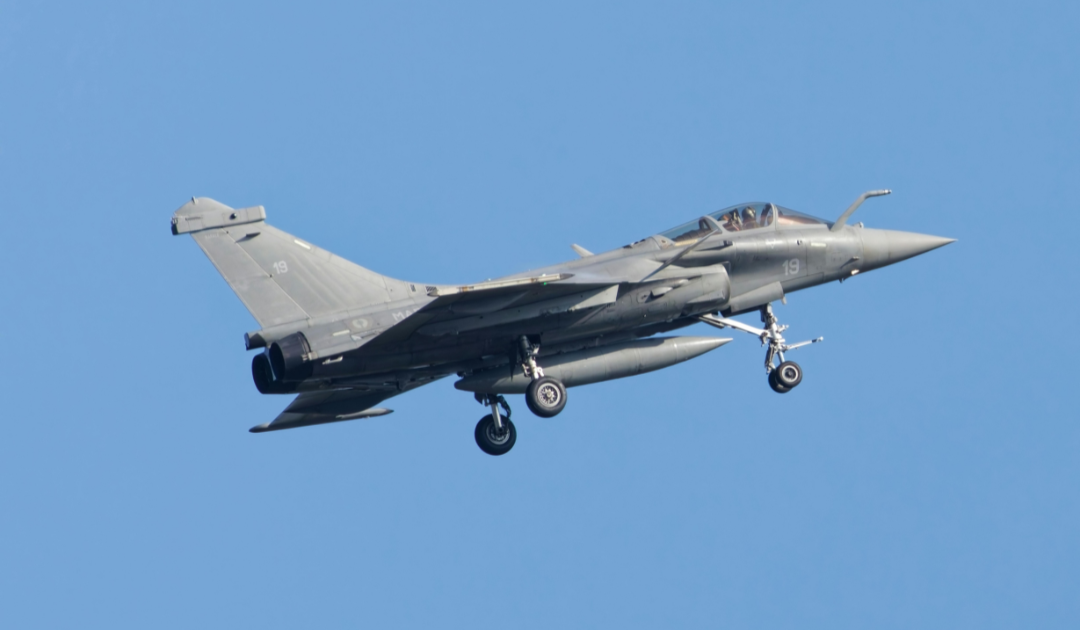
The phrase “cheapest military jets” is deceptive. Even the most affordable demilitarized jet warbirds on the civilian market command six-figure purchase prices, and the true cost of ownership—fuel, maintenance, insurance, overhauls—quickly escalates into tens of thousands of dollars per year before you log a single flight hour. For aviation enthusiasts drawn to the romance of Cold War-era trainers and fighter jets, the financial reality is sobering, especially when more practical, budget-friendly private aircraft options are available.
This guide is for aviation enthusiasts, prospective warbird owners, and anyone curious about the real costs of owning a military jet in 2026. Understanding the true costs helps buyers avoid unexpected financial pitfalls and make informed decisions.
Affordable military jets typically fall into the category of Light Combat Aircraft (LCA) or advanced trainers with combat capabilities, even though many travelers comparing options will also look at the cheapest private jet choices for personal travel.
This article examines specific demilitarized aircraft that civilians can actually buy and fly in 2026, with realistic price bands and operating costs drawn from current market data. We’re not discussing theoretical acquisitions or classified military technology—these are real jets changing civilian hands through online marketplaces like Controller.com and Trade-A-Plane.
From BlackJet’s perspective as a professional private aviation provider, we see warbird ownership as a passion project, not a practical travel solution. Our Jet Card members access modern business jets—pressurized cabins, Wi-Fi, carbon-neutral operations—for predictable hourly rates without the regulatory burden of experimental aircraft ownership.
What does “cheapest” really mean in this niche?
Purchase price: $70,000–$2 million+, depending on type and condition
Operating cost: $1,500–$7,000+ per flight hour
Hidden expenses: engine overhauls ($100,000–$500,000), insurance ($20,000–$100,000/year), hangar fees ($10,000–$30,000/year)
Regulatory requirements: FAA Experimental/Exhibition certification, security verification, and demilitarization compliance
Introduction to Military Aircraft Ownership
Owning a military aircraft is a dream that blends the thrill of aviation with the legacy of military history. For many, the allure of piloting a jet fighter once flown by the air force or royal air force is irresistible—whether for the adrenaline rush of air-to-air combat maneuvers, the nostalgia of close air support missions, or simply the prestige of owning a piece of aviation heritage, even if a more rational purchase would be the cheapest practical planes for everyday flying. Military aircraft come in many forms, from nimble training aircraft designed to hone pilot proficiency to formidable ground attack jets that once dominated the skies in combat.
However, the path to military aircraft ownership is paved with important considerations. Security verification is paramount: every jet must be thoroughly demilitarized, with all weapons systems and sensitive avionics removed, and must comply with strict regulations before it can legally change hands. This process ensures that only safe, compliant aircraft enter the civilian market and that buyers are protected from legal and security risks.
The rise of online marketplaces like Trade-A-Plane has made it easier than ever to browse and purchase military aircraft from around the world. Yet, this convenience comes with new challenges—malicious bots and online scams can target unwary buyers, making due diligence and secure transactions essential. Prospective owners must also be prepared for the rigorous demands of flying and maintaining these complex machines, as pilot proficiency requirements are often much higher than for civilian aircraft and far exceed what’s needed to operate small private aircraft for regular travel needs.
Ultimately, owning a warbird is about more than just the aircraft itself—it’s about embracing a unique lifestyle that honors the history, technology, and spirit of military aviation, very different from simply buying a seat on a private jet for point-to-point travel. Whether you’re drawn to the cockpit of a classic jet or the legacy of a legendary fighter, understanding the responsibilities and realities of ownership is the first step toward making your dream a reality.
How Civilians Can Own Military Jets in 2026
In the United States, the FAA’s Experimental Exhibition category under 14 CFR Part 21.191(g) governs most civilian warbird operations. This framework permits public display, air racing, and limited passenger flights—but prohibits commercial passenger service. Other nations have similar regimes: EASA’s Permit to Fly in Europe, TCCA in Canada, and CASA in Australia each maintain exhibition categories with comparable restrictions. Military jets are available to civilian owners in countries around the world, reflecting their global distribution and international appeal.
Civilians can legally own military jets in the United States, provided that all weapons systems are permanently demilitarized before registration with the FAA.
Demilitarization is mandatory before any military aircraft enters private hands. This process involves certified removal of weapons systems, weapons pylons, fire-control radars, IFF systems, and classified avionics. The security service process often requires U.S. State Department or ITAR export approvals for aircraft sourced abroad—verification of successful completion can take months. Many affordable fighters are based on trainer platforms, which simplifies the airframe and helps avoid the costs of high-performance stealth fighters.
The 2026 market spectrum ranges dramatically, and many prospective buyers cross-shop these warbirds against 2-million-dollar private jet options:
Eastern Bloc trainers (L-29, L-39): $70,000–$500,000
Western Cold War trainers (T-33, Jet Provost): $150,000–$900,000
High-end fighters (F-5, Hunter): $500,000–$2 million+
Joint ventures in aircraft development allow nations to share costs and leverage established supply chains, further contributing to the affordability of military jets, much as collaborative programs underpin today’s best long-range private jets for global travel. Countries like India and China reduce costs by manufacturing components locally, minimizing reliance on expensive foreign imports, much as modern manufacturers do when designing the cheapest private aircraft options for civilians.
This contrasts sharply with BlackJet’s premium private jet card model, where members access modern business jets without ownership burdens, regulatory compliance, or capital risk.
Types of Military Aircraft
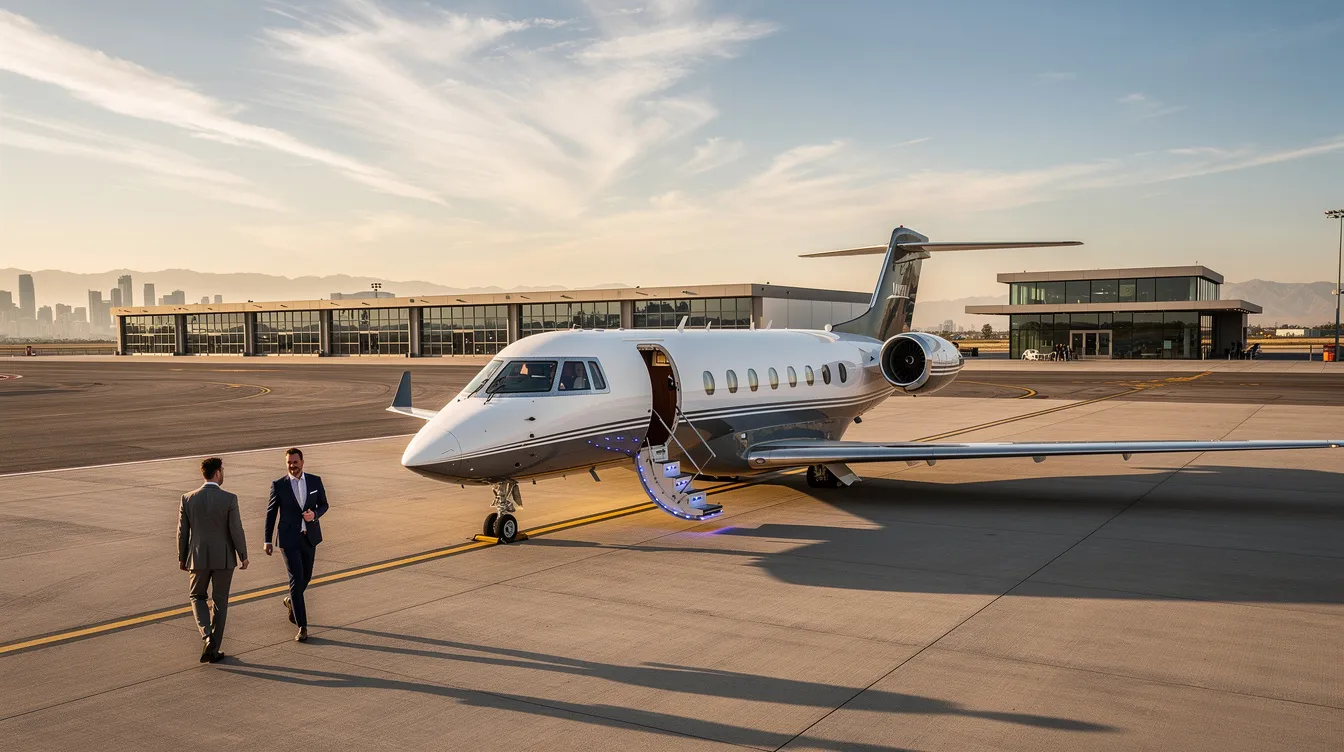
The world of military aircraft ownership is as diverse as it is fascinating, offering everything from sleek jet fighters to versatile training aircraft and legendary bombers. For civilian pilots, the Aero L-39 Albatros stands out as a popular entry point—this jet fighter combines affordability, robust ground attack capabilities, and a reputation for reliability, making it a favorite among those seeking their first taste of military aviation. Training aircraft like the T-6 Texan offer a different appeal, providing a gentler learning curve and a direct link to the foundational skills taught to generations of military pilots.
For those seeking more specialized roles, the Douglas A-4 Skyhawk is renowned for its ground attack prowess, while the Mikoyan-Gurevich MiG-21 brings the excitement of supersonic flight and a storied military history. Collectors and history buffs may gravitate toward aircraft like the North American B-25 Mitchell, a World War II-era medium bomber that offers both historical significance and impressive payload capacity.
When evaluating which military aircraft to pursue, buyers should consider factors such as top speed, payload capacity, and whether the aircraft features dual cockpits for training or shared flying experiences. The aircraft’s operational service record, maintenance history, and the availability of security service or verification are also critical to ensuring a safe and legal purchase. With tens of thousands of military aircraft having served in air forces around the world, and prices ranging from several hundred thousand to several million dollars, there is a wide spectrum of options to fit different budgets and ambitions, just as there is a broad market for private jets for sale under 10 million dollars. Whether you’re seeking the raw speed of a jet, the versatility of a trainer, or the historical gravitas of a bomber, the market offers a military aircraft for nearly every enthusiast, while those prioritizing practicality may gravitate toward the best, cheapest planes for general aviation.
Top 10 Cheapest Military Jets You Can Actually Buy
The following list focuses on jets that are actually attainable for civilian pilots in 2026—aircraft with reasonable parts support, active owner communities, and verified airworthiness. Prices reflect typical asking ranges for airworthy examples, not project aircraft requiring ground-up restoration.
Each entry includes purchase cost ranges, operating cost estimates, and honest assessments of the pros and cons for private ownership, similar to broader guides on the cheapest new planes for budget-conscious pilots. We’ve prioritized types that have transitioned successfully into civilian hands over the past decade.
Aero L-29 Delfin – Often the Cheapest Jet Warbird (from around $70,000–$120,000)
The Aero L-29 Delfin represents the entry point for flyable jet ownership. Developed by Aero Vodochody in Czechoslovakia, the L-29 entered service in 1963 as the primary training aircraft for Warsaw Pact air forces. With over 3,500 units rolling off the assembly line through 1972, surplus examples remain plentiful.
A key factor in the L-29's affordability is its simplicity in design, which leads to lower costs by featuring less complex radar, engines, and materials compared to more advanced jets. In 2026, airworthy L-29s trade between $80,000 and $130,000 on platforms like Controller.com. Operating costs run approximately $1,200–$1,800 per hour, including Jet A fuel consumption of 120–150 gallons per hour and basic maintenance. Engine overhauls every 1,500–2,000 hours cost $80,000–$120,000 through specialists like Silverhawk Aviation.
The L-29 offers forgiving high-alpha handling with a stall speed of just 85 knots clean—ideal for pilots transitioning from piston aircraft. Its payload capacity, while modest, is sufficient for carrying training equipment or light ordnance, reflecting its primary role as a trainer and its operational utility. The L-29 Owners Group provides type-specific parts sourced from Czech repositories, though corrosion-prone aluminum airframes demand $20,000–$50,000 in annual inspections.
Who this jet suits
Pilots with 500+ piston hours seeking their first flight in a jet
Budget-conscious enthusiasts prioritizing seat time over top speed
Owners willing to accept limited avionics and noise levels exceeding 105 dB
Aero L-39 Albatros – Popular, Accessible, and Still (Relatively) Affordable
The L-39 Albatros is the world’s most widely operated jet trainer, with over 3,500 built since its first flight in 1968. Exported to more than 30 nations and developed by Aero Vodochody, the L-39 remains the gold standard for civilian jet transitions.
Airworthy 2026 prices range from $250,000 to $500,000, with low-time engines and Garmin G3X avionics suites commanding premiums. Recent Trade-A-Plane listings show a 1979 model at $425,000. Hourly operations run $2,200–$3,500, factoring 200–250 gallons per hour fuel consumption and $100–$150 per hour maintenance reserves.
The L-39 Hybrid Association offers structured training programs at facilities like Spartan College, where transition training costs $25,000–$40,000 for 25–40 hours. Dual cockpits enable instruction, and the jet’s 9g aerobatic certification appeals to warbird pilots seeking serious performance.
Compared to chartering a BlackJet Citation CJ3+ at $4,500 per hour for a New York–Miami segment, the L-39 delivers raw adrenaline but lacks pressurization above 10,000 feet and burns fuel inefficiently for practical transport—a California owner logged 100 hours in 2025 at $280,000 total cost.
Canadair CT-114 Tutor & CL-41G Tebuan – Canadian Trainers with Reasonable Price Tags
The CT-114 Tutor entered Royal Canadian Air Force service in 1963, with 210 built. The aircraft gained fame as the mount for the Snowbirds aerobatic team. The CL-41G Tebuan, an export variant developed for Malaysia’s air force, added tandem seating and light ground attack capabilities.
Civilian prices in 2026 hover between $200,000 and $400,000 for Tutors, with Tebuans historically advertised around $150,000–$300,000. Operating costs reach $2,000–$3,000 per hour, driven by twin J69 turbojets consuming 180 gallons per hour.
Key characteristics
Side-by-side seating (Tutor) or tandem (Tebuan)
Maximum speed of 410 knots
Distinctive heritage for formation flying and display
The small global fleet—under 20 airworthy examples—creates parts scarcity and requires specialized support from organizations like Canadian Warplane Heritage. Cross-border operations between Canada and the U.S. demand dual TCCA/FAA compliance.
BAC Jet Provost & Strikemaster – British Trainers Turned Light Attack Jets
The BAC Jet Provost served as the Royal Air Force’s standard jet trainer from the late 1950s, with 384 built through 1967. The Strikemaster, its armed derivative, added four underwing hardpoints for close air support and reconnaissance missions, with 146 produced through 1973.
Current market prices show Jet Provosts trading between $100,000 and $250,000, while fully restored Strikemasters command $150,000–$350,000, putting them well above many cheap light aircraft for budget flying adventures. Both types use Rolls-Royce Viper turbojets producing 2,500–3,410 pounds of thrust, achieving top speeds around 480 knots.
Operating costs range from $1,500 to $2,500 per hour, with UK-sourced parts from Hunting Engineering supporting the fleet, compared with the far lower hourly demands of the cheapest single-engine planes for new pilots. Early models may contain asbestos, requiring $30,000 abatement procedures.
Buyer guidance
Jet Provost: Basic trainer handling, lower acquisition cost
Strikemaster: Light attack aesthetics, ground attack capabilities history, and higher maintenance complexity
Lockheed T-33 “T-Bird” – Classic Cold War Jet Trainer
The T-33 Shooting Star represents aviation military history—derived from the P-80, America’s first operational jet fighter, the T-33 served as the primary jet trainer for NATO allies during the Korean War era. Over 5,500 were built from 1948 to 1959.
Airworthy 2026 prices range from $350,000 to $850,000, with condition and avionics upgrades heavily influencing value. A 2025 auction saw one example sell for $620,000. The Allison J33 turbojet produces 5,400 pounds of thrust, delivering a cruise speed of 465 knots and a 1,200 nautical mile range.
Operating costs reach $2,500–$4,000 per hour due to 300-gallon-per-hour fuel consumption and engine overhauls costing $200,000–$400,000. Parts sourced through providers like Combs Gates face growing scarcity.
Pros: Iconic silhouette, strong historical significance, capable cross-country platform
Cons: Aging airframe with fatigue limits, turbojet inefficiency, specialized maintenance requirements
Hawker Hunter – Classic 1950s RAF Fighter on a Mid-Range Budget
The Hawker Hunter entered Royal Air Force active service in 1954 as a transonic fighter, with 1,970 built and exported to dozens of other nations. Later variants served in training aircraft and ground attack roles through the Vietnam War era.
Privately owned Hunters command $600,000 to $1.8 million dollars in 2026, with two-seat and low-time examples at the premium end. The Rolls-Royce Avon engine produces over 10,000 pounds of thrust, enabling speeds approaching Mach 0.94.
Operating costs reach $4,000–$6,000 per hour—owners should budget $300,000+ annually for meaningful flight time. Swiss and Dutch parts pipelines provide support, but the Hunter demands a serious financial commitment compared with even the top 10 best private jets in the world, which are designed around efficiency and comfort rather than historic pedigree.
The Hunter represents a “next step up” from trainers like the L-39 in both capability and cost, suited for highly experienced, well-funded owners seeking transonic heritage aircraft and often cross-shopping them with premium private jets for sale in the UK and Europe.
Northrop F-5 – Relatively “Affordable” Supersonic Fighter
The Northrop F-5 Freedom Fighter entered military service in the early 1960s as a lightweight supersonic fighter, with over 2,200 built. The type saw combat during the Vietnam War and continues operational service with several air forces and defense contractors as aggressor aircraft for air-to-air combat training.
For comparison, the MiG-21 is the most-produced supersonic aircraft in history, with airworthy examples available for civilians at prices ranging from $300,000 to $800,000. The Douglas A-4 Skyhawk, a light attack aircraft historically used as the backbone of Marine Corps and naval attack squadrons for amphibious and carrier operations, can be purchased for between $500,000 and $1.5 million for airworthy models. The JF-17 Thunder is widely considered the most affordable new-production supersonic fighter, with an estimated unit cost starting between $25 million and $30 million. Light attack aircraft can offer per-hour operating costs of roughly $2,000, which is significantly lower than those of advanced fighters, and their minimal maintenance requirements make these aircraft the entry point for smaller air forces.
Demilitarized civilian F-5s trade between $800,000 and $2 million dollars, depending on configuration and remaining airframe life, a stark contrast to the far lower entry points discussed in many cheapest new plane buyer guides or modern cheapest single-pilot jet options. Swiss surplus examples from 2024 are listed at $1.2 million. Twin J85-GE-21 engines produce 5,000 pounds of thrust each, enabling speeds exceeding Mach 1.6.
Operating costs reach $4,500–$7,000+ per flight hour, with insurance premiums exceeding $80,000 annually for high-performance jets, a financial profile that sometimes leads buyers to consider purchasing private jets using cryptocurrency to streamline high-value transactions. Pilot proficiency requirements include USAF-type ratings and extensive high-performance training—typically 500–1,000 hours of transition training.
While “cheaper” than contemporary fighter jets still in military service—which cost several million dollars and remain unavailable to civilians—the F-5 demands resources comparable to fractional jet ownership or a 50-hour jet card program and aligns with the upper end of jet card cost per hour for high-performance aircraft without any of the practical transport utility.
Aero L-39 vs. Dassault Alpha Jet vs. Hawker Hunter – Comparative Value
For prospective warbird owners weighing options, these three aircraft represent distinct price and capability tiers:
Aero L-39 Albatros
Purchase: $250,000–$500,000
Operating: $2,200–$3,500/hour
Niche: Subsonic trainer, lowest barrier to entry
Support: Strong Czech/Polish parts channels, active owner community
Dassault Alpha Jet
Purchase: $600,000–$1.4 million
Operating: $3,000–$5,000/hour
Niche: Twin-engine trainer/light attack, French/German army heritage
Support: Robust European parts availability, engine redundancy
Hawker Hunter
Purchase: $600,000–$1.8 million
Operating: $4,000–$6,000/hour
Niche: Transonic fighter heritage, prestige platform
Support: Specialized maintenance required, higher complexity
The L-39 offers maximum seat time for minimum investment. The Alpha Jet adds complexity and redundancy for pilots seeking twin-engine reliability. The Hunter delivers fighter jet heritage at premium cost—suitable only for well-capitalized enthusiasts, whereas civilians focused purely on transportation often prioritize fixed-rate jet card solutions like the BlackJet 25+ Hour program or other 25-hour jet card options instead.
Hidden Costs: Why the “Cheapest” Military Jets Aren’t Cheap to Own
Purchase price represents perhaps 20–30% of lifetime ownership cost for most military jets. The real budget burden lies in ongoing operations that many first-time warbird owners dramatically underestimate.
Major expense categories
Fuel: $800–$3,000 per flight hour (40–60% of hourly cost)
Maintenance: $500–$2,000 per hour in reserves
Engine overhauls: $100,000–$500,000 every 1,000–3,000 hours
Insurance: $20,000–$100,000 annually based on hull value, often comparable to premiums on private jets for sale under 10 million dollars
Hangar: $10,000–$30,000 annually
Pilot training: $20,000–$50,000 for type rating
Regulatory compliance: $10,000+ annually for FAA Form 8310 and inspections
According to EAA data, warbird owners experience 70–80% downtime due to maintenance, inspections, and parts delays. A Texas owner’s 2024 L-29 restoration required a $90,000 investment and six to twelve months grounded during overhaul.
Contrast this with BlackJet’s Jet Card model: members access modern business jets with 99% availability, no capital investment, and transparent, all-inclusive jet card pricing, comparable to leading offerings such as NetJets jet card cost structures. For executives flying 100+ hours annually, 100-hour jet card programs typically save 20–30% versus ownership while eliminating operational headaches entirely, especially when you understand the broader private jet price list and access models available on the market.
Costs warbird owners underestimate
Unscheduled maintenance due to vibration-induced avionics failures
Specialized shop rates for vintage military systems
Drop tanks, spare parts, and replacement components at premium prices
Insurance premiums increase after incidents or claims
Owning a Military Jet vs. Using a Private Jet Card
Military jets serve as passion projects and historical artifacts—they carry tremendous weight for aviation enthusiasts who value the skies, heritage, and the visceral experience of flying Cold War-era machines, even though many could meet their travel needs with the best jet card solutions for frequent flyers or top affordable private planes. But they are fundamentally different from business aircraft designed for efficient transport.
Practical comparison
Factor | Ex-Military Jet | Modern Business Jet (BlackJet) |
|---|
Acquisition Cost | $70,000–$2 million+ | None (Jet Card access) |
Operating Cost per Hour | $1,500–$7,000+ | $4,000–$5,000 (all-inclusive) |
Maintenance Downtime | 70–80% due to inspections and repairs | 1–2% with 24/7 support |
Regulatory Burden | FAA Experimental, demilitarization, ITAR | None for members |
Safety & Certification | Vintage airframes, limited tech | Proprietary certification, latest tech |
Sustainability | None or minimal | Carbon-neutral flights included |
Practical Use | Hobby, historical flight | Business travel, luxury transport |
For larger groups, modern business aviation also supports private jets for up to 50 passengers, something ex-military jets are not configured to provide.
Conclusion: Is Owning a Warbird Worth It in 2026?
Owning a military aircraft in 2026 is more accessible than ever, thanks to the availability of cheaper aircraft like the L-39 Albatros and the growth of online marketplaces connecting buyers with unique warbirds from around the world. For those passionate about military technology and aviation history, the opportunity to fly a piece of the past is both thrilling and deeply rewarding. The experience of piloting a warbird offers a direct connection to the skies once dominated by legendary air forces, and a chance to preserve and celebrate the innovations that shaped modern flight.
However, the reality of ownership comes with significant responsibilities. The costs of acquisition, maintenance, and operation can quickly add up, and the demands of keeping a military aircraft airworthy require both financial commitment and technical expertise. While the market for military aircraft remains strong—fueled by airshows, reenactments, and a growing community of enthusiasts—prospective owners must weigh the excitement of ownership against the practical challenges.
For those who seek the thrill of military aviation without the complexities of ownership, BlackJet offers a premier alternative. Through BlackJet’s website, members gain effortless access to a fleet of modern, certified business jets—combining safety, sustainability, and luxury—without the regulatory burden or upkeep costs of owning a warbird. This seamless private jet access redefines convenience for discerning travelers who value flexibility and carbon-neutral flights.
For many, the rewards far outweigh the hurdles. Whether you’re drawn to the iconic lines of the L-39, the historical significance of a World War II bomber, or the cutting-edge technology of a jet fighter, owning a warbird is a unique adventure that offers a window into the world of military aviation. As interest in these remarkable machines continues to grow, the skies remain open for those ready to embrace the legacy, technology, and sheer exhilaration of military aircraft ownership—while BlackJet stands ready to elevate your travel experience with effortless, premier private jet access.


 Sign up with google
 Sign up with Apple