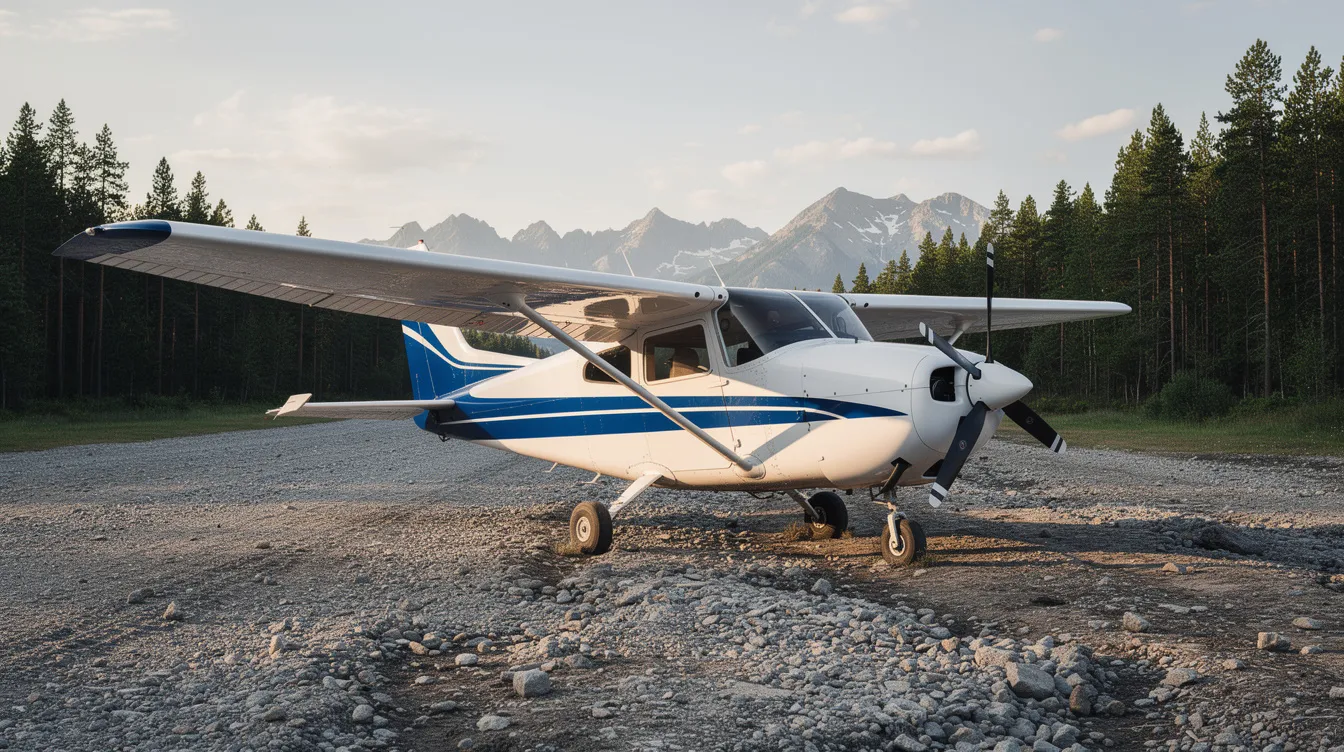
The Cessna U206F represents a fascinating chapter in general aviation aircraft history—a rugged workhorse that continues to serve demanding missions decades after rolling off the production line. For travelers who navigate between metropolitan hubs and remote destinations, understanding where this utility legend fits alongside modern private jet access reveals strategic insights for optimizing every journey.
Key Takeaways
The Cessna U206F is a fixed landing gear, single-engine utility aircraft from the Cessna 206 family, celebrated for exceptional payload capacity and short-field performance that rivals a sport utility vehicle in versatility.
Typical roles span commercial air service, skydiving operations, bush flying, air taxi services, and personal use in remote regions—missions it has executed reliably since production began in 1972.
Core specifications include a 285 hp class engine, large double cargo doors measuring 44 by 48 inches, and a maximum takeoff weight of 3,600 lb (1,632 kg), with developments that influenced later turbo stationair models.
A well-refurbished U206F with updated avionics and interior can complement modern private jet access for regional hops and operations into off-grid strips inaccessible to larger aircraft.
While BlackJet specializes in jet card access to cabin-class jets, recognizing the U206F’s capabilities helps sophisticated travelers select the right tool for each mission profile.
Overview of the Cessna U206F
The Cessna U206F Stationair emerged in the early 1970s as Cessna’s answer to operators demanding maximum utility from a single-engine platform. Originally developed from the Cessna 210 Centurion lineage and refined through the 205 series, this aircraft earned its reputation hauling supplies and people to airstrips where paved runways remain a distant hope.
The “U” designation specifically marks it as the utility variant—fixed landing gear rather than retractable—emphasizing rugged construction over cruise speed. The Cessna U206F, produced between 1972 and 1976, is a six-seat utility aircraft known for its rugged design and large rear clamshell cargo doors that accommodate everything from engine parts to livestock.
Think of it as the super skywagon that bush pilots and commercial operators have trusted for over five decades. While the plane lacks the pressurization and speed of modern jets, its ability to access unpaved strips under 1,000 feet keeps it relevant in an era of glass cockpits and turbine power. This overview sets the stage for examining technical specs, common modifications, safety considerations, and how such airplanes fit into a modern premium travel strategy alongside private jets.
Design and Airframe Characteristics
The U206F features high-wing, all-metal construction that delivers exceptional visibility and inherent stability during low-speed operations. The fixed landing gear layout—specifically a heavy-duty tricycle gear system—provides improved ground handling on rough strips while eliminating the complexity of retraction mechanisms.
Key structural specifications:
Specification | Value |
|---|
Maximum Takeoff Weight | 3,600 lb (1,632 kg) |
Empty Weight | 2,176 lb (987 kg) |
Useful Load | 1,300 to 1,500 lbs |
Length | 28 ft 3 in |
Wingspan | 36 ft |
The U206F is a high-wing, fixed-gear aircraft that can carry nearly its own weight in payload—a remarkable achievement that explains its enduring popularity. The large cabin accommodates one crew member and up to five passengers, though operators frequently remove rear seats for freight missions. The double rear cargo doors of the U206F facilitate loading oversized cargo, while the robust airframe and wings handle the abuse of remote operations.
It is frequently used for transporting supplies and people to remote, unpaved airstrips across Alaska, Africa, and the Australian outback. The aircraft can be fitted with floats, skis, tundra tires, or cargo pods for specialized missions, extending its versatility from frozen tundra to tropical waterways. Amphibious floats remain a popular conversion, adding water-landing capability without sacrificing land operations.
Engine, Performance, and Notable Conversions
Engine selection fundamentally shapes U206F performance, operating cost, and mission suitability. The standard configuration mounts a Continental IO-520 series in the 285 hp class, delivering reliable power for demanding utility purposes.
Performance specifications:
Cruise speed of the Cessna U206F is approximately 142 knots (163 mph, 263 km/h)
Stall speed of the Cessna U206F is 54 knots (63 mph, 100 km/h)
Range: approximately 680 nautical miles at economy cruise
Fuel burn: 15-16 gallons per hour at 75% power
The U206F offers high Short Takeoff and Landing (STOL) capabilities, facilitating operations in remote areas where runway length measures in hundreds rather than thousands of feet. The aircraft typically handles ground rolls under 900 feet at sea level standard conditions.
Notable conversions include the RAM Aircraft IO-550 upgrade pushing 310 hp, which boosts climb rate to over 1,100 fpm while improving altitude performance. Some operators pursue even more aggressive 350 hp installations, though real-world concerns include high fuel flows of 18-22 gph, stressing cylinders, and overhaul quotes climbing accordingly.
Comparing the U206F’s piston economics—roughly $180 per hour variable costs—against BlackJet’s light jet options at $3,000+ per hour reveals why mission selection matters, much like broader analyses of budget-friendly private aircraft options across categories. For 200-400 nautical mile utility hops, the Cessna makes financial sense. For time-critical 1,000 nm runs where jets save 2-3 hours en route, the calculation shifts dramatically compared to small private aircraft and entry-level jet options.
Interior, Refurbishment, and Passenger Experience
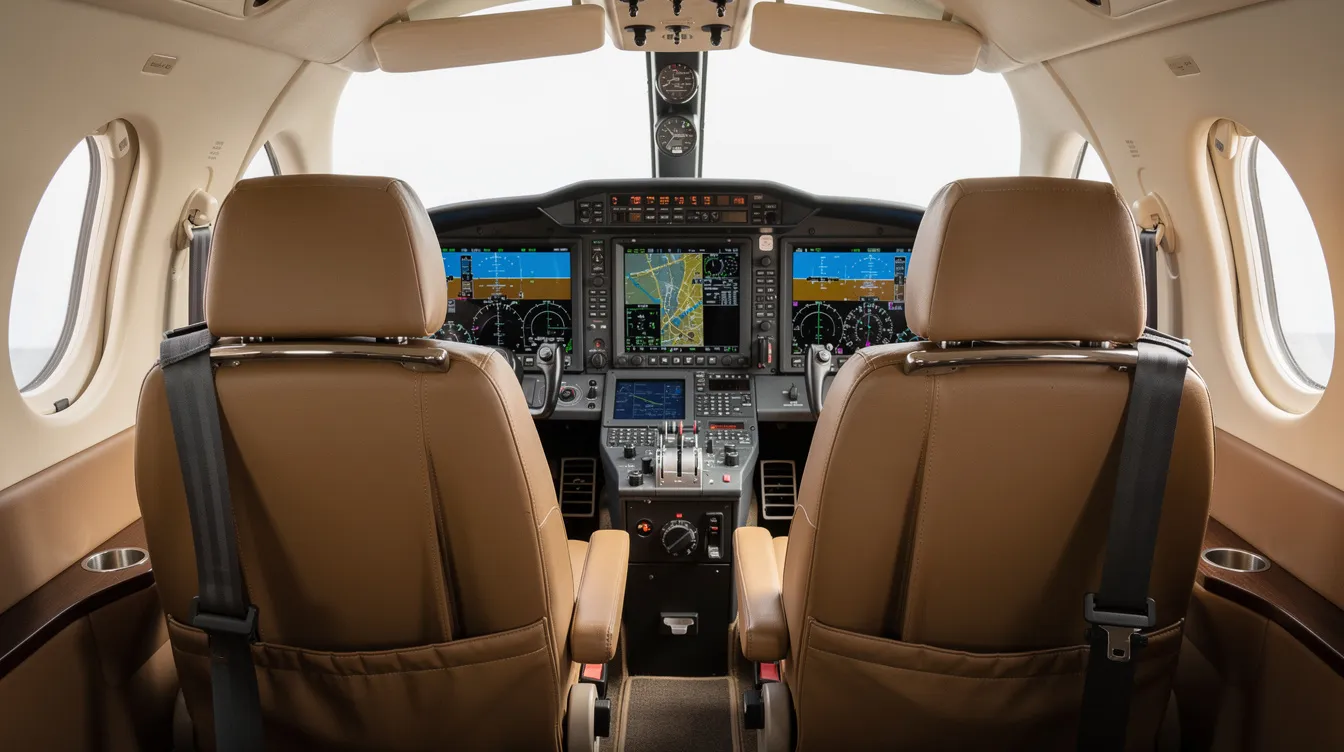
Many surviving Cessna U206F aircraft require extensive interior refurbishment to meet modern comfort expectations. A comprehensive restoration of a Cessna U206F may require addressing multiple components, including the airframe, engine, avionics, and interior, which can take several years of part-time work.
A full interior overhaul typically involves stripping seats to frames, welding repairs where needed, replacing foam with high-density materials, and installing aviation-grade leather upholstery. The restoration process for a Cessna U206F typically includes thorough inspections, lubrication of all pulleys, and removal of any nests or debris, which is essential for maintaining airworthiness.
Typical refurbishment scope:
Heavy-duty nylon carpeting with reinforced heel mats
Refreshed trim panels and glareshield
Updated control yokes and door jamb refinishing
Soundproofing kits reduce cabin noise by 5-7 dB
Modern LED lighting throughout
The U206F’s cabin is noted for its large size, but the third row of seats can be cramped—particularly on longer flights, especially when compared with 10 million dollar private jet cabin layouts or the enhanced comfort of 15 million dollar private jet interiors. The U206F is considered to have high interior noise levels during takeoff and climb compared to luxury aircraft, typically requiring Bose or similar active noise-canceling headsets for pilots and passengers alike.
Sound levels averaging 95 dBA contrast sharply with modern business jets operating at 75 dBA, especially flagship models among the best private jets in the world, the most expensive private jet options, and 20-million-dollar private jet platforms. Optional air conditioning remains available through aftermarket STCs, addressing comfort in warmer climates. Interiors refurbished under Part 145-style maintenance approvals ensure safety and regulatory compliance.
Operations, Safety, and Commercial Air Service Roles
The U206F is commonly utilized in aerial photography, skydiving, medical evacuations, and conservation missions worldwide, often complementing regional private jet charter services in cities like Lahore. The Cessna U206F is recognized for its high payload capacity and versatility, making it a popular choice for bush flying across every inhabited continent.
Regional air taxi operations, charter services to remote communities, and cargo runs form the backbone of commercial U206F employment, even as newer models and private plane rideshare options broaden access to flexible air travel. Skydiving operations particularly value the wide door and stable flight characteristics at jump altitude.
Recent incident case study: On January 30, 2026, a Cessna U206F experienced an engine failure shortly after takeoff, leading to a forced landing attempt that resulted in a collision with trees and significant damage to the aircraft. During the incident on January 30, 2026, the pilot reported engine vibrations increasing violently, which led to a loss of control and a crash landing. The pilot of the Cessna U206F involved in the January 30, 2026, incident was hospitalized with minor injuries, including a broken collarbone, after exiting the aircraft through a shattered windscreen.

This incident underscores critical safety practices for single-engine operations:
Thorough pre-flight inspection with particular attention to engine condition
Clear engine-failure procedures and emergency landing site awareness
Adherence to “aviate, navigate, communicate” priorities
Properly functioning ELT for rapid location after off-field landing
Operator safety culture and maintenance discipline prove essential for older airframes. BlackJet’s safety standards—multi-engine jets, audited operators, and proprietary safety vetting—reduce operational risk for high-net-worth travelers compared to ad-hoc single-engine charter in vintage aircraft, and align with the benchmarks set by top private jet companies globally and operators of the largest private jets for sale and charter.
Cessna U206F vs Modern Turbo Stationair and Other 206 Variants
The Cessna 205/206/207 series represents a family of fixed landing gear, single-engine aircraft that evolved from Cessna’s determination to produce the ultimate utility platform. The U206F sits within this family as the mid-1970s normally aspirated workhorse—sometimes marketed as the super skylane in certain configurations.
Variant comparison:
Feature | U206F (1972-1976) | T206H Turbo Stationair |
|---|
Engine | 285-300 hp NA | 310 hp Turbocharged |
Ceiling | 14,800 ft | 26,000 ft |
Avionics | Legacy (upgradeable) | Garmin G1000 |
Typical Value | $250,000-$350,000 | $1.2M+ new |
The turbo models extended the 206 concept into higher altitude and hotter climate operations while maintaining the same basic utility ethos, offering a bridge between rugged pistons and more capable small private aircraft and light jet platforms. For mountainous countries and tropical regions where density altitude degrades normally aspirated performance, the turbo conversion or factory turbo stationair delivers a comparable mission capability at altitude, while ultra-long-range jets occupy a different niche as the best long-range private jet options for nonstop intercontinental travel.
Despite age, U206F airframes hold value when well maintained—demand for load-hauling “SUV of the sky” aircraft remains strong, particularly where new aircraft prices have climbed beyond reach for many operators and where understanding the broader private jet price landscape and options, and private jets for sale under 10 million, informs fleet decisions. The model was reintroduced through successive variants, with production continuing in evolved forms to this day.
Where the Cessna U206F Fits in a Modern Private Travel Strategy
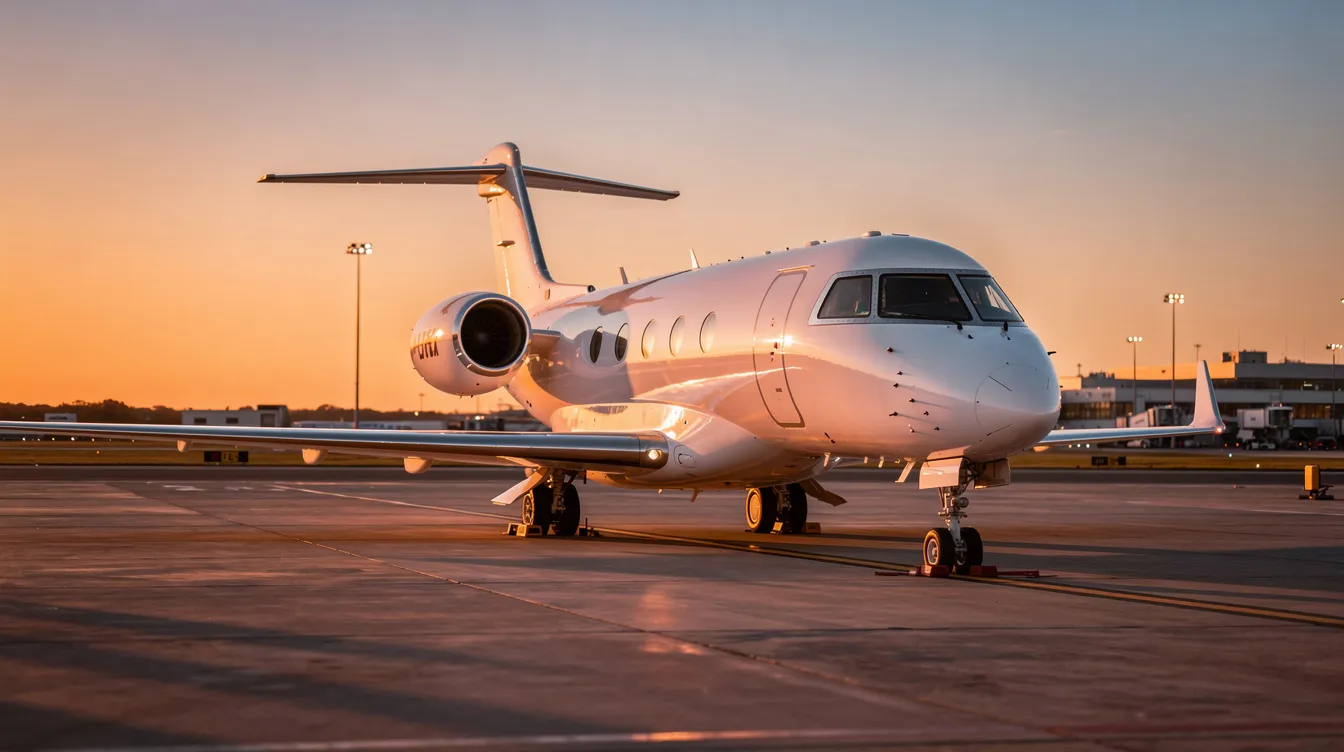
Sophisticated travelers and businesses face clear decisions between rugged piston utility aircraft and premium jet solutions, weighing utility against the growing field of affordable private jet options and flexible structures like private jet leasing programs. The route determines everything.
Before committing to ownership or restoration, many travelers also evaluate structured membership programs by examining jet card costs and pricing models, jet card pricing structures and benefits, and specific competitors such as Flexjet jet card cost options.
U206F excels when:
Short, low-altitude hops to remote strips under 2,000 feet
Mixed cargo and passenger loads requiring the rear door
Bush lodge access, where speed matters less than access
Missions where ground transportation alternatives simply don’t exist
BlackJet jet cards deliver superiority when:
Longer-range business trips between major cities
Time-sensitive itineraries where 400+ knot cruise matters
Multi-city schedules requiring seamless connections
Pressurized comfort above weather at flight levels exceeding the U206F’s ceiling
BlackJet’s jet card model, including its 25+ Hour Jet Card program, offers predictable hourly rates, 24/7 digital booking, and carbon-neutral flights—benefits difficult to replicate with individually owned legacy utility aircraft, whether flying in compact light jets, 20 passenger private jet configurations, or larger 16-seat private jet cabins, 30 passenger private jet options, and even 50 passenger private jet charters for group travel. Many sophisticated travelers combine approaches: relying on BlackJet for primary travel legs (New York to Denver by jet), then chartering a local U206F-type aircraft for final segments into unpaved or short fields.
BlackJet Jet Card Access vs Owning or Restoring a Cessna U206F
The economics of aircraft ownership versus jet card membership reveal stark contrasts in cost, time, and risk, especially when compared with the best jet card programs for frequent flyers and detailed analyses of 50-hour jet card cost and value.
U206F restoration reality:
Engine overhaul: restoring a Cessna U206F can involve high costs, with estimates for an overhaul reaching around $75,000, even if no issues are found
Avionics upgrade to modern glass: $100,000+
Interior refurbishment: $30,000-$60,000
Paint: $15,000-$25,000
Annual fixed costs (hangar, insurance, inspections): $30,000+
Ongoing maintenance: $180+ per hour variable
BlackJet jet card alternative:
25-hour and 50-hour prepaid programs
No asset risk, depreciation, or maintenance decisions
Built-in safety auditing and carbon-neutral operations
Digital scheduling tools with 24/7 support
Predictable cost structure without surprise invoices
For executives and high-net-worth individuals whose time commands premium value, the figure comparison favors jet cards, and some even explore unlimited private jet flight memberships or structured 100-hour jet card cost programs to lock in predictable access. Rather than spending weekends coordinating with mechanics and paint shops, members simply book through the app and arrive.
If your priority is seamless, high-standard private jet travel rather than hands-on aircraft restoration, BlackJet’s jet card programs deliver the strategic advantage modern travelers expect.
Elevate your travel—effortlessly. With BlackJet, private flight becomes accessible on your terms through our Jet Card programs, complete with rigorous safety standards, carbon-neutral performance, and unmatched flexibility. Explore our offerings and discover how refined, meaningful travel becomes your new standard.
FAQ
Is the Cessna U206F still a good aircraft for commercial air service today?
Many U206F aircraft remain in active service worldwide for charter, air taxi, and utility missions when maintained to current regulatory standards with modern avionics and interiors installed. Over 500 remain registered globally. Regulatory requirements, insurance considerations, and customer expectations may push some operators toward newer turbo stationair models or small turboprops, but a properly maintained U206F remains commercially viable for niche roles where payload and short-field access matter more than speed.
How does the fixed landing gear on the U206F affect performance and maintenance?
Fixed landing gear increases drag and reduces cruise speed by approximately 5-10 knots compared to retractable-gear aircraft, but greatly simplifies maintenance, improves reliability on rough surfaces, and eliminates gear-up accident risk. For bush, float, or cargo operations, operators gladly accept the speed trade-off in exchange for robustness and lower operating complexity—maintenance costs drop 20-30% compared to retractable systems.
What is the difference between the Cessna U206F and the Turbo Stationair?
The U206F is an earlier, normally aspirated utility variant limited to approximately 14,800 feet ceiling, while the Turbo Stationair (T206H) uses a turbocharged engine, maintaining power at higher altitudes and in hot conditions with ceilings exceeding 26,000 feet. Turbo models equipped with Garmin G1000 avionics and refined interiors command significantly higher purchase prices, whereas U206F aircraft offer value when upgraded through comprehensive refurbishment.
Why might a traveler choose a private jet via a jet card instead of flying in a U206F-type aircraft?
For most business and luxury leisure travelers, pressurization, cabin comfort, speed, and multi-engine safety margins make jets the preferred option for regional and long-haul flights, especially for those who simply want to buy a seat on a private jet or explore premium UK private jets for sale rather than manage an entire aircraft. With a BlackJet jet card, members gain predictable pricing, curated operators, carbon-neutral flights, and on-demand scheduling—benefits extending far beyond what any single U206F can offer, regardless of how extensively it’s been refurbished.
Can BlackJet arrange flights on Cessna 206 series aircraft if a trip requires short or unimproved runways?
BlackJet’s core focus remains cabin-class jets, but the company can coordinate with vetted partners for last-mile solutions or specialist missions where utility aircraft like the 206 series are appropriate, including region-specific offerings such as private jet charters in Karachi. Contact BlackJet support with specific route and runway details so the team can recommend the optimal blend of jet and utility aircraft options for your complete itinerary.
Conclusion
The Cessna U206F remains a testament to rugged utility and versatility in aviation, excelling in missions where access to remote, unimproved airstrips and robust payload capacity are paramount. For discerning travelers and operators, understanding the unique strengths of the U206F alongside modern private jet options offers a strategic advantage in tailoring travel solutions to mission demands. While the U206F shines in specialized utility roles, BlackJet elevates private travel by providing seamless access to a global fleet of cabin-class jets through its innovative Jet Card programs, an approach that contrasts with traditional private jet rental cost models. With BlackJet, travelers enjoy unmatched safety standards, carbon-neutral flights, and flexible scheduling, ensuring every journey is both refined and responsible.
Discover how BlackJet can reshape your travel experience by combining the best of rugged utility and premier private jet access. Visit blackjet.com to explore membership options and elevate your travel—effortlessly.


 Sign up with google
 Sign up with Apple