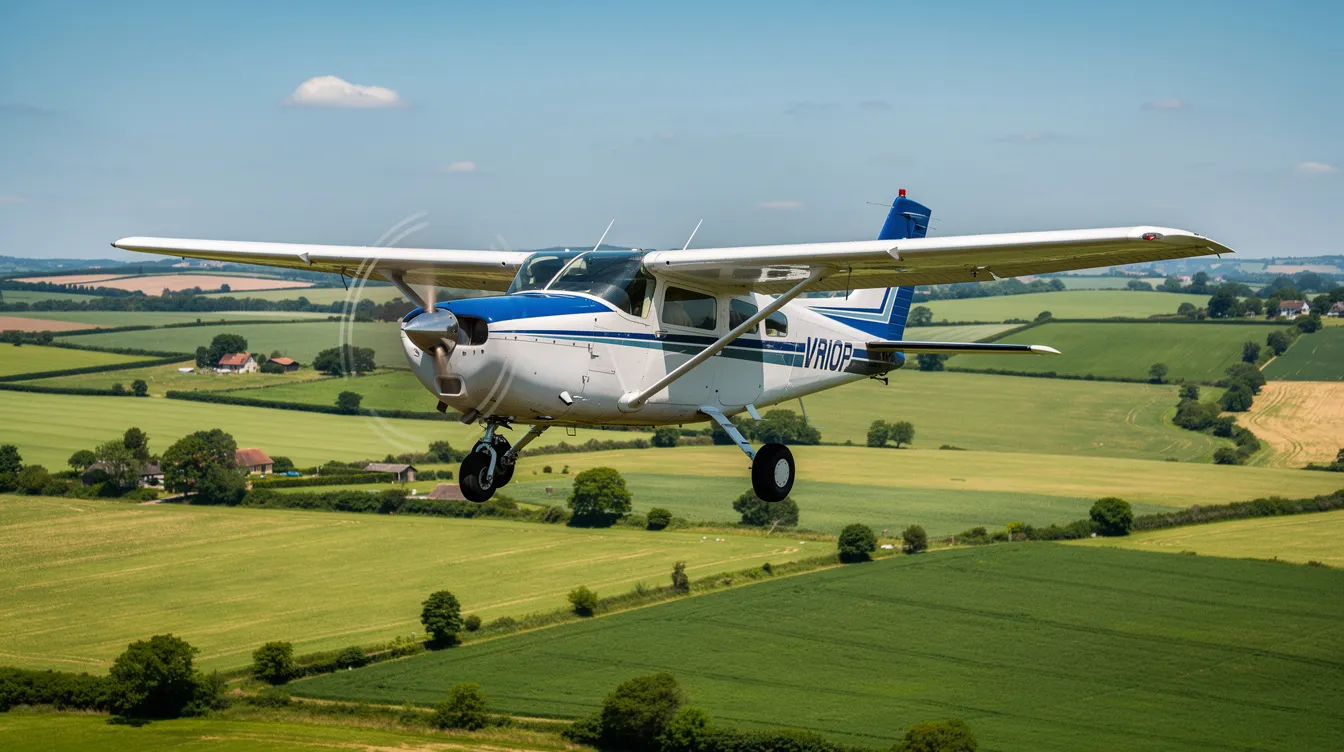
The Cessna 210 Centurion remains one of the most capable six-seat singles in the ga world - offering more speed and payload than a Cessna 182, without the complexity of a twin. But that performance comes at a price many owners underestimate.
This guide is for prospective Cessna 210 owners, pilots, and anyone comparing ownership costs to other private aviation options. Understanding these costs is essential for making an informed purchase or budgeting decision.
Operating expenses divide into fixed costs and variable costs, and both must be understood before you can honestly assess whether this airplane fits your budget. Fixed costs are expenses paid annually regardless of flight hours, while variable costs accrue based on how much you fly.
At roughly 100 flight hours per year, most owners report operating costs of $38,000 to $45,000 annually - approximately $380 to $450 per hour all-in. Fly less, and that figure climbs sharply; fly more, and it drops, though never as low as many hope. This article breaks down every line item so you can plan with confidence.
As a provider of private jet access, BlackJet regularly advises travelers who are weighing Cessna 210 ownership against flexible jet card programs for longer, higher-speed missions.
Key Specs That Drive Cessna 210 Operating Costs
Cost Category | Estimated Annual Cost Range | Notes |
|---|
Hangar Rental | $3,600 – $24,000 | Varies by location; premium metro areas command higher rates |
Insurance | $2,500 – $15,000 | Depends on pilot experience and coverage; complex aircraft premiums are higher |
Annual Inspection & Maintenance | $3,000 – $10,000 | Includes scheduled inspections and typical unscheduled repairs |
Database & Subscriptions | $700 – $1,200 | For GPS databases, charts, and planning tools |
Fuel (Variable) | $84 – $112 per flight hour | Based on 15-20 gallons per hour at prevailing avgas prices |
Oil & Consumables (Variable) | $3 – $5 per flight hour | Covers oil changes, filters, and fluids |
Maintenance Reserves (Variable) | $35 – $58 per flight hour | Includes engine, propeller, landing gear, and airframe reserves |
Complex systems in the Cessna 210 - retractable landing gear, constant-speed propeller, and (on turbo and pressurized models) turbocharging - increase operating costs significantly compared to trainer aircraft or fixed-gear planes like the 182. Early models carried simpler systems, while later models added hydraulic gear doors and more sophisticated avionics. The T210 and P210 variants burn more fuel, demand more shop time, and carry higher insurance. Compared with a Piper Saratoga or Cessna 182 burning 11–13 GPH, the 210's extra cruise speed comes at the cost of a few extra gallons per hour and considerably higher annual maintenance.
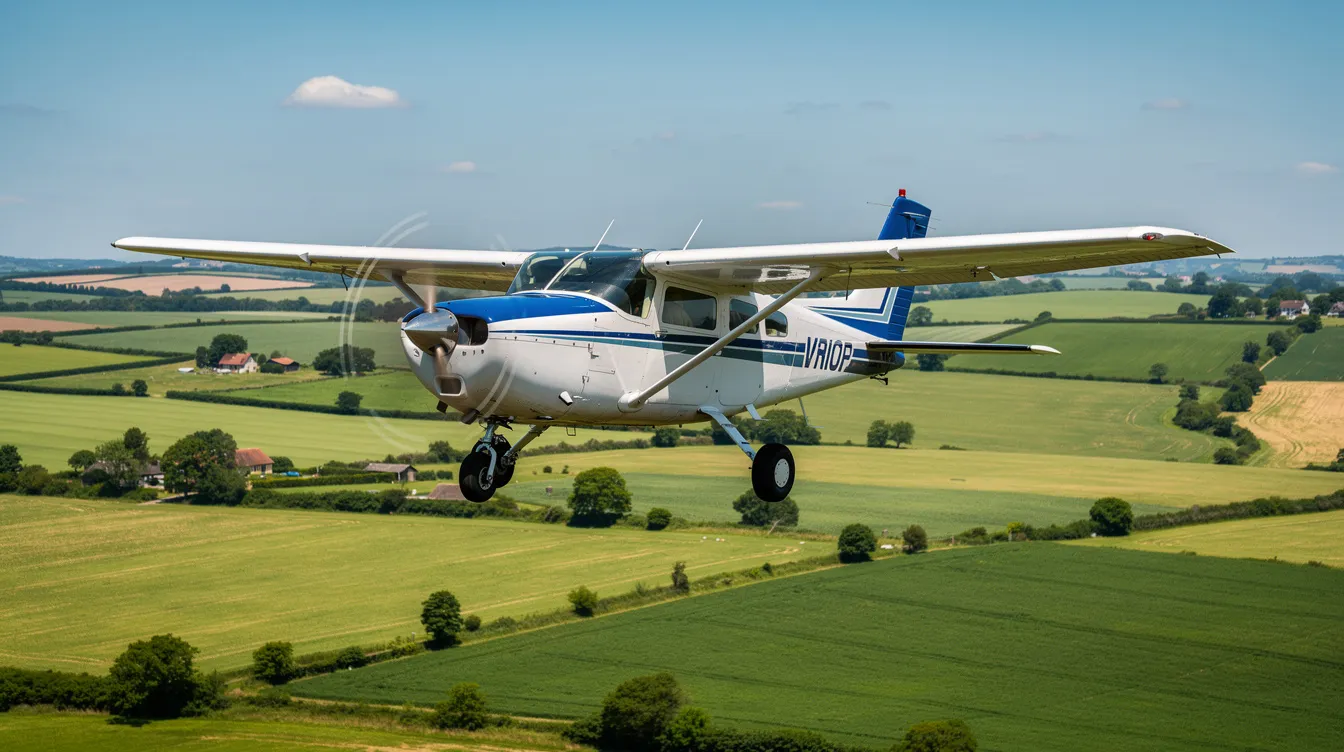
Variable Costs per Flight Hour (Fuel, Oil, and Hourly Reserves)
Variable operating costs accrue based on flight hours and are where most pilots first feel the true operating cost of this airplane.
Fuel:
Hourly fuel costs range from $84 to $112 based on current avgas prices ($6.00–$7.50 per gal across most U.S. regions). At 15 GPH and $7.00/gal, you'll pay roughly $105 per flight hour in fuel alone.
Leaning properly and flying at economy cruise can reduce fuel burn without sacrificing meaningful trip time - a discipline worth mastering during flight training or instrument rating currency work.
Oil and consumables:
Oil and routine consumables cost about $3 to $5 per hour, covering oil changes, filters, and fluids. Frequent short hops and training maneuvers increase consumption.
Maintenance reserves:
Setting aside engine overhaul reserves typically costs $20 to $30 per hour, given IO-520/IO-550 overhaul bills of $45,000–$55,000 at a TBO of 1,700 hours.
Propeller overhaul reserves add ~$5–$8/hr; landing gear and airframe reserves add ~$10–$20/hr depending on age and condition.
Typical maintenance expenses for a Cessna 210 can be between $45 and $60 per hour when you include routine squawks.
Summary: The estimated cost per flight hour typically falls between $120 and $150 for direct variable expenses, with overall variable costs reaching $130 to $170 per flight hour once all reserves are included. At 150 flight hours per year, that's roughly $20,000–$25,500 in variable costs alone - before a single fixed expense.
Fixed Annual Costs (Hangar, Insurance, Inspections, Subscriptions)
Fixed costs are paid whether the plane flies or sits in the hangar. Fixed costs accrue annually regardless of flight hours, which is why low utilization makes the 210 punishingly expensive on a per-hour basis.
Hangar or tie-down:
Typical hangar rental costs range from $3,600 to $7,200 annually at smaller airports. In premium metro areas, hangar costs range from $6,000 to $24,000 annually. Budget at least $500 per month as a mid-range starting point.
Insurance:
Typical insurance premiums range from $2,000 to $10,000 based on pilot experience, and aircraft insurance costs typically range from $2,500 to $8,000 per year for standard hull-plus-liability policies. Insurance rates for complex aircraft are dependent on pilot experience and total flight time. For pilots with limited retractable-gear experience, insurance costs can reach $10,000 to $15,000 annually - a premium that reflects the underwriting risk of complex singles. Carriers want to insure pilots who regularly fly and maintain currency.
Annual inspection and maintenance:
Annual inspection costs range from $3,000 to $5,000 per year for a well-maintained 210, though annual maintenance costs for a Cessna 210 average $10,000 once unscheduled squawks are factored in. Poorly maintained or older airframes can spike far higher.
Other fixed items:
Database and subscription costs typically range from $700 to $1,200 per year for GPS databases, charting, and flight planning tools, and some pilots also use them to compare route options and related trip expenses.
State registration, property tax, and miscellaneous items add $500–$2,000 per year depending on where you operate.
Bottom line: Total estimated fixed costs range from $10,500 to $21,400 annually for a modest setup, though many owners with full hangar, comprehensive insurance, and regular maintenance spend $25,000–$40,000 per year in fixed overhead.
Putting It Together: True Operating Cost per Hour at Different Utilization Levels
The true operating cost equals variable costs multiplied by flight hours, plus fixed annual costs, divided by total hours flown. Here's what that looks like across three scenarios:
Cost Category | Estimated Annual Cost Range | Notes |
|---|
Hangar Rental | $3,600 – $24,000 | Varies by location; premium metro areas command higher rates |
Insurance | $2,500 – $15,000 | Depends on pilot experience and coverage; complex aircraft premiums are higher |
Annual Inspection & Maintenance | $3,000 – $10,000 | Includes scheduled inspections and typical unscheduled repairs |
Database & Subscriptions | $700 – $1,200 | For GPS databases, charts, and planning tools |
Fuel (Variable) | $84 – $112 per flight hour | Based on 15-20 gallons per hour at prevailing avgas prices |
Oil & Consumables (Variable) | $3 – $5 per flight hour | Covers oil changes, filters, and fluids |
Maintenance Reserves (Variable) | $35 – $58 per flight hour | Includes engine, propeller, landing gear, and airframe reserves |
Average total annual cost for ownership typically ranges from $25,000 to $45,000 for 100 hours of flight time depending on how aggressively you budget reserves. Operating costs can total $38,000 to $45,000 per year at this utilization.
For travelers flying only 25–60 hours annually, private jet access through a jet card program with transparent jet card pricing or a dedicated 100 hour jet card cost structure can deliver predictable hourly pricing without surprise maintenance spikes, hangar commitments, or the capital risk of an aging airframe. Before you purchase a 210, model your expected hours conservatively and compare the figure against every alternative.
Major Cost Drivers and Risk Areas: Engine, Gear, and Pressurization
Certain systems on the Cessna 210 have an outsized impact on what you'll pay over a few years of ownership.
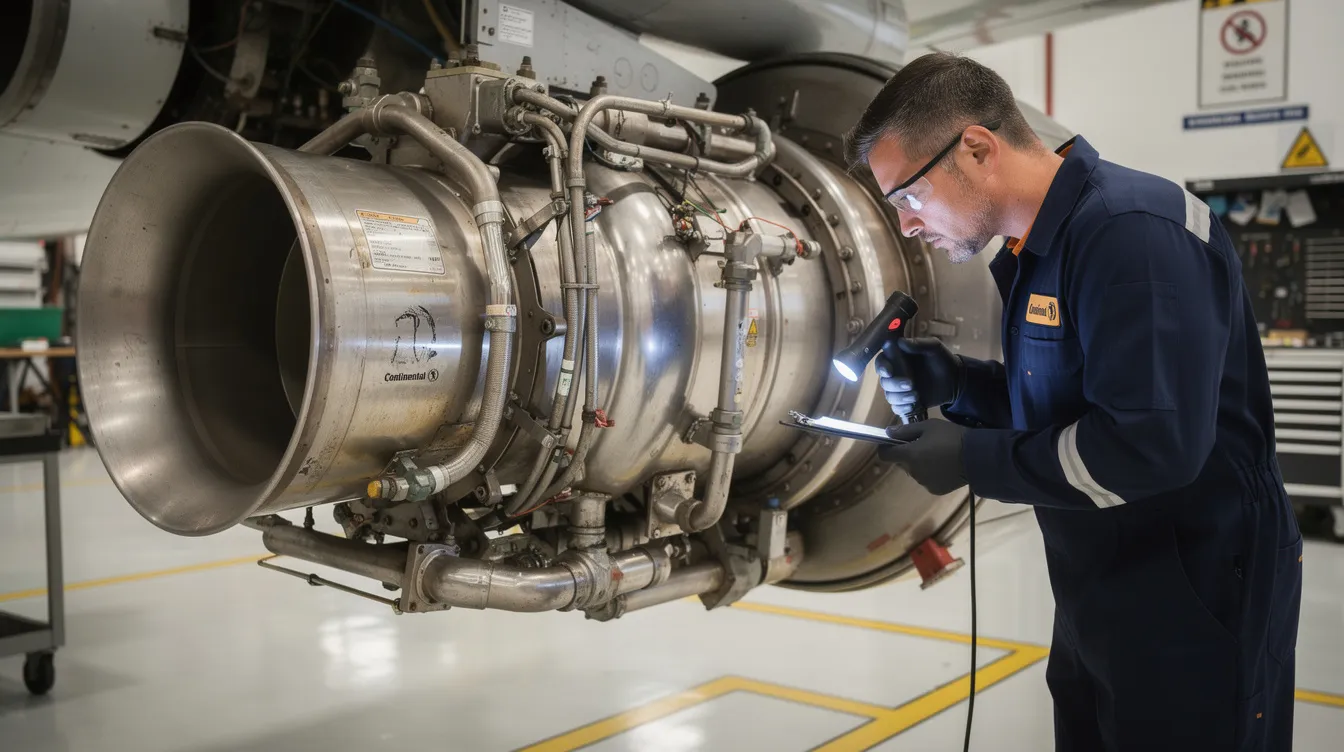
Engine and propeller: IO-520/IO-550 overhaul runs $45,000–$60,000 installed; propeller overhaul adds $8,000–$12,000. Turbo variants see more cylinder and hot-section issues if not carefully managed, making the climb and cruise regime an expensive discipline to get wrong. First annual maintenance on a recently purchased 210 can cost around $23,000 if deferred items surface - a figure that shouldn't shock any worried buyer who does proper flight planning.
Retractable landing gear: The 210's hydraulic gear system, particularly on later models, is a maintenance hot spot. Aging hoses, actuators, and seals create expensive squawks. Confirm compliance with carry-through spar ADs and relevant service bulletins during any pre-buy.
Pressurization (P210): Adds pressure vessel inspections, door seals, and environmental control maintenance - thousands per year above a non-pressurized 210. The stability and comfort at mid-teen altitudes is real, but so is the cost, especially when contrasted with the economics of owning or accessing the best long-range private jets for global travel.
Avionics: Legacy panels often need $40,000–$80,000 in upgrades for modern IFR-equipped glass and digital autopilot. Amortize that over several years when calculating your effective hourly cost.
Ownership vs Private Jet Access: When a Cessna 210 Makes Sense
The Cessna 210 is ideal for owner-pilots who frequently fly regional missions of 300–700 NM, want to carry four to five passengers plus baggage, and are willing to maintain and operate a complex airplane in exchange for schedule freedom, even when compared to the cheapest private aircraft and light jet alternatives. In the market for a capable, forgiving cross-country single, few planes match its combination of speed, range, and useful load per dollar on the used market, especially when compared with other options in the best small private aircraft for every need category.
But the comparison shifts on longer routes. A 210 cruises 160–175 KTAS; a light jet through BlackJet’s premium private jet card programs cruises 350–450 KTAS with 1,200–1,800 NM of range, halving door-to-door time on business trips and overlapping with many features of a 5 million dollar jet. BlackJet clients avoid hangar bills, insurance risk, and overhaul reserves - they pay only for actual flight hours with safety-vetted crews and carbon-neutral operations, aligned with the broader economics of renting a private jet and its typical costs.
Pre-Purchase and Budgeting Checklist for Prospective 210 Owners
Before you commit money to a Cessna 210, work through this checklist and consider broader cheapest private jet options for cost-sensitive travelers:
Pre-buy inspection: Use a shop experienced with 210s. Focus on gear, wing spar, corrosion, engine borescope, and AD compliance. Review logbooks for consistent, quality maintenance - created gaps in records are a red flag.
Operating cost model: Build a spreadsheet with your local fuel prices, hangar quotes, insurance estimates, and realistic reserves. Referencing a broad private jet price list and cost structure can help you benchmark against turbine options. Model at least two scenarios (75 and 150 hours/year) to see how your true operating cost per flight hour shifts.
Financing and capital: Financing a Cessna 210 may require a 600+ credit score, and lenders prefer borrowers with $120,000 or more in annual income. With a $160,000 aircraft financed at mid-single-digit rates, annual debt service runs approximately $28,800 - a figure that can push total ownership costs well above $70,000 per year, especially compared with more affordable small aircraft options and other best cheapest planes for budget-conscious pilots.
Decision cross-check: Compare your modeled cost per hour against rental, shared ownership, and jet card membership programs such as the BlackJet 25+ Hour Jet Card, as well as structured options like leasing a private jet with customized terms. If your utilization is low or your missions favor speed over economy, the 210 may not be the right fit - no matter how appealing the airplane looks in January on the ramp.
For travelers who prioritize time, safety oversight, and turnkey logistics, private jet access through a jet card provides many benefits of aircraft ownership without the long-term financial commitments, especially when exploring the cheapest private aircraft and access options. Explore how BlackJet can reshape your travel at a predictable, all-inclusive hourly rate.
Frequently Asked Questions About Cessna 210 Operating Costs
1. What is the average fuel burn rate for a Cessna 210?
The Cessna 210 typically burns around 20 gallons of fuel per hour at higher power settings, though economy cruise can reduce this to approximately 14–16 gallons per hour.
2. How much does insurance cost for a Cessna 210?
Insurance premiums vary widely based on pilot experience and coverage but typically range from $2,500 to $10,000 annually. For less experienced pilots, costs can reach $10,000 to $15,000 per year.
3. What fixed costs should I expect owning a Cessna 210?
Fixed costs include hangar or tie-down fees, insurance, annual inspections, and database subscriptions, typically totaling between $10,500 and $21,400 annually, though this can be higher in premium locations.
4. How do variable costs impact the hourly operating cost?
Variable costs, such as fuel, oil, maintenance reserves, and consumables, generally range from $130 to $170 per flight hour, depending on usage and maintenance condition.
5. Is financing available for purchasing a Cessna 210?
Yes, financing is available but often requires a credit score above 600, proof of income over $120,000, and pilot certification including complex aircraft endorsements.
6. How does owning a Cessna 210 compare to using a private jet card?
While ownership offers flexibility for frequent regional flying, private jet cards provide predictable hourly costs, no fixed overhead, and access to faster jets for longer trips, making them a compelling alternative for lower utilization or longer missions.
7. What maintenance risks should I be aware of?
Key maintenance concerns include the engine and propeller overhaul costs, hydraulic retractable landing gear upkeep, and pressurization system inspections on P210 models, all of which can significantly affect operating expenses.
8. Can the Cessna 210 fit in a standard hangar?
Typically, yes. However, hangar sizes and costs vary by location, so it’s important to confirm local hangar dimensions and fees, which can range from $6,000 to $24,000 annually.
9. How does flight hour utilization affect cost per hour?
Higher flight hours spread fixed costs over more hours, reducing the cost per hour. For example, flying 200 hours per year can lower hourly costs to around $325, while flying only 60 hours can increase costs above $700 per hour.
10. What upgrades are recommended for used Cessna 210s?
Common upgrades include modern avionics, autopilot systems, engine analyzer equipment, and compliance with airworthiness directives to enhance safety, reliability, and operational efficiency.
Conclusion: Is Cessna 210 Ownership Right for You?
Owning a Cessna 210 offers a unique blend of performance, capacity, and complexity that appeals to experienced pilots seeking regional travel flexibility with a six-seat cabin. However, the operating costs—driven by fuel consumption, maintenance of complex systems, insurance, and fixed expenses like hangar fees—are significant and require careful budgeting. Prospective owners should join a thorough due-diligence course, model their expected utilization realistically, and weigh these costs against alternatives such as private jet card programs.
For those flying 100 to 150 hours annually, the Cessna 210 can be a cost-effective and rewarding aircraft, especially when well-maintained and flown with discipline, though high-capacity missions may justify evaluating 12-seater private jet costs and considerations. Yet, for travelers who prioritize speed, convenience, and sustainability without the burden of fixed costs or maintenance risks, BlackJet’s premium private jet access offers an effortless, flat-rate solution with safety-certified crews and carbon-neutral flights, much like modern unlimited private jet flight memberships.
Ultimately, deciding to own a Cessna 210 means balancing the joy and prestige of piloting a manufactured classic against the financial and operational realities of complex piston aircraft ownership, especially when benchmarked against the top 10 best private jets in the world. Whether you choose to join the ranks of 210 owners or explore flexible jet card memberships, informed planning ensures your aviation journey aligns perfectly with your lifestyle and travel goals.


 Sign up with google
 Sign up with Apple