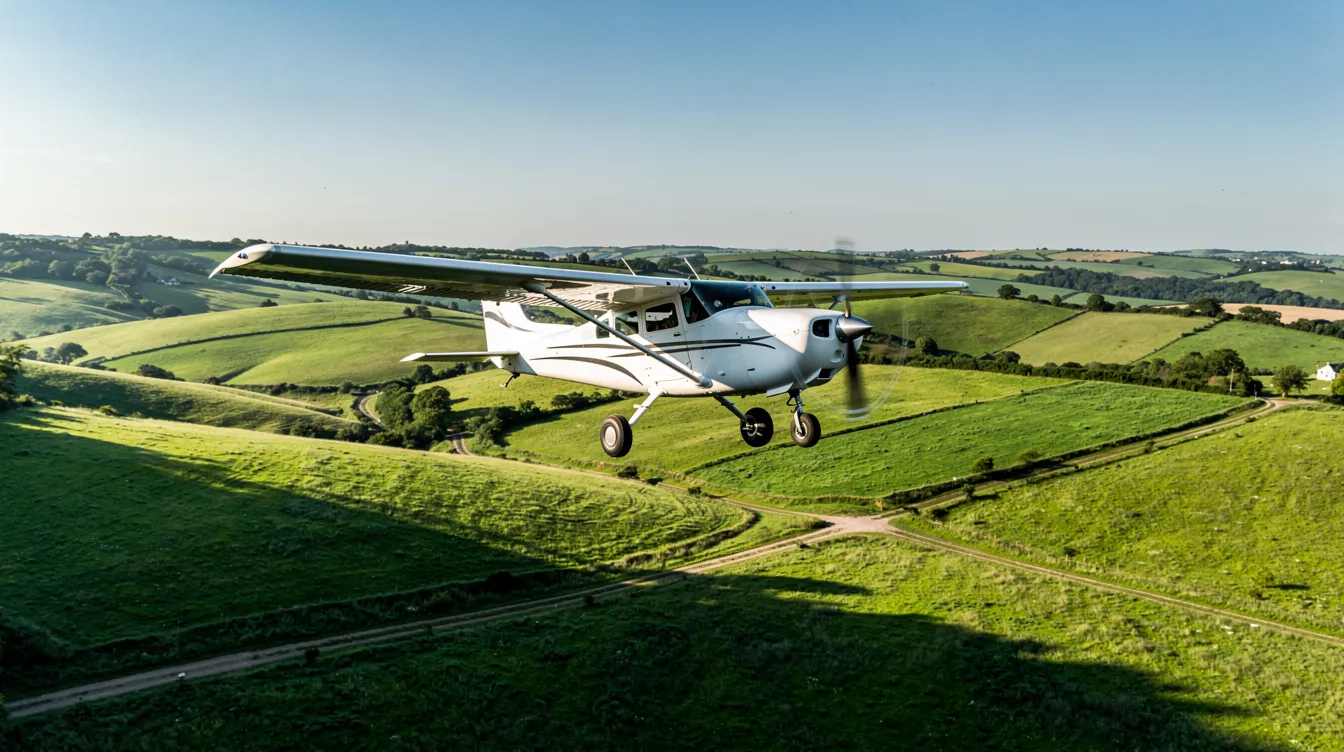
The Cessna 172 remains the most popular airplane ever built, and its price reflects decades of proven dependable performance. Whether you're purchasing your first plane or weighing ownership against smarter alternatives, here are the real numbers.
Cessna 172 Price at a Glance (Answer First)
You came here for hard data, so let's start there. Below are the current market ranges for the Cessna 172, followed by deeper analysis in the sections that follow.
New Cessna 172 Skyhawk (2024–2026 model year): A new Cessna 172 costs between $400,000 and $500,000 depending on avionics packages, interior finishes, and delivery configuration.
Late-model used (2000–2020) with modern glass cockpit: Roughly $250,000–$430,000, with price driven by avionics generation, engine hours, and maintenance history.
Mid-life (1970s–1990s) well-maintained examples: About $90,000–$220,000, varying significantly by engine time since overhaul and corrosion status.
Older legacy (1950s–1960s) or high-time airframes: Around $40,000–$120,000 for airworthy examples with basic equipment.
Listing vs. transaction prices: Cessna 172 aircraft typically list between $219,000 and $244,499 on major marketplaces, but actual sale prices often settle 10–30% lower once pre-buy inspections reveal needed repairs or upcoming overhauls.
Cost per flight hour comparison: Operating costs for a Cessna 172 run about $100 to $150 per hour all-in for owners. Renting one wet costs $130–$200 per hour. A light jet via a BlackJet Jet Card runs significantly more per hour but covers five to ten times the distance in the same time, making per-mile and per-minute economics surprisingly competitive for business travelers.
The rest of this article unpacks acquisition cost, annual expenses, and alternatives for both pilots and high-net-worth travelers who may not need to own at all.
What Makes the Cessna 172 So Valuable?
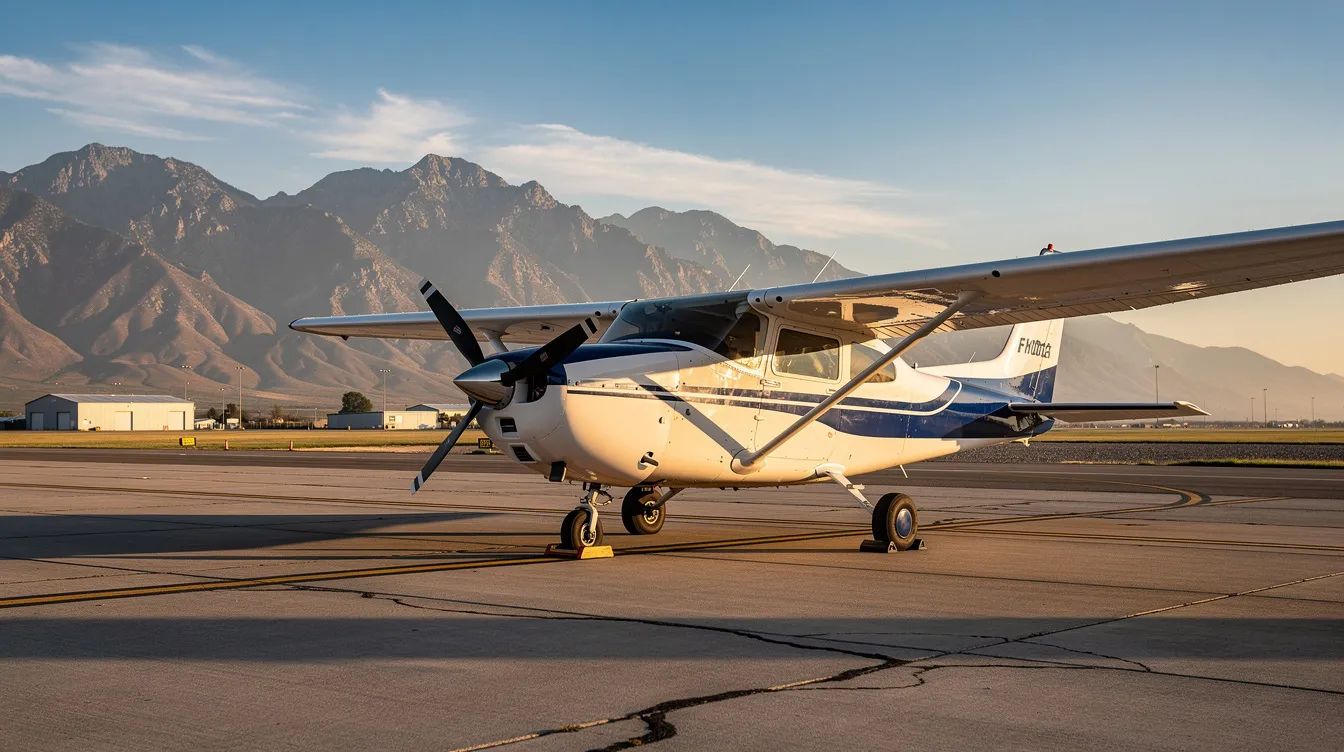
The Cessna 172 was introduced in 1956, and over 43,000 units have been produced since - making it the most successful aircraft design in aviation history. That production volume directly affects price resilience: parts are abundant, mechanics know the airplane inside and out, and buyer demand never fades.
Key Value Factors
Configuration: A four-seat, single-engine, high-wing design powered by a 180 hp Lycoming engine in current production models. Typical useful load falls in the 800–1,050 lb range depending on model and equipment. Standard fuel capacity is approximately 56 US gallons, with some older models offering long-range tank options.
Training and rental demand: Flight schools and flying clubs worldwide rely on the 172 for primary training. That institutional demand underpins resale values even for well-used airframes, because market demand plays a critical role in the resale value of a Cessna 172.
Safety and handling: Forgiving stall characteristics, predictable landing behavior, and good visibility from the high wings give the 172 a safety reputation that justifies a price premium over many two-seat trainers.
Stepping-stone value: For many owners, the 172 is an entry-level airplane - flown for a few years, then traded up. Because demand stays high, values hold well enough to make the conversion to a more complex machine financially manageable.
New Cessna 172 Skyhawk Price (Factory-Fresh)
Purchasing a factory-fresh Skyhawk from the Cessna Aircraft Company means paying for guaranteed condition, warranty coverage, and the latest technology in avionics and airframe design.
New Skyhawk Pricing Details
Base price: The current 2024–2026 Cessna 172S Skyhawk carries a base sticker of around $419,620, with final cost climbing based on options. Expect the fully equipped price to land in the $400,000–$500,000 range before tax.
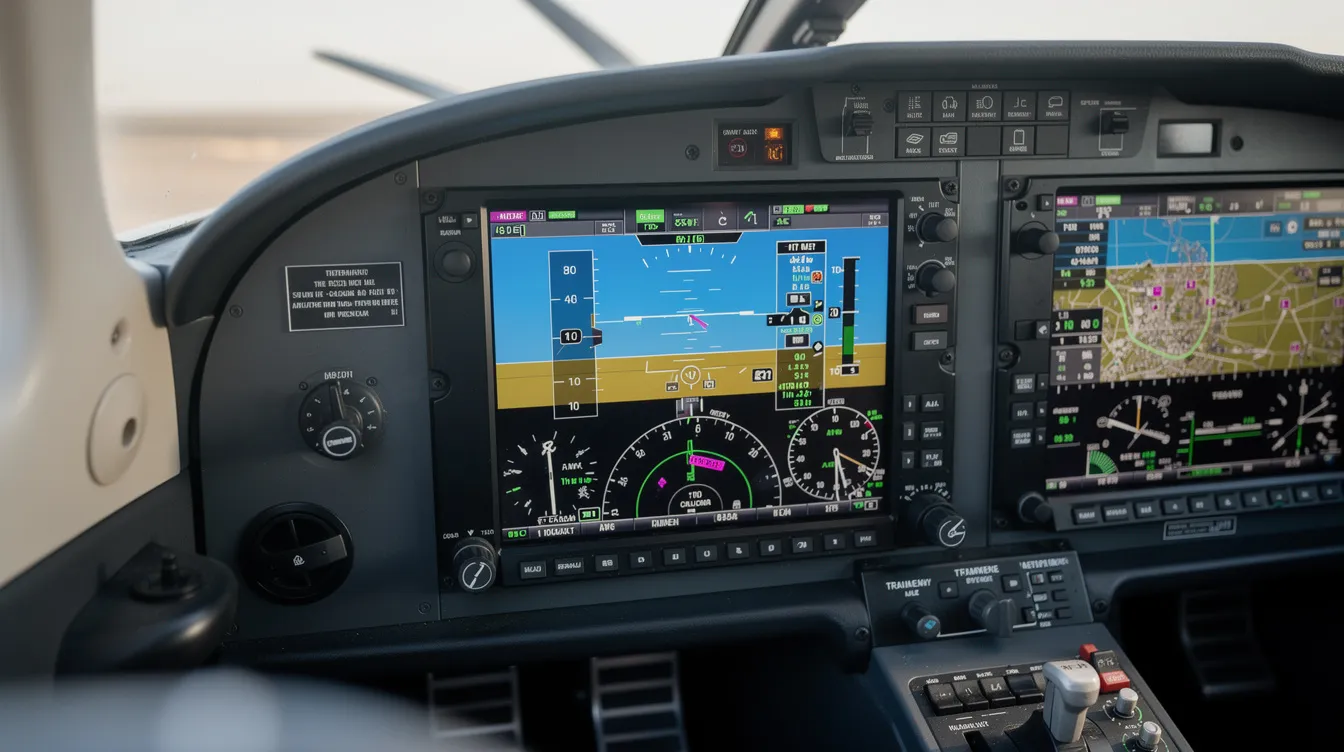
Avionics packages: Modern avionics like the Garmin G1000 NXi, integrated autopilot, ads b in/out transponder, and traffic and weather panels can add $25,000–$60,000 to the base figure. The G1000 NXi hardware and LOA alone list at roughly $28,995 before installation labor.
Interior and paint: Premium leather seats, custom paint schemes, new interior materials, and soundproofing raise acquisition cost substantially but have only a modest impact on future resale compared to mechanical and avionics condition.
Lead times: Supply constraints and strong demand mean delivery slots for new Skyhawks can stretch months out. Buyers competing for limited factory inventory often pay toward the upper end of the range.
For travelers who value access to new-generation aircraft without the depreciation and maintenance burden, a Jet Card program offers a fundamentally different model - one where the airplane is always someone else's capital expense.
Used Cessna 172 Price by Model Year and Condition
The used market spans seven decades of production, and factors that affect a Cessna 172's price include year of manufacture and model, total airframe time, engine condition, and avionics generation. Used Cessna 172 prices range from $30,000 to $300,000 depending on these variables.
Used Market Breakdown
1956–1969 early models: Often $40,000–$90,000 for airworthy examples with basic VFR equipment. Highly refurbished restorations can exceed that range. These are low time airframes in some cases, though many have accumulated substantial hours over six decades.
1970s–1980s (M, N, P variants): Commonly $80,000–$180,000. Airframe hours generally impact the value of a Cessna 172 in this era, as does engine time and whether IFR-capable avionics are installed.
1990s pre-restart and early R/S models: The Cessna 172R model was introduced in 1996, and the Cessna 172S model was introduced in 1998, marking Cessna's return to production after a hiatus. These aircraft typically fetch $150,000–$260,000.
2000s–2010s 172S with glass cockpit: About $230,000–$400,000, with G1000-equipped models commanding the highest prices.
Damage history can substantially lower the resale value of an aircraft, sometimes by tens of thousands of dollars. An engine's time since major overhaul significantly influences its valuation - a plane with 200 hours SMOH versus one approaching TBO can differ by $50,000 or more within the same model year.
Geographic factors matter too. Aircraft maintained in dry climates (Arizona, Nevada) tend to show less corrosion than coastal-based planes, commanding higher prices from informed buyers attempting to avoid hidden structural issues.
Buyers at the lower end of these bands should budget aggressively for upcoming maintenance and upgrading avionics to current compliance standards.
Breakdown of Ownership Costs Beyond Purchase Price
The purchase price of a cessna 172 is only part of the financial picture. Annual ownership expenses for a Cessna 172 can total several thousand to over $20,000 when you account for every line item.
Fixed Annual Costs
Hangar fees: $150 to $1,000 per month depending on airport and region.
Insurance: $1,200 to $5,000 annually based on pilot experience, hull value, and coverage level.
Annual inspection and FAA compliance work: Includes ADs and mandatory equipment checks.
Subscription services: Charts, GPS database updates, EFB apps like ForeFlight - typically $300–$500 per year.
Variable Per-Hour Costs
Fuel burn: About 8–10 gallons per hour at cruise power, translating to roughly $50–$70 per hour at current avgas prices.
Oil and routine consumables
Maintenance reserves: For engine overhaul, propellers, and avionics repairs - typically $20–$30 per hour set aside.
Annual Cost Breakdown Table
Cost Category | Typical Annual Cost (100 hrs/year) |
|---|
Hangar | $1,800–$12,000 |
Insurance | $1,200–$5,000 |
Annual Inspection | $1,000–$2,000 (plus squawks) |
Subscriptions | $300–$500 |
Fuel | $5,000–$7,000 |
Maintenance Reserves | $2,000–$3,000 |
Total | $11,300–$29,500 |
A realistic total cost for private owners flying 100–200 hours per year lands between $120 and $200 per flight hour when all expenses are amortized. That's a meaningful number - and one that many prospective buyers underestimate.
By contrast, BlackJet's model eliminates fixed ownership costs entirely. Clients pay only for flight time through a Jet Card or on-demand charter, with no hangar, no insurance policy, and no annual inspection surprises.
Engine, Avionics, and Inspection Costs (What Drives Big Bills)
Certain line items dominate the lifetime cost of owning a Cessna 172, especially on older or high-time airframes. Understanding these before purchasing can save you from a painful financial surprise on the ground.
Engine Overhauls
Cost: $20,000–$40,000, depending on field overhaul, factory remanufacture, or engine upgrade.
TBO: Lycoming O-320/O-360 family is around 2,000 hours.
Tip: A reliable engine with fresh overhaul documentation is worth paying a premium for.
Avionics Upgrades
Modern GPS/COM stack, ADS-B compliance, glass PFD/MFD panels: $20,000–$60,000.
Value: Modern avionics can significantly increase an aircraft's market value, making it both a safety investment and a resale play.
Annual Inspections
Base inspection: $1,000–$2,000.
"Squawks": Deficiencies discovered during the process can push the final bill to $3,000–$4,000 or more.
Tip: A fresh annual with clean results is a strong selling point.
Paint and Interior
Cosmetic condition: Affects price due to its impact on appearance and refurbishment costs.
Cost: Full repaint and new interior can cost $8,000–$20,000 combined.
Value: While it won't yield full cost recovery at resale, it dramatically improves buyer appeal.
BlackJet clients avoid these capital spikes entirely. The operator network handles all maintenance, safety compliance, and fleet management behind the scenes - an approach detailed in our jet operating costs guide.
Performance, Fuel Capacity, and How They Relate to Cost
Performance data isn't just spec-sheet trivia - it directly determines what your flying costs you per mile and whether the mission fits the machine.
Speed and Range
Cruising speed: Approximately 120 knots.
Maximum speed: Around 163 knots.
Range: 640 nautical miles under ideal weather conditions (real-world planning with reserves typically shortens that).
Fuel Capacity and Cost
Standard fuel capacity: 56 gallons (about 53 usable).
Fuel burn: 8–10 GPH translates to roughly $50–$70 per hour in fuel alone at current avgas prices.
Note: Fuel cost is the single largest variable expense in every flight.
Useful Load and Weight
Maximum takeoff weight: 2,550 pounds.
Useful load: 850–950 lb for pilot, passenger, and baggage with full fuel and modern avionics.
Note: Four seats doesn't always mean four adults with luggage.
Jet Comparison
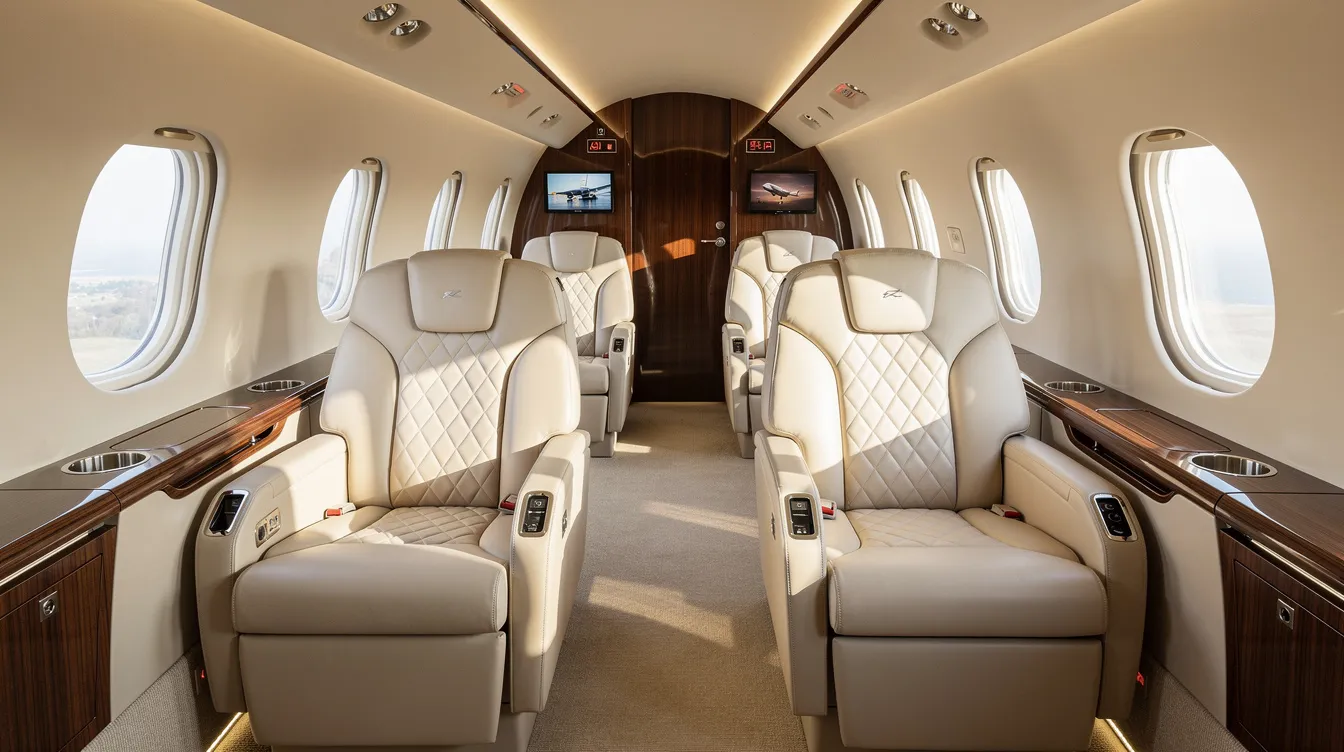
Light jets: Cruise at 350–450 knots (three times faster), with greater cabin and range.
Time savings: For travelers who regularly fly 400+ nautical mile legs, the time savings of a private jet often justifies the higher hourly rate.
Ownership vs Renting vs Private Jet Access
Three pathways exist for getting airborne, and each fits a different profile.
When Ownership Makes Sense
Flying 100–200+ hours per year
Need easy access to a personal plane for regional trips within 400–500 nm
Willing to manage hangar logistics, insurance, and regulatory compliance
Renting a Cessna 172
Typical wet rental rates: $130–$200 per hour depending on location, model, and avionics
No long-term commitment
Availability can be limited during holidays and peak weekends
BlackJet's Jet Card and Charter Model
Speed, privacy, and cabin comfort
Light or midsize jet replaces the ownership question entirely
Example: New York–Chicago in a 172 takes over five hours each way; a light jet does it in under two
For many high-net-worth individuals, the smartest plan is a blend: keep a 172 (or rent one) for weekend recreational flying, and handle serious business travel through a Jet Card. The cheapest single-engine plane can coexist with premium jet access when each serves a different mission.
Safety, Certification, and Maintenance Standards
Price and safety are inseparable. A cheaper aircraft is never a bargain if it comes with deferred maintenance, blocked logbook entries, or outdated equipment.
Logbook Essentials
Verify continuous maintenance history
Ensure compliance with all FAA airworthiness directives
Check for evidence of corrosion prevention
Modern Avionics and Situational Awareness
Glass cockpits with traffic, terrain, and weather displays improve safety
ADS-B equipped aircraft benefit both controllers and pilots
Owner vs. Operator Responsibility
Private owner: Manages inspections, maintenance scheduling, record keeping, and pilot currency
BlackJet: Applies strict third-party safety ratings and operator vetting across its partner fleet
Non-Negotiable
Sustainability and the True Cost of Flying
Environmental impact is increasingly part of the real cost equation, whether you're burning avgas in a piston single or Jet-A in a turbine.
Cessna 172 Emissions
8–10 GPH of 100LL avgas (contains lead)
Carbon footprint per flight hour is meaningful
On a per-passenger basis, short legs can compare favorably to driving
Carbon Offsets and SAF
BlackJet's Commitment
Every journey is carbon neutral at no extra cost to clients
Partnerships with operators adopting SAF and modern, fuel-efficient aircraft
Fewer, Smarter Trips
Technology, Easy Access, and the Hidden Value of Time
Every price discussion eventually comes down to time. The value of an airplane or private jet solution is largely measured in hours saved and friction removed.
Owning a 172
Provides easy access to the skies for local and regional flights
Requires self-dispatch, weather briefing, preflight planning, personal piloting skills, and currency
BlackJet's Digital Platform
Example Scenario
For executives, the "price" conversation must include opportunity cost - billable hours, family time, and flexibility. That's where private jets consistently deliver outsized value relative to their sticker cost.
Is a Cessna 172 Worth It for You? (Scenarios and Recommendations)
Value depends entirely on your mission profile, how often you're flying, and whether the flight is business, pleasure, or both.
Pilot-Owner Scenario
Private pilot building hours, valuing hands-on flying, and using the 172 for weekend trips within a few hundred miles
Ownership delivers genuine satisfaction and reasonable per-hour economics
Family Traveler Scenario
Corporate Executive Scenario
Run realistic annual cost comparisons. Factor in not just the dollar figures but also privacy, control of schedule, and the passenger experience. For many, the answer isn't one or the other - it's both, each serving a distinct purpose.
FAQs About Cessna 172 Price and Private Jet Alternatives
How much does it cost annually to own and operate a Cessna 172 if I fly 100 hours per year?
Fixed costs (hangar, insurance, annual inspection, subscriptions): $9,000–$12,000
Variable costs for 100 hours: $8,000–$11,000 in fuel and maintenance reserves
All-in: $18,000–$25,000 per year, or about $180–$250 per hour when depreciation and financing are included
Is buying an older, cheaper 172 a smart idea, or will maintenance wipe out the savings?
It can work if you carefully vet:
Engine SMOH (since major overhaul)
Corrosion history
Logbook completeness
Older aircraft frequently need overhauls, avionics upgrades, or structural repairs that cost tens of thousands—sometimes eliminating the initial savings entirely. Always budget for a thorough pre-buy inspection.
How does the hourly cost of flying my own 172 compare to chartering a light jet with BlackJet?
Owning a 172: $100–$200 per hour all-in
Light jet via Jet Card: $2,500–$5,000 per hour
The jet covers three times the distance in the same time, carries more passengers in greater comfort, and eliminates all ownership overhead. For certain routes and travel frequencies, the per-mile gap narrows considerably.
Can I offset the environmental impact of flying a Cessna 172?
What should I inspect first when evaluating a used Cessna 172 for purchase?
Engine time and overhaul history – the single largest future expense
Airframe logbooks – check for corrosion, damage history, and AD compliance
Avionics panel – ensure current regulatory compliance (especially ADS-B)
Interior, paint, and geographic history – coastal versus dry inland storage
Each factor can move the price by thousands.
Whether you're drawn to the first flight in your own Cessna or you'd rather step aboard a jet that's ready when you are, the right choice starts with understanding what ownership really costs - and what alternatives exist.
Discover how BlackJet can reshape your travel. Explore our Jet Card programs and see what it means to fly without the burden of ownership.


 Sign up with google
 Sign up with Apple