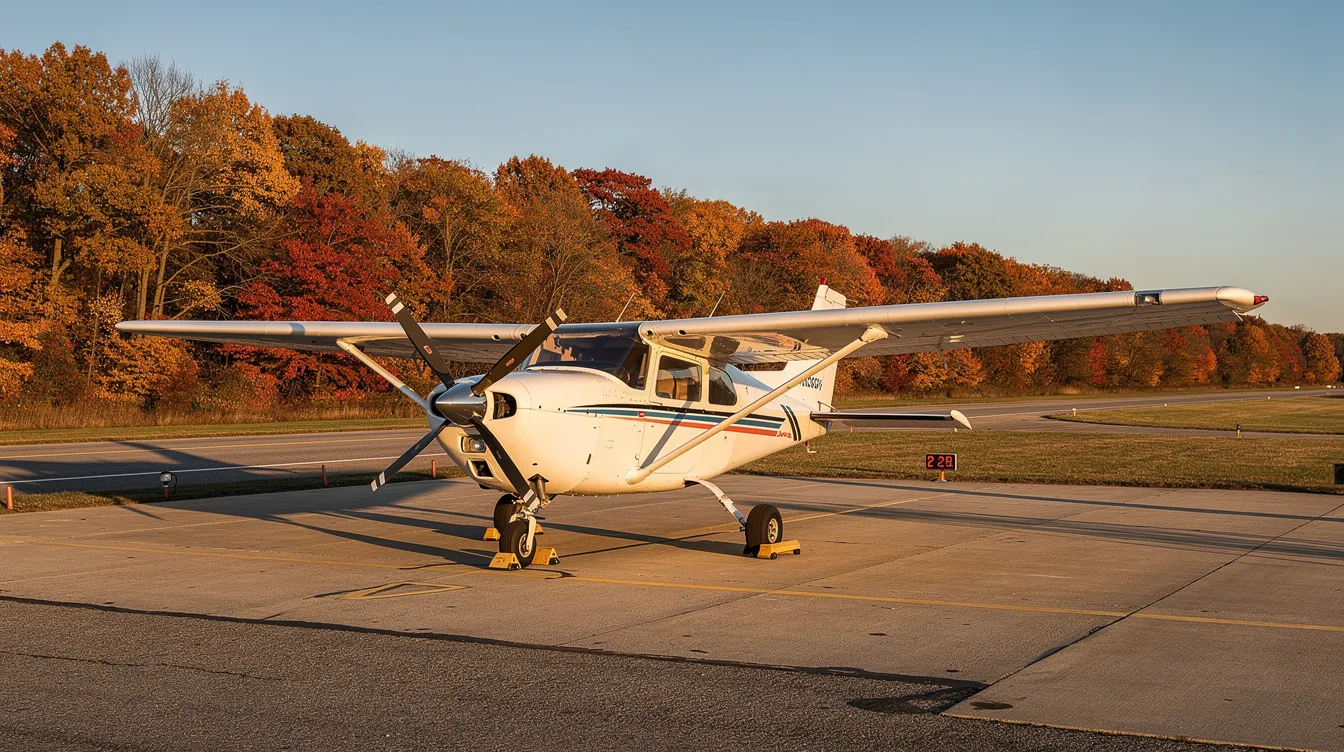
If you are searching for a Cessna 172 for sale in New York right now, you will typically find aircraft at airports such as White Plains (KHPN), Farmingdale (KFRG), Islip (KISP), and Buffalo (KBUF), with most listings centered on 1960s-1980s models priced roughly from $80,000 to $400,000 rather than new or late-model glass-cockpit examples. Built for serious New York buyers and pilots—whether you are an owner-operator, a flight school, or an executive pairing light-aircraft ownership with premium travel—this guide gives you the pricing data, variant breakdowns, search strategies, due-diligence checklists, financing and operating-cost benchmarks, safety and training considerations, and the broader market context you need to buy with confidence in 2026, including how BlackJet Jet Card access can complement regional Cessna ownership.
Quick Answers: Cessna 172 for Sale New York (Read This First)
Cessna 172 aircraft are available across New York airports including White Plains (KHPN), Farmingdale (KFRG), Islip (KISP), and Buffalo (KBUF), though inventory skews toward classic 1960s–1980s Skyhawks rather than late-model glass-cockpit examples. Current Cessna 172 market prices vary widely based on age and condition, with listings typically ranging from $80,000 to $400,000. Most model years on the New York market fall between the mid-1960s and early 1980s, with occasional G1000-equipped 2000s aircraft appearing at premium pricing. Average total time (TT) across recent sales sits around 3,500 to 9,000 hours, where lower-time airframes tend to reflect private owner care and higher-time examples often signal prior training or rental service.
BlackJet, a New York–based private aviation specialist, focuses on Jet Card programs and premium jet access through its premium private jet card services. While jets are the core offering, BlackJet can also provide purchase assistance for members evaluating light aircraft options, including the Cessna 172, for training, time-building, or complementary ownership alongside a jet card.
Here is a quick comparison for New York buyers weighing their options:
Factor | Buy a Cessna 172 in NY | Access Aircraft via BlackJet |
|---|
Upfront capital | $80,000–$400,000+ depending on variant | Pay only for flight hours; no ownership burden |
Best for | Training, local VFR/IFR flying, weekend trips | Multi-city business travel, long-haul, reliability |
Fixed costs | Hangar, insurance, maintenance, inspections | Included on the operator side |
Speed & range | 110–125 knots; regional legs | Jet-class speeds; continental and international |
Resale risk | Condition-sensitive; premium for low-time glass | No resale needed; access ends when membership ends |
Current Cessna 172 Aircraft Sales Listings & Pricing Trends in New York (2024–2026)
Unlike broad global marketplaces, the New York and Northeast corridor has its own pricing dynamics. Regional demand from flight schools at Republic, Westchester, Long Island, and Rochester keeps well-maintained Cessna 172 aircraft priced at a slight premium compared to equivalent airplane listings in some Midwestern states. Local New York listings often feature late-model used aircraft rather than factory-new Cessna 172s, and New York regional inventories emphasize late-model or refurbished examples. Seven Cessna 172 aircraft sold in the last six months in the broader Northeast market, and Cessna 172 listings typically stay active for about 107 days before finding a buyer.
Here is how pricing breaks down by decade in the New York market, which is especially relevant if you are comparing the 172 against the cheapest new plane options for aspiring pilots:
1960s models (172 / F172): Analog panels, often with upgraded radios, new paint on some; typically $130,000–$180,000 depending on condition and upgrades.
1970s–1980s (172M / N / P / Q): Better engine options, more usable fuel, some with IFR equipment and wheel pants; expect $180,000–$250,000+.
1990s–2000s (172R, 172S Skyhawk SP): Fuel-injected Lycoming IO-360 engines, modern avionics, sometimes full glass panels; $300,000–$450,000.
2010+: Rare in New York; mostly overhauled or STC-modified examples commanding $450,000+ when the interior, TT, and avionics are exceptional.
A representative listing might be a 1978 cessna 172N based at KFRG with approximately 6,000 TT, a mid-time engine, Garmin GPS with ads b compliance, priced around $195,000. At the higher end, a 2006 Cessna 172S with G1000 glass cockpit based at KHPN with roughly 3,200 TT might show an asking price near $395,000. Factory-new Cessna 172 listings are rare in New York; they are usually managed nationally. Factory-new Cessna 172S Skyhawk SP models typically range from $600,000 to $672,000 when ordered through Textron Aviation.
Understanding the Cessna 172 Skyhawk: Why New York Pilots Love It
The Cessna 172 Skyhawk is the world's most-produced light aircraft. The cessna 172 first flew in 1955, and over 44,000 cessna 172 aircraft have been built since 1956-a production run unmatched in general aviation history. It remains a fixture on New York ramps from Syracuse to Farmingdale.
Key facts that explain its enduring appeal for New York pilot communities:
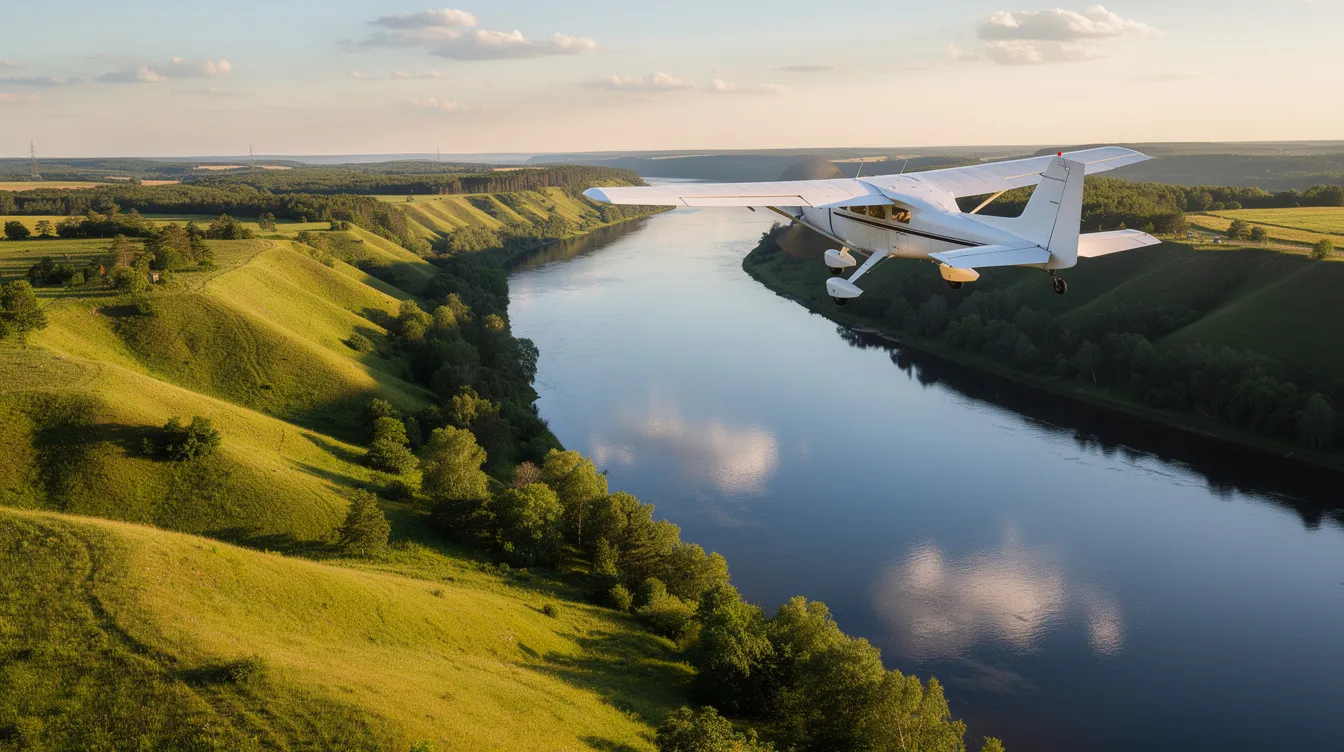
A 4-seat, single-engine, high-wing configuration provides excellent visibility for Hudson River corridor sightseeing, weekend trips to the Hamptons, and training in busy Northeast airspace.
The Cessna 172 has a cruise speed of 302 km/h (roughly 110–125 knots depending on variant), a maximum range of 1,289 km (approximately 600–700 nautical miles), and a fuel capacity of 212 liters-making New York to Boston, Washington D.C., or even Toronto into Canada realistic legs.
Forgiving handling characteristics and durable landing gear with sturdy wheels suit shorter and occasionally rougher upstate runways, a detail that inspires pride among owner-pilots who fly across diverse terrain.
Strong resale demand and abundant parts from Cessna aircraft service centers across the USA keep the airplane viable for decades.
Compared to alternatives like the Piper Warrior or Diamond DA40, many NY flight schools still favor the 172 for its low operating costs, parts availability, and the sheer volume of maintenance expertise in the region—considering it alongside other top small private aircraft options can clarify whether the Skyhawk truly fits your mission.
Popular Cessna 172 Variants You'll See for Sale in New York
New York's used market is diverse, and buyers should understand what each variant offers before they buy:
1960s–early 1970s Cessna 172 / F172: Analog panels, basic radios (sometimes with updated intercom systems), minimal IFR equipment. These are ideal for budget-conscious buyers and basic VFR training. Expect lower useful load and simpler features. Pricing in New York sits in the $130,000–$180,000 range.
1970s–1980s 172N / 172P / 172Q: More horsepower options, improved seats, occasionally STOL-modified or equipped for floatplane operations on New York's lakes. Some come with nice wheel pants, upgraded propellers, and better panels. These represent middle-ground value at $180,000–$250,000 and often appeal to buyers who are also researching the best options for the cheapest plane.
172R and 172S Skyhawk SP (late 1990s onward): Fuel-injected Lycoming IO-360 engine, often IFR-ready with autopilot. Strong appeal to serious instrument students and owner-pilots who want performance and reliability. Priced $300,000–$450,000 depending on avionics and TT.
G1000-equipped Cessna 172S models: Full Garmin glass cockpit that mirrors modern business aviation environments. These are sought after by New York pilots who want skill-transfer between their personal plane and larger jets. Expect to pay $350,000–$450,000+ for low-time, well-maintained examples.
Flight schools tend to rotate through 172N/P/R models, which means those airframes may carry higher total time and more wear. Owner-pilot aircraft-often 172S or SP variants-typically show lower hours and more careful maintenance.
How to Search Effectively for a Cessna 172 for Sale in New York with Aircraft Brokers
New York buyers compete with both local and out-of-state purchasers for clean Cessna 172 aircraft, so a deliberate search strategy is essential. Finding a Cessna 172 for sale involves checking aviation marketplaces and aircraft brokers, and the Cessna 172 is frequently listed through online aviation marketplaces. Cessna 172 listings can be found globally on various platforms, and many budget-focused buyers also look at the cheapest planes across the used market, but here is how to focus your search on New York:
Use national aircraft sales platforms with regional filters. Controller updates local New York listings for single-engine piston aircraft frequently. Searching national inventory on Trade-A-Plane helps track private sellers of Cessna 172s, and buyers should review each platform’s website details carefully before inquiring. GlobalAir aggregates verified listings for pre-owned single-engine aircraft, including Cessna 172s- recent data shows 5 Cessna 172 aircraft available on GlobalAir.com. Local inventory search for Cessna 172s can also be done through regional airports and compared with other budget-friendly private aircraft options to ensure the 172 still makes financial sense for your mission.
Check airport bulletin boards at fields like KFRG, KISP, KPOU, KROC, KSYR, and KALB. Regional listings for Cessna 172s can be found at various New York airparks and airports.
Contact local aircraft brokers who specialize in Cessna aircraft and may have off-market listings. Firms like Graham Aviation Sales and other Northeast brokers can assist with sourcing. National brokers often list brand-new Cessna 172 delivery slots as well, similar to how premium firms present UK private jets for sale to luxury buyers. New factory Cessna 172 Skyhawks are typically ordered through Textron Aviation or national brokers.
Network with flight schools and flying clubs at Republic, Westchester, and Stewart that periodically sell trainers. Talk to chief instructors-they often know which planes are ready to sell before they hit the open market.
Monitor seasonal patterns. More Cessna 172 listings emerge in late spring and late fall, often around July through September and again in November, as training fleets adjust and private owners reassess hangar costs.
Pre-arrange hangar or tie-down space at your target New York airport before committing to a purchase. Some fields have waitlists that can delay your timeline immediately if not addressed early.
What to Evaluate on a Used Cessna 172 Before You Buy: Total Time and More
Due diligence on a used Cessna 172 aircraft in New York must account for coastal weather, high-cycle training use, and congested airspace. Cessna 172 aircraft sold recently had an average total time of 6,651 hours, so understanding what that number means for your specific candidate is critical, especially if low purchase price is a priority and you have compared it to other cheapest new plane options. Here is what to evaluate, alongside the financing implications discussed in this essential guide to financing an airplane:
Total time (TT), engine TSO, and propeller time. An engine approaching TBO (typically ~2,000 hours) will need overhaul soon, which affects pricing by $30,000–$50,000. Request detailed logs.
Corrosion risks. Salt air at coastal airports like KISP and Montauk, plus winter de-icing fluids at larger fields, accelerate corrosion. Hangared aircraft fare better than outside tie-downs.
Damage history. Review airframe history for any prior incidents, repairs, or gaps in logbooks. Prior training or rental use typically means more hard landings and higher wear cycles.
Avionics fit. Confirm IFR-certified GPS, ads b Out compliance (mandatory for New York Class B/C airspace), autopilot capability, and whether the panel includes an updated intercom. Upgrades to a modern panel can cost $15,000–$50,000+.
Common STCs and upgrades. STOL kits, 180 HP engine conversions, long-range tanks, new paint, and interior refurbishment all affect utility and resale value. Verify each modification has FAA approval and proper documents.
Inspections and AD compliance. Confirm annual inspections (and 100-hour if applicable), Airworthiness Directives compliance, and records from any New York–based maintenance facility. Verification of these records is non-negotiable.
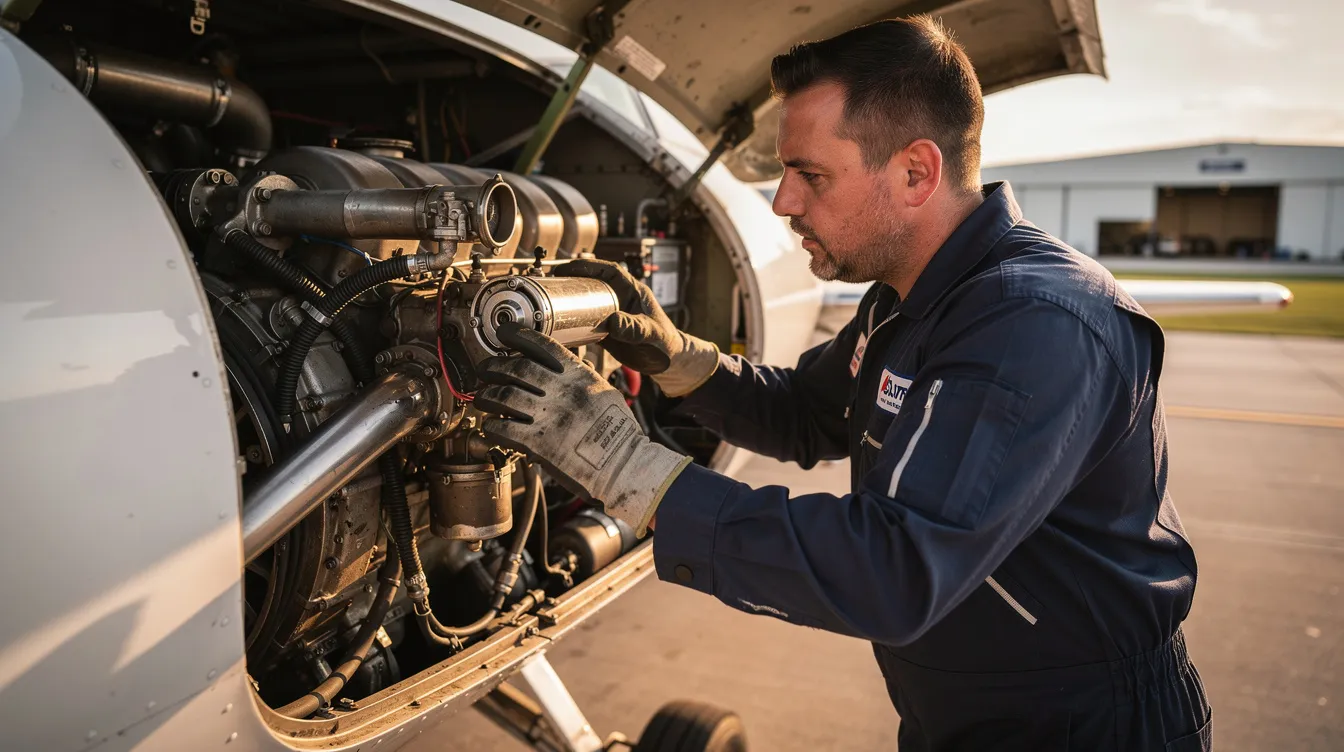
Independent pre-buy inspection. Hire an A&P/IA familiar with Cessna 172 aircraft and Northeast weather impacts. This step can protect your investment and give you negotiation leverage.
Financing, Insurance, and Operating Costs for a Cessna 172 in New York
The purchase price is only the opening chapter. New York hangar fees, insurance, and maintenance can add 10–15% of the aircraft's value annually.
Financing. Lenders typically require 20–30% down on a $150,000–$400,000 Cessna 172, with terms of 5–10 years. AirMart partners with aviation lenders for financing options and offers low-rate financing for Cessna 172 purchases. AvPay connects buyers with specialist aviation finance companies. Financing terms are tailored on a case-by-case basis, and Cessna 172 financing options include expert guidance throughout the loan process, similar to the broader strategies outlined in this essential guide to financing an airplane. Lenders weigh aircraft age, engine time, avionics, and borrower experience.
Insurance. Annual premiums for hull plus liability typically range from $2,200 to $4,000 for private use. New York operations near dense populations and major Class B airspace may push liability minimums higher. Work with specialist aviation insurance brokers who understand Cessna 172 risk profiles.
Hangar and tie-down. T-hangars near NYC run $600–$1,200+ per month. Outdoor tie-downs cost $75–$300 monthly but increase weather exposure and corrosion risk.
Fuel and maintenance. A 172S burns roughly 8–10 GPH at cruise. Budget $5,000–$10,000 annually for maintenance reserves, plus periodic avionics service. An example annual breakdown for basing a Cessna 172 in New York: hangar ~$9,600, insurance ~$3,000, maintenance reserve ~$7,500, fuel for 100–150 hours ~$6,000–$10,000. Total fixed costs before you fly can easily reach $20,000–$30,000 per year.
Safety, Training, and How BlackJet Fits into Your Cessna 172 Journey
A Cessna 172 is widely regarded as one of the safest small planes in general aviation-but it is only as safe as its training, maintenance, and operational discipline. Many New York pilots use a Cessna 172 for primary training, instrument ratings, and currency while relying on private jets for business-critical travel, sometimes even buying individual seats on private jets rather than chartering entire aircraft.
Formal training at Part 141 schools around New York matters, especially in congested airspace where standardized procedures reduce risk. BlackJet applies a similar philosophy to jet travel: third-party safety ratings, vetted operators, and proprietary certification standards ensure every flight meets rigorous safety benchmarks—standards that also apply when evaluating the features of a $5 million private jet and other larger aircraft. That same risk-aware mindset should inform how you select, maintain, and operate your Cessna 172.
Consider a practical example: a New York executive who takes pride in owning a Cessna 172 based at KPOU for weekend flying and local IFR training. For high-stakes business trips to Chicago, Miami, or even France, they rely on a 25-hour BlackJet Jet Card or the broader BlackJet 25+ Hour Jet Card program-ensuring each mission uses the right equipment for the job. BlackJet's carbon-neutral program also resonates with light-aircraft owners who care about sustainability; consider offsetting your piston flying as part of a broader environmental commitment.
When a Jet Card Beats Owning a Cessna 172 (and When It Doesn't)
The trade-off between owning a Cessna 172 and leveraging a Jet Card for regional and long-haul missions comes down to mission profile and an understanding of how jet card pricing structures actually work:
Short-range VFR/IFR leisure and training: A Cessna 172 wins on cost per hour and scheduling flexibility. You fly when you want, build hours, and enjoy the craft of flying.
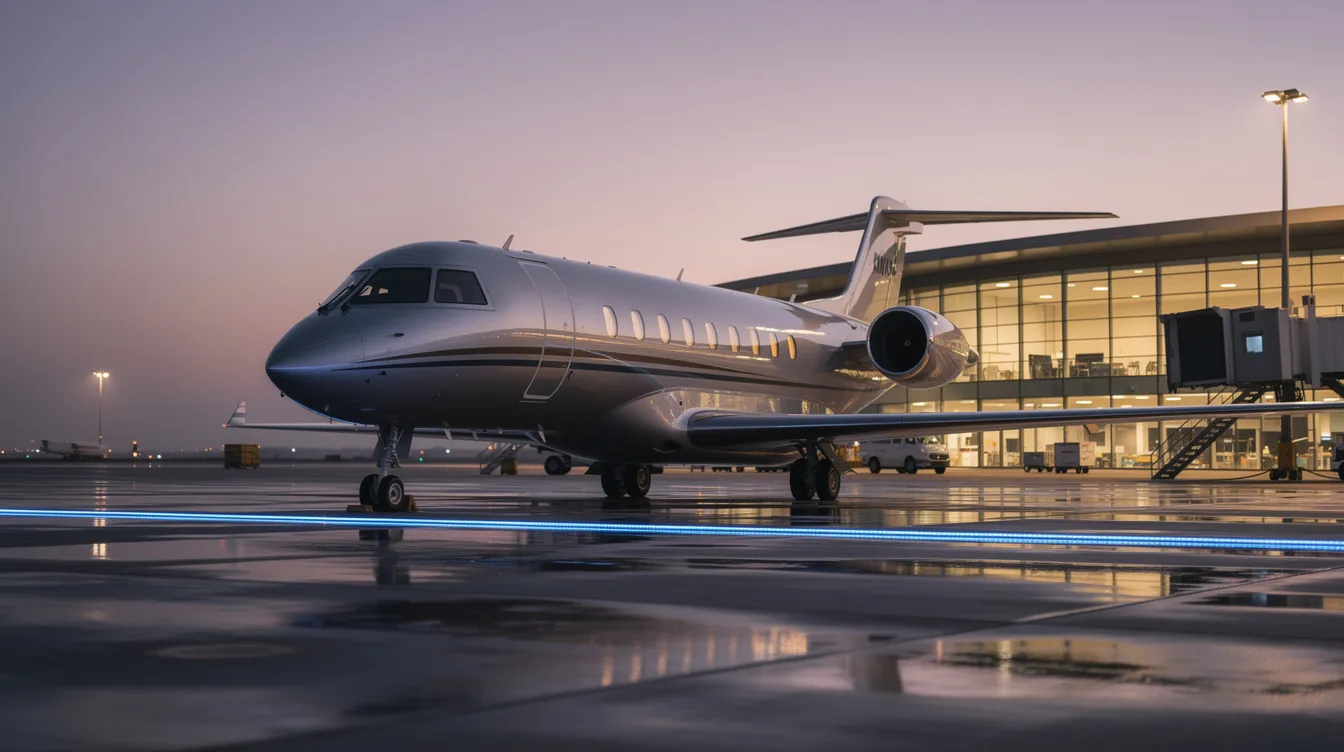
Multi-city business days or long-haul travel: A mid-size jet from Teterboro or White Plains to Chicago takes roughly 2 hours versus 6+ in a piston single, with no weather-related traffic delays, pressurized comfort for up to 14 passengers, and dedicated workspaces.
Annual cost comparison: Operating a Cessna 172 in New York costs $20,000–$30,000+ annually in fixed expenses alone. A 25-hour or 50-hour BlackJet Jet Card spreads the cost of professional crews, maintenance, and scheduling across your actual usage—many clients use both, and they benchmark those expenses against a detailed 100-hour jet card cost guide or a comprehensive 50-hour jet card cost breakdown.
Weather resilience and safety: Professionally crewed, all-weather jets keep a schedule that a light piston single simply cannot during winter frontal systems or icing conditions.
For New York–based executives and high-net-worth individuals, a Cessna 172 can be an exceptional personal plane. But serious business travel should be backed by a reliable jet card or charter solution that shows up when the mission demands it, ideally chosen with a clear grasp of overall jet card costs, the best jet card options for frequent flyers, and how specific providers like NetJets structure their jet card pricing and value.
Step-by-Step: From New York Cessna 172 Buyer to Confident Private Aviator
Here is a roadmap that turns everything above into a clear sequence of action:
Define your mission. Local training, time-building, family trips from New York to New England, or a strategic mix of all three.
Confirm budget and finance limits. Include realistic annual running costs in New York-not just the purchase price- and if you are using a jet card for business travel, factor in potential advantages from maximizing your jet card tax deductions.
Start searching. Combine online aircraft sales platforms, listing website filters, New York broker outreach, and word-of-mouth at local airports. Contact sellers immediately when a promising listing appears; good Cessna 172 aircraft move quickly.
Shortlist 2–4 candidates. Request logbook scans, maintenance history, and engine/propeller details for each.
Arrange a pre-buy inspection by a Cessna-savvy mechanic. Use findings on TT, engine time, avionics, and corrosion to negotiate pricing with clear contingencies.
Secure insurance, registration, and base. If needed, arrange a ferry pilot to bring the aircraft to your chosen New York airport. Handle all documents and registration promptly.
Build a training plan with a New York–based instructor for PPL, IFR, or recurrent training, and establish a maintenance relationship with a trusted local shop.
Consider integrating a BlackJet Jet Card for longer-range business or family travel, ensuring every mission uses the right aircraft category-from a 172 on a Saturday morning to a mid-size jet on a Monday morning.
The goal is not just to find a Cessna 172 for sale in New York. It is to become a safe, strategic private aviator with the right mix of options at your disposal.
Frequently Asked Questions: Cessna 172 for Sale New York
These questions reflect what New York buyers most frequently ask about Cessna 172 aircraft, aircraft sales, and private jet alternatives.
What does a good used Cessna 172 cost in New York in 2026?
Expect $130,000–$220,000 for well-maintained 1970s–1980s models and $300,000–$450,000 for low-time, glass-panel SP/S variants. Cessna 172 listings typically range from $80,000 to $400,000 across the broader market, with condition and avionics driving the spread.
Is it better to buy in New York or look in other states?
Buyers sometimes find lower prices in Texas, New Mexico, or the Midwest. However, you must factor in ferry costs, pre-buy inspection travel, potential state tax differences, and the risk of purchasing an aircraft sight-unseen. Many buyers ultimately purchase within the Northeast for convenience, even when they could alternatively pursue cheapest private aircraft options elsewhere or focus on the most affordable private jet solutions instead of piston ownership.
How many hours are too many?
Airframes above 8,000–9,000 TT lose value steeply. High training cycles matter more than raw TT-an engine near TBO is a bigger concern than moderate airframe hours on a well-maintained private aircraft.
Can I train for my Private and Instrument Rating in my owCessnana 172?
Yes. If your 172 is IFR equipped, many Part 61 and 141 programs in New York will use your aircraft for training, subject to instructor availability and your insurance policy.
What are common red flags in logbooks?
Missing entries, unexplained gaps, incomplete damage history documentation, repairs without STC approval, and missing verification of major inspections. Incomplete logs are a reason to walk away or negotiate aggressively.
How long does it take to complete a purchase?
Once you find the right Skyhawk, expect 4–8 weeks for negotiation, pre-buy inspections, finance approval, insurance, and registration. Longer if an engine overhaul or ferry from out-of-state is needed.
What's the difference between working with aircraft brokers and buying directly from an owner?
Brokers assist with inspections, financing, and transparency but charge commission. Owner sales may offer lower pricing but carry more risk around maintenance history and logbook completeness.
How does owning Cessnana 172 compare with using a Jet Card?
Owning gives you unmatched flexibility for local and leisure missions. A Jet Card like BlackJet's delivers speed, comfort, and reliability for business aviation and long-haul trips, and becomes especially compelling when you look at billionaire private jet price trends and evolving access models. Many clients lease or own a 172 for personal flying while holding a Jet Card for everything else.
Are New York airports friendly to new owners?
Some smaller fields have hangar waitlists and strict noise abatement rules. Fees vary significantly. Research your target airport's options, available services, and any traffic restrictions before you commit.
Conclusion: Navigating the New York Cessna 172 Market with Confidence
Purchasing aCessnaa 172 for sale in New York offers an exceptional opportunity to combine classic aircraft ownership with the dynamic lifestyle of the Northeast. With a broad range of models available—from vintage 1960s Skyhawks to modern glass-cockpit variants—buyers can find an aircraft tailored to training, leisure, or personal missions. However, the complexities of regional pricing, maintenance, and operational costs require a strategic approach backed by thorough due diligence.
Integrating BlackJet’s Jet Card program complementCessnana 172 ownership by providing access to faster, longer-range jets for business-critical travel, ensuring safety, convenience, and sustainability without the burdens of ownership. Whether you are a pilot building hours or a high-net-worth individual balancing multiple travel needs, understanding the nuances of thCessnana 172 market alongside premium private jet access elevates your aviation experience.
Explore New York’Cessnana 172 offerings with confidence, backed by expert advice, financing solutions, and a commitment to safety and sustainability. Discover how BlackJet can reshape your travel by seamlessly blending the world’s most iconic light aircraft with the premier private jet services you deserve.


 Sign up with google
 Sign up with Apple