This guide is for executives, frequent travelers, and anyone considering premium air travel options. If you are evaluating whether a business class airline, a business-class-only carrier, first class, or a private jet is the best fit for your needs, you are in the right place. We compare business class airlines, business-class-only carriers, first class, and private jet options to help you choose the best fit for your needs.
For years, the business class airline experience was the benchmark for premium travel: better seats, better food, better sleep, and fewer interruptions. Traveling in business class offers a premium, low-stress experience designed for comfort and productivity. But for executives, founders, family offices, and frequent travelers, private jet access is no longer just a luxury; it is a strategic advantage, especially when you consider the most expensive private jet options in luxury travel. This guide compares business class, first class, business-class-only carriers, and BlackJet’s Jet Card model for travelers who want more control over every journey.
Why “Business Class” Is No Longer the Ceiling for Premium Travel
On long-haul flights such as New York to London, New York to Dubai in the Middle East, or Los Angeles to Paris, business class can be excellent. Yet even the best products across other airlines still require the airport process: early arrival, security, boarding groups, baggage, and fixed schedules.
Airport Process Comparison
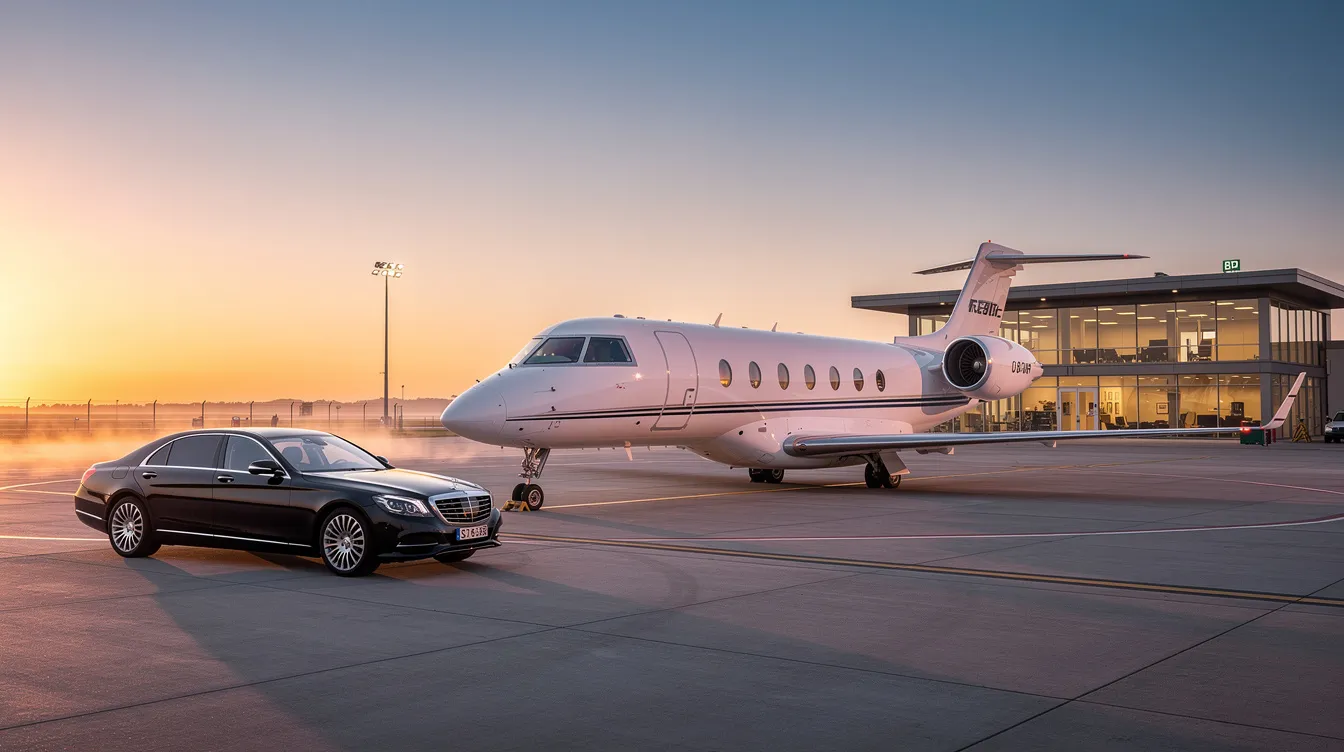
Private aviation changes the equation. Instead of reaching JFK or LAX two to three hours early, a BlackJet member can often arrive at a private terminal shortly before the flight.
That can save 2–3 hours versus commercial terminals, especially when routing from Teterboro instead of JFK, Van Nuys instead of LAX, or London Farnborough instead of Heathrow.
The difference is not only time.
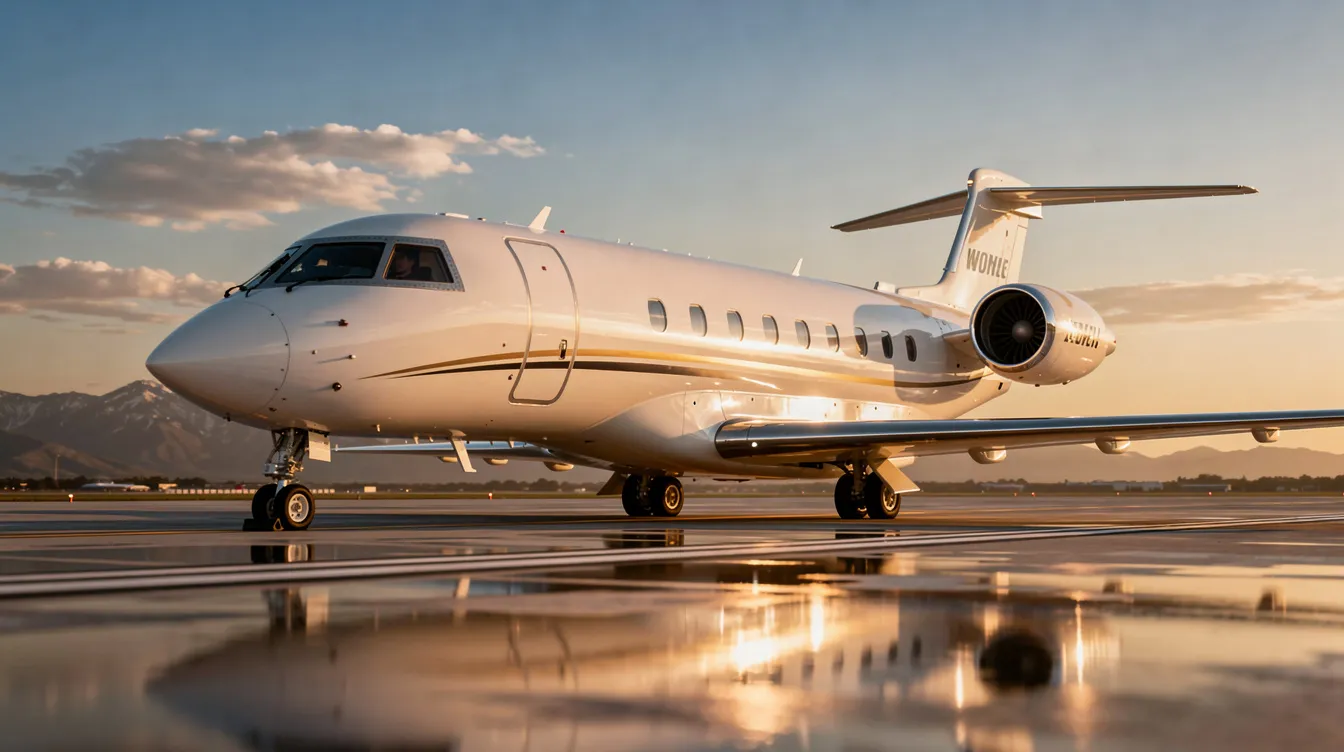
Many business class cabins hold 40–70 passengers, while private aviation gives you the entire cabin, and for very large groups, there are dedicated private jets for up to 50 passengers and more focused options when you only need a private jet for around 20 passengers.
A CEO can hold confidential calls, sleep between meetings, and schedule back-to-back appointments across New York and Europe within a 48-hour window.
BlackJet’s Jet Card model and private aviation services—prepaid access to private aircraft without the ownership burden of a plane- deliver the comfort of a business class seat or first class suite with far more flexibility.
As you consider the advantages of private aviation, it’s important to understand what defines a modern business class airline experience.
What Defines a Modern Business Class Airline Experience
A business class airline is an airline or flight configuration where the primary offering is a premium cabin with lie-flat seats, priority services, and enhanced dining, as opposed to standard economy seating. This means that business class typically offers a premium, low-stress experience designed for comfort and productivity, with significant upgrades over economy class.
A modern business class airline experience in 2024–2026 is built around rest, space, priority access, and service. Major airlines such as Qatar Airways, Singapore Airlines, and All Nippon Airways (ANA) are globally recognized for exceptional business class services, and the Skytrax World Airline Awards recognize airlines for innovative cabin engineering and hospitality.
Key features of a business class airline include:
Lie-flat seats on long-haul flights provide a significant upgrade in comfort compared to economy class seating.
Direct aisle access, dedicated overhead bins, privacy partitions, and more room than premium economy in many newer cabins.
Priority check-in and boarding, as well as access to airport lounges, enhance the overall travel experience.
In-flight entertainment with 15–30 inch screens, Wi-Fi, power outlets, movies, series, and noise-canceling headphones.
Multi-course in-flight dining with a choice of entrees, complimentary alcoholic beverages, and premium wines.
Amenity kits, priority baggage handling, and attentive cabin crews, though quality varies by route, aircraft, and airline.
Private jets like BlackJet deliver these benefits without asking business class passengers to share the cabin with dozens of strangers.
Now, let’s take a closer look inside the business class cabin to see how these features come together.
Inside the Business Class Cabin: Seats, Lounges, and Inflight Entertainment
The business class cabin is designed to maximize comfort, privacy, and productivity. Here’s what you can expect:
The Business Class Seat
Fully flat beds of roughly 75–80 inches on long-haul aircraft.
19–22 inches of width in many cabins, with some products offering even more space.
Some short-haul and regional flights may still feature angled-flat seats.
The Lounge
Priority access to business class lounges.
Amenities such as showers, buffet dining, quiet zones, and work areas.
Enhanced airport experience at major hubs like New York, Paris, London, and Middle East cities.
Entertainment and Connectivity
HD or 4K screens for in-flight entertainment.
Live TV on select routes, satellite Wi-Fi, and power outlets.
Curated catalogs of movies, series, and music, depending on the airline and aircraft.
Recognized Leaders
Qatar Airways: Recognized as the World's Best Business Class Airline, with its Q-Suite winning the award for the World's Best Business Class seat, even though private jets often fly higher and more directly, as explained in how private jet cruising altitudes compare to commercial flights.
Singapore Airlines: Ranked as the second-best business class airline in 2019, known for its A380 Business class offering that includes direct aisle access and high-speed Wi-Fi.
Turkish Airlines: Multiple-time winner of the Best Business Class Onboard Catering award, highlighting its commitment to quality dining experiences.
ANA All Nippon Airways: Highly regarded for customer service and comfortable business class seats that recline into a fully flat position, with a focus on quality Japanese cuisine.
BlackJet Comparison
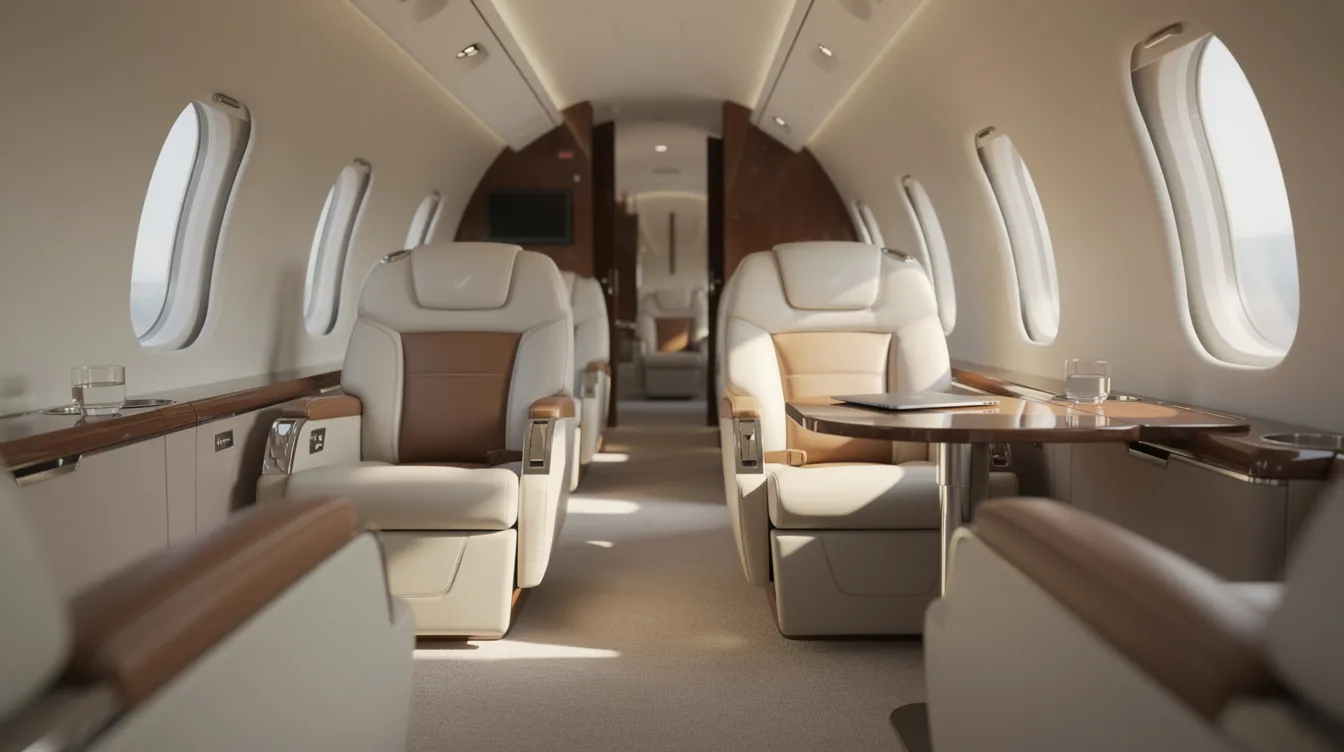
BlackJet flights replace the formal lounge with private FBO terminals, quiet rooms, car-to-aircraft transfers, and a cabin arranged for your travel needs.
With a clear understanding of the business class cabin, let’s explore airlines that specialize exclusively in this premium experience.
Business Class Only Airlines: La Compagnie and Beyond
A business-class-only airline operates flights configured exclusively with business-class seats: no economy, no premium economy, and no first class. Business class only airlines operate flights that are configured exclusively with business class seats, providing a consistent premium experience for all passengers.
La Compagnie and BeOnd are two notable airlines that exclusively offer business class services, focusing on comfort and luxury for their passengers. La Compagnie operates Airbus A321neo aircraft with 76 business class seats on routes such as Paris Orly–Newark, seasonal Nice–New York, and Milan–New York.
These carriers appeal to travelers who want:
Fewer passengers and a quieter cabin.
Lie-flat seats and gourmet meals.
Lounge access and competitive or discounted fares versus legacy carriers on the same route.
Enhanced services such as lounge access, lie-flat seating, and gourmet meals, all tailored to a premium travel experience.
There are operational realities to consider:
Smaller fleets, sometimes only two to six aircraft, mean fewer daily frequencies and more exposure to delays if one aircraft leaves service.
A New York–Paris frequent flyer may enjoy the consistency, but still must follow a commercial schedule, board at a fixed time, and travel through airport processes, which leads some travelers to explore how to buy a seat on a private jet as an alternative.
BlackJet is not another airline. It is private aviation: business-class-only comfort on your schedule, from many more cities than Paris or Milan, which reframes how you evaluate whether chartering a private jet is worth it compared with sticking to premium commercial cabins.
Now, let’s compare these options directly to private jet travel.
Business Class vs First Class vs Private Jet: How They Really Compare
Travelers often compare business class with first class, but the more revealing comparison is business class vs private jet, whether for global hubs or emerging markets like private jet charters in Karachi. Here’s how they stack up:
Feature | Business Class | First Class | Private Jet (BlackJet) |
|---|
Cabin Size | 40–70 passengers | 4–8 passengers | Entire aircraft, customizable size |
Seating | Lie-flat beds (long-haul) | Enclosed suites | Fully customizable, private |
Airport Access | Commercial terminals | Commercial terminals | Private terminals (FBOs) |
Boarding | Priority boarding | Priority boarding | Minutes before departure |
Scheduling | Fixed schedules | Fixed schedules | Flexible departure times |
Privacy | Shared cabin | Shared cabin | Exclusive cabin |
In-flight Dining | Multi-course meals, premium wines | Gourmet, personalized | Tailored catering |
Price Range (Round-trip) | $3,000–$7,000 | $10,000+ | Varies by hour package |
Lounge Access | Yes | Yes | Private lounges or quiet rooms |
Flight Support | Standard airline staff | Premium airline staff | 24/7 dedicated support |
The productivity difference can matter more than the price. Private jet travel supports boarding minutes before departure, confidential calls, tailored catering, and real rest, while even the first row of a premium commercial cabin remains public.
BlackJet Jet Card members prepay for a block of flight hours, such as 25-hour or 50-hour plans, instead of buying individual business or first-class tickets each trip, a structure that aligns with the broader guide to understanding jet card cost and membership pricing, and a more detailed breakdown of jet card cost per hour. A Jet Card is a prepaid program that gives members access to private aircraft for a set number of hours, offering flexibility and convenience without the need for full aircraft ownership. Different structures are outlined in a complete guide to jet card pricing and benefits.
Next, let’s examine why many business-class-only airlines struggle and what that means for your travel choices.
Why Many Business Class Only Airlines Struggle – and What That Means for You
The all-business model is difficult because long-haul flights require premium demand every day, in both directions. Here are some key challenges:
Business class seats take far more floor space than economy and may need to sell at several multiples of the economy price to cover costs.
Corporate policies often restrict high fares, while travelers may prefer frequency and network reach from major airlines.
A business-class-only airline may use secondary airports, seasonal routes, or limited schedules, which can be inconvenient.
The lesson: relying only on a boutique airline can limit flexibility.
BlackJet is not constrained by filling 70+ business class seats; each Jet Card member accesses the right aircraft for the trip, from light jets and turboprops to other options similar to those in a guide to the best small private aircraft for every need and broader insights into the cheapest private aircraft and budget-friendly options.
With these challenges in mind, let’s look at how private jets offer the next step up from business class.
Private Jets as the Next Step Up from Business Class
Travelers who routinely fly business to New York, Europe, Australia, or the Middle East often reach a tipping point where understanding the broader private jet price list, costs, and options and a detailed guide on how much it costs to rent a private jet shows how private jet access delivers more value per hour.
Private Jet Flexibility
Key advantages of private jet travel include:
Flexibility: Depart from Teterboro, White Plains, Van Nuys, or regional airports at the moment you choose.
Privacy and security: No queues, no overhead bin competition, no public cabin, and no strangers hearing business discussions.
Jet Card advantages: BlackJet offers prepaid 25-hour and 50-hour cards, including its BlackJet 25+ Hour Jet Card program with predictable hourly rates, multiple aircraft categories, and 24/7 flight support, similar in concept to industry-standard 25 hour jet card features and costs.
Service quality: Catering, pets, equipment, dietary preferences, and cabin setup can be tailored.
For example, a New York executive can fly New York–Toronto–Chicago–New York in two days. On commercial business class, that schedule may mean queues, delays, and lost half-days. With BlackJet, the aircraft supports the schedule.
Now, let’s discuss how safety, certification, and service are handled in private aviation.
Safety, Certification, and Exceptional Service in Private Aviation
Safety and service matter as much as cabin comfort. Here’s how standards compare:
Commercial standard: Major airlines operate under strict regulatory oversight, standardized maintenance, and trained crews.
BlackJet approach: BlackJet uses operators that meet or exceed FAA and international standards, with safety audits, pilot flight-time minimums, standardized operating procedures, and third-party ratings such as ARG/US or Wyvern as part of its proprietary selection process.
Crew continuity: Private aviation can allow aircraft-type preferences and more consistent crew planning than generic airline rotations.
Service culture: BlackJet tracks onboard preferences, ground transportation, cabin setup, and food requirements across journeys, rather than applying one-size-fits-all service, a level of personalization that stands out even among top private jet companies for luxury travel.
With safety and service addressed, it’s important to consider the environmental impact of premium travel.
Sustainability: Business Class Emissions vs Carbon-Neutral Private Flights
Premium flying has an environmental cost, and responsible providers should address it clearly. About 2% of global carbon emissions are produced by the aviation industry, primarily from burning fuel in aircraft.
Flying business class generates higher emissions than economy class, largely due to the increased space per passenger.
For long-haul flights, carbon emissions per passenger per kilometer traveled are roughly three times higher in business class and four times higher in first class, according to the Department for Business, Energy and Industrial Strategy (BEIS)
. This data is reflected in the UK government’s greenhouse gas conversion factors.
Private jets typically emit more per passenger, but routing and aircraft choice matter.
BlackJet ensures every Jet Card flight is carbon neutral through automatic carbon offsetting across verified projects such as reforestation, clean energy, and SAF-linked initiatives, while travelers focused on budget can still explore strategies to fly private more cheaply without compromising on responsibility.
Choosing a light jet for New York–Boston instead of a large cabin jet also helps reduce unnecessary fuel burn, and complements other strategies discussed when exploring the cheapest private jet and affordable access options.
If you’re considering a Jet Card, here’s how the program works for former business class flyers.
How BlackJet Jet Cards Work for Former Business Class Flyers
A Jet Card is practical for travelers who currently pay for multiple business and first-class tickets every year, and it shares many of the benefits outlined in the best jet cards for frequent flyers. Here’s how it works:
Jet Card Structure and Booking
Structure: BlackJet offers prepaid packages such as 25-hour and 50-hour cards, with fixed hourly rates across light, midsize, super-midsize, and large cabin aircraft, aligning aircraft selection with the main types of private jets for every traveler.
Booking: Members request flights through mobile or web tools, with real-time human support for complex or last-minute plans.
Cost comparison: A traveler spending $80,000–$150,000 per year on long-haul business class and occasional first class can redirect part of that cost into predictable private flight hours, similar in structure to a 50-hour Jet Card cost framework and detailed comparisons like understanding NetJets jet card cost.
Use cases: Regional board meetings, New York–Florida family travel, New York–Los Angeles flights, and select transatlantic missions.
The benefit is simplicity: no constant fare shopping, no guessing which airline product will operate, and no waiting for the latest premium cabin news to decide.
With all these options in mind, let’s summarize how to choose the best fit for your travel needs.
Choosing Between Business Class, Business Class Only Airlines, and BlackJet
Each option has its place. Consider the following when making your decision:
Choose traditional business class for infrequent solo trips, strong nonstop routes, loyalty benefits, or when cost is the deciding factor.
Choose La Compagnie or another business class-only airline for specific city pairs like Paris–New York or Milan–New York when schedules work.
Choose BlackJet when you fly 5–10+ times per year, need secondary cities, value privacy, or want maximum control over timing and service.
Review your past 12–24 months of fares, delays, airport time, and overnight stays. Then compare those lost hours with private jet time.
That is how private jet access reshapes the premium travel landscape, offering unparalleled flexibility, privacy, and control that traditional business class airlines cannot match. For discerning travelers, BlackJet’s Jet Card program transforms the way you fly, turning every journey into a seamless, efficient, and luxurious experience tailored to your schedule and preferences.
Frequently Asked Questions (FAQs)
What are the main benefits of flying business class compared to economy?
Business class offers lie-flat seats on long-haul flights, priority check-in and boarding, access to premium lounges, multi-course dining with complimentary alcoholic beverages, and enhanced in-flight entertainment. These features provide a more comfortable, productive, and low-stress travel experience.
How do business class only airlines differ from traditional airlines?
Business class only airlines, such as La Compagnie and BeOnd, operate aircraft configured exclusively with business class seats. This means all passengers enjoy lie-flat seating, gourmet meals, and premium services without economy or first class cabins, offering a consistent and quieter premium experience.
Is flying private jet more expensive than business class?
Private jet travel can be more costly upfront but offers greater flexibility, privacy, and convenience. BlackJet’s Jet Card programs provide prepaid hourly access to private jets, which can be cost-effective for frequent travelers who value tailored service and flexible scheduling beyond fixed commercial flight times.
How does BlackJet ensure safety and certification?
BlackJet partners with operators that meet or exceed FAA and international safety standards, undergo rigorous third-party audits such as ARG/US or Wyvern, and maintain strict pilot flight-time minimums and standardized operating procedures. This proprietary certification ensures the highest safety levels in private aviation.
What sustainability measures does BlackJet take for private jet travel?
BlackJet offsets the carbon emissions of every Jet Card flight through verified projects including reforestation, clean energy, and sustainable aviation fuel-linked initiatives. Members enjoy carbon-neutral private flights without additional cost, aligning luxury travel with environmental responsibility.
Can I book private jets for both short regional and long international destinations?
Yes. BlackJet offers a range of aircraft categories suitable for short regional hops to long-haul international flights. Members can select the right aircraft size and type for their destination and travel needs, ensuring efficiency and comfort regardless of route, in ways that complement dedicated UK private jets for sale and long-term ownership.
How does the BlackJet Jet Card program work?
Members purchase prepaid blocks of flight hours—such as 25 or 50 hours—at fixed hourly rates across various aircraft categories. Flights are booked via mobile or web platforms with real-time support, offering flexibility, predictable pricing, and personalized service without ownership responsibilities.
Conclusion: Elevate Your Travel Beyond Business Class
In today’s fast-paced world, private jet access is more than a luxury—it’s a strategic advantage for executives and frequent travelers seeking unmatched flexibility, privacy, and efficiency. While business class airlines offer significant improvements over economy with lie-flat seats, priority boarding, and premium service, they remain bound by fixed schedules, crowded terminals, and shared cabins.
Business-class-only airlines like La Compagnie provide a refined, all-premium experience for select routes but face operational constraints that limit flexibility and frequency. In contrast, BlackJet’s Jet Card program delivers bespoke private jet travel with carbon-neutral flights, proprietary safety certification, and seamless booking tools that put you in control of every detail.
Discover how shifting from business class to private jet access can save you valuable time, reduce stress, and elevate your travel experience to new heights. Whether flying short-haul flights or international routes, BlackJet’s commitment to safety, sustainability, and service ensures your journey is effortless and refined.
Elevate your travel—effortlessly. Explore BlackJet’s Jet Card offerings today and experience the future of premium aviation tailored exclusively for you.


 Sign up with google
 Sign up with Apple