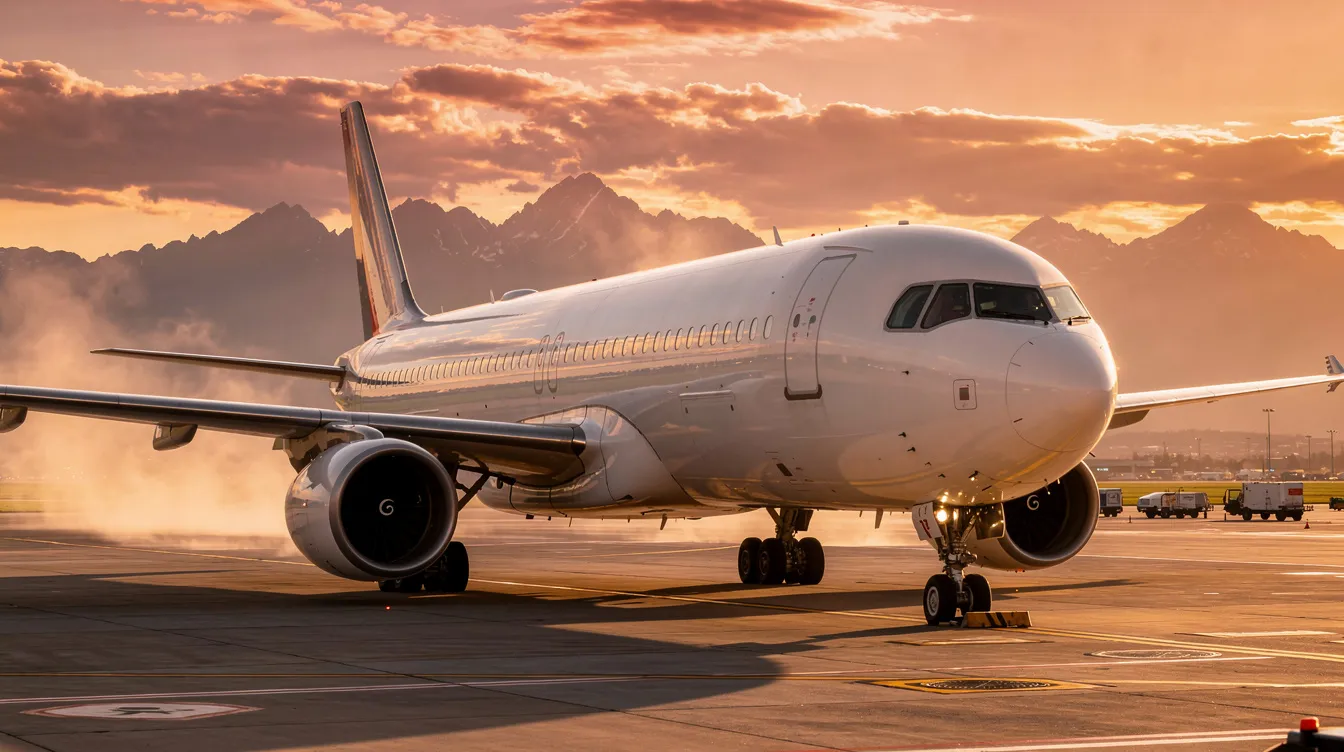
A used Boeing 757 now typically costs about US$8 million to US$18 million to acquire, with VIP conversion often adding US$28 million to US$35 million for a quality refit and reaching US$100 million or more for ultra-luxury completions; charter access generally runs about US$17,100 to US$29,250 per flight hour. Few aircraft in aviation history have transitioned as gracefully from commercial service to private luxury as the Boeing 757. Once the backbone of airlines worldwide for transcontinental flights and thin transatlantic routes, this narrow-body airliner now serves as a flying headquarters for heads of state, Fortune 500 boards, and entertainment moguls.
For ultra-high-net-worth buyers, corporations building executive shuttles, governments needing secure transport, and anyone weighing ownership against charter, the appeal is straightforward: the 757 combines commercial-airliner cabin space with intercontinental range in a way few business aircraft can match. Understanding the true Boeing 757 cost - from acquisition price and VIP conversion to annual operating expense, charter rates, financing options, performance, and ownership models - is essential before treating this aircraft as a strategic travel asset.
Executive snapshot: How much does a Boeing 757 cost today?
The Boeing 757 has earned its place as one of the most prestigious private jet platforms in the world because it delivers something no Gulfstream or Bombardier can: the cabin space of a narrow-body commercial airliner combined with the range and performance to fly intercontinental routes without compromise. For ultra-high-net-worth individuals, corporations deploying executive shuttles, and governments requiring secure delegation transport, the 757 occupies a category of its own.
Boeing produced 1,050 units of the 757 aircraft before shutting down production in 2004, which means every Boeing 757 cost discussion today centers on the secondary market. There is no new list price from Boeing. Recent valuations indicate used Boeing 757 prices in the low tens of millions, with high demand for both cargo conversions and VIP charter operations keeping supply tight.
Key 2025–2026 price points:
Used airline-configured 757-200: approximately US$8–18M depending on condition, engine cycles, and maintenance status
VIP conversion (airframe + interior): US$28–35M for a quality refit; US$60–100M+ for ultra-luxury completions
Charter rates: roughly US$17,100–29,250 per flight hour for VIP-configured 757s
Flagship charter experiences: world tour itineraries (such as luxury "Four Seasons Jet" style packages) can exceed US$2M for a 10–14 day, multi-continent program
To put this in perspective, purchasing and converting a pre-owned 757 into a full VIP private jet can cost less than a single new Gulfstream G700 - while carrying three to four times more passengers across similar ranges. Chartering one, by contrast, offers the same prestige without the balance-sheet commitment.
This article breaks down acquisition price, VIP conversion costs, annual operating expenses, charter rates, and financing alternatives to give you the complete financial picture, and shows where premium private jet membership and charter solutions can complement or replace outright Boeing 757 ownership.
What is the base price of a Boeing 757 in 2025–2026?
The term "base price" can mean two different things in this context: the historic factory list price Boeing once charged airlines, or the current secondary-market value of a used airframe. Since production ended over two decades ago, only the latter matters for today's buyers.
Historic context of the Boeing 757 as a narrow-body airliner
When the 757-200 entered service in the early 1980s, list prices hovered around US$45 million, later settling closer to US$36–37M as the production line matured. A new Boeing 757-200 was priced around $65 million by the end of production in 2002, reflecting inflation and improvements to later-build aircraft. The final delivery rolled off Boeing's Renton, Washington, line in 2005.
Current market values
Today, a used Boeing 757 can cost between $1.5 million and $10 million at the lower end of the spectrum, with the average purchase price of a pre-owned Boeing 757-200 sitting around $1.1 million for the oldest, highest-time examples, where the value is often determined primarily by the scrap price of its components. Better-condition, mid-life airframes with meaningful service life remaining trade in the US$8–18M corridor, with specialized freighter variants sometimes commanding premiums due to strong cargo demand.
What moves the price?
Several factors can swing the cost of a Boeing 757 by millions of dollars:
Factor | Impact on price |
|---|
Engine type | The Boeing 757 offers two engine options - Rolls-Royce RB211 and Pratt & Whitney PW2000 - each with different overhaul cost profiles and operator preferences. |
Remaining engine life | Remaining engine life and airframe maintenance cycles heavily influence used Boeing 757 prices; aircraft near major shop visits trade at steep discounts. |
C/D-check status | The cost of a 757 is influenced by its maintenance status before heavy checks, since upcoming inspections represent millions in deferred expenses.e |
Winglet STCs | Blended winglets improve fuel efficiency and range, adding both operational savings and resale value. |
Structural condition | Rigorous structural inspection requirements arise with increasing airframe age, making corrosion-free, well-documented examples significantly more valuable. |
Avionics | Modern flight deck upgrades (ADS-B, RNAV/RNP compliance) reduce future capital expenditure for the buyer. |
For readers weighing a 757 against smaller large-cabin private jets or best-in-class long-range private jets for sale, these variables matter enormously. A US$9M airframe with engines near overhaul and an upcoming D-check may ultimately cost more to bring into service than a US$15M example with fresh engines and completed heavy maintenance.
How much does it cost to turn a Boeing 757 into a Boeing Business Jet private jet?
Acquiring the airframe is only the opening chapter. The real leap in Boeing 757 cost comes from VIP interior completions that routinely match or exceed the purchase price of the aircraft itself, putting many fully converted 757s in the same investment band as a US$15 million private jet and its flagship features. Think of the airframe as a shell - the conversion is where vision, engineering, and budget converge to create something extraordinary.
Conversion cost ranges
According to Business Jet Traveler, a comprehensive VIP refit on a mid-life 757 - including airframe refurbishment, avionics modernization, and bespoke interior - typically lands between US$28–35 million inclusive of the aircraft. At the restrained corporate end, a functional VIP conversion with quality materials and modern systems starts around US$20M. At the opposite extreme, ultra-luxury specifications push well past US$60M.
The most famous benchmark remains Donald Trump's 757-200, which is often valued around US$100 million all-in, encompassing purchase price plus a lavish refurbishment featuring gold-plated fixtures, multiple lounges, a private bedroom suite, and bespoke entertainment systems throughout.
Common layout elements
A typical VIP 757 interior might include:
A master suite with a full bathroom, shower, and walk-in wardrobe
A formal conference and dining room for in-flight meetings and entertaining
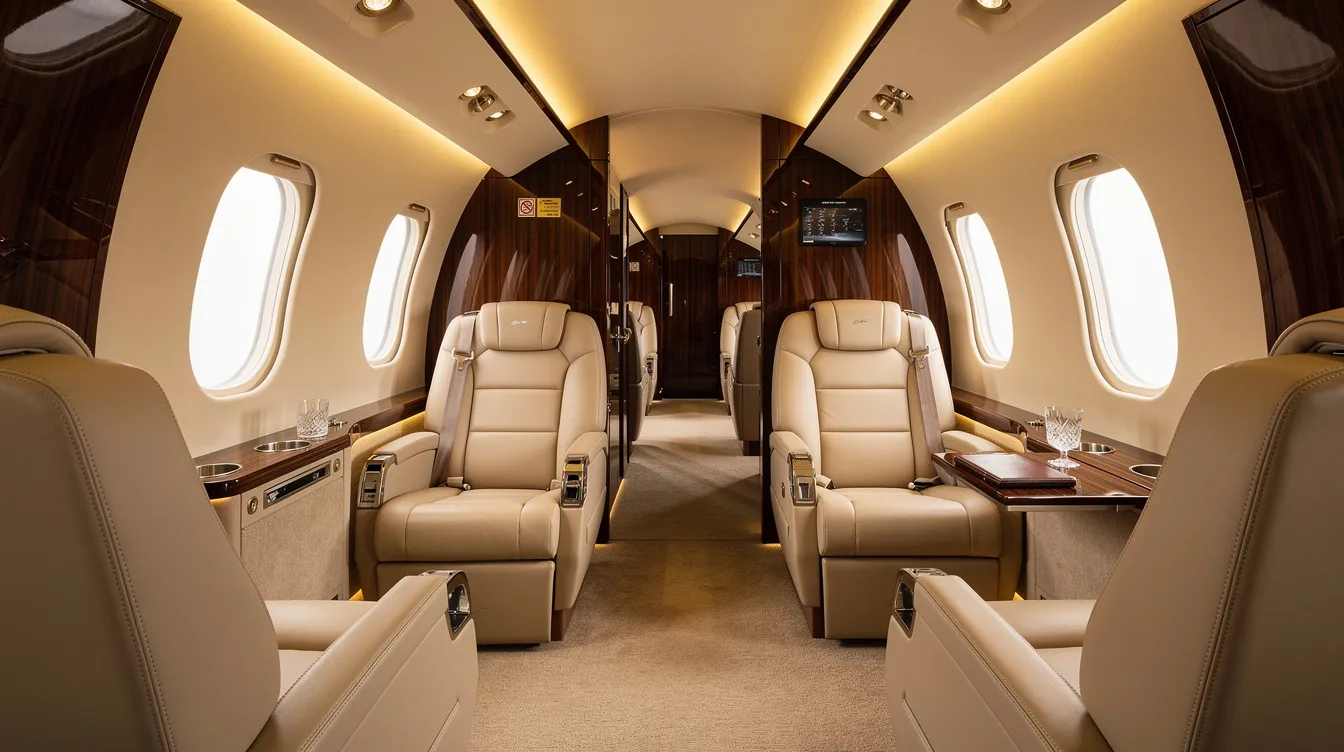
Multiple lounge zones with lie-flat seating for 30–60 guests
A full commercial-grade galley capable of multi-course meal service
A dedicated crew rest area separated from the guest cabin space
Secure communications suite for government or corporate security requirements
Cinema or entertainment room with large-format displays
Key cost drivers
What pushes a conversion from US$25M to US$80M+ is primarily materials and systems integration. Custom cabinetry in rare woods, stone countertops, hand-stitched leather, in-flight connectivity suites with high-speed satellite links, and cinema-grade entertainment can each add millions. For heads of state, military-grade secure communications and radar countermeasure systems add another layer of complexity and expense.
Timeline and certification
A full VIP conversion typically requires 12–24 months at an experienced completion center. Choosing a facility with strict safety, certification, and weight-management practices is essential - not just for luxury, but for airworthiness. Every modification must be engineered to accommodate weight and balance constraints without compromising the 757's performance envelope. Improperly managed conversions can ground an aircraft or destroy its resale value.
Operating costs: what it really takes to run a Boeing 757 private jet
Owning a VIP 757 is less like owning a private jet and more like running a boutique airline, with complexity and scale comparable in many ways to operating a privately owned Boeing 737. The economics sit closer to a small airliner operation than to a traditional large-cabin jet, making this aircraft practical only for operators with frequent, mission-critical travel requirements or revenue-generating charter programs.
Annual cost bands
For a privately operated 757 flying approximately 400–600 hours per year, annual operating costs for a Boeing 757 can exceed $6 million, and often reach US$8M+ when all fixed and variable expenses are accounted for, which is directly relevant for groups comparing this platform with charter plane solutions for around 100 passengers. A published cost model for a 2005 757-200ER VIP showed variable costs of roughly US$6.97M per year, with a fully loaded hourly rate of approximately US$23,900 when depreciation and fixed costs were included.
Cost breakdown
Category | Estimated cost |
|---|
Fuel | US$5,000–7,000 per hour (fuel costs for a Boeing 757 can average $7,000 per hour with current JetA pricing) |
Maintenance reserves | Maintenance costs typically exceed $2,500 per hour in late life for older aircraft. |
Engine overhauls | Major engine overhauls can cost up to $5 million for the Boeing 757 per engine shop visit. |
Crew salaries & training | Two pilots plus cabin crew; recurrent type rating, simulator sessions |
Insurance | Hull and liability coverage scaled to VIP hull values |
Hangar/storage | Can exceed US$300,000/year for a 757-sized aircraft near major airports |
Navigation & overflight fees | Heavy aircraft incur higher en-route charges, especially on international routes. |
Fuel remains the largest operating expense for the Boeing 757, often accounting for over 40% of costs. In many operational profiles, fuel costs can account for nearly 50% of direct operating costs. The aircraft's fuel consumption reflects its airliner heritage - the 757 burns roughly 1,000+ gallons per hour at cruise, and with jet fuel at US$5–7 per gallon, the numbers add up quickly. Fuel capacity is substantial, allowing long-range missions but also meaning that departing with full fuel incurs significant weight penalties.
Heavy Maintenance Visits deserve special attention: they can exceed the purchase price of older aircraft. A D-check on an aging 757 can run US$3–5M, and when combined with engine shop visits, represents a financial event that operators must plan years in advance.
Capacity advantage
The 757-200 can carry a maximum payload of 87,700 pounds, with a maximum takeoff weight of 255,000 pounds. This means a single VIP 757 can accommodate more passengers - and more luggage, equipment, or cargo - than several large-cabin private jets combined. For corporate roadshows moving 50–80 executives, sports teams, or entertainment tours, the cost per seat on a 757 can actually be lower than deploying multiple Gulfstream G650s or Global 6500s, even though the absolute hourly spend is far higher.
In comparison, typical large-cabin private jets like the G650 charter for US$8,000–13,000 per flight hour, carry 13–19 passengers, and offer far less cabin volume, even though they remain among the best private jet options for 15 passengers. For small groups, that math works. For large groups on longer routes, the 757 wins decisively.
Chartering a Boeing 757 vs owning one
For most high-net-worth individuals and brands, chartering delivers the Boeing 757 private jet experience without the operational burden of ownership - no flight department to build, no depreciation to absorb, no unplanned engine shop visits to fund, and full access to the flexibility described when you understand the meaning and mechanics of charter flights.
Charter costs
The average hourly rental rate of the Boeing 757-200 is $19,800, with VIP-configured examples ranging from US$17,100 to US$29,250 per flight hour depending on the operator, interior specification, and seating configuration, positioning it alongside other leading private jet options for 50 passengers. A Boeing business jet variant with 30 VIP seats and enhanced range commands the upper end of that spectrum.
For flagship experiential travel - multi-continent luxury tours, corporate incentive programs, or world expeditions - package pricing typically starts around US$2M for a 10–14 day itinerary, inclusive of crew, fuel, catering, landing fees, and ground logistics, although some travelers may only need to buy a single seat on a private jet rather than a full-aircraft charter.
Ownership breakeven
The math on owning a 757 begins to favor purchase over charter only at high annual utilization - generally 400+ hours per year of personal or mission-specific use, or a viable charter revenue strategy during idle periods, where tools like jet card programs for frequent flyers can also play a role in optimizing overall fleet access. Below that threshold, the sunk costs of hangar, crew, insurance, and maintenance reserves overwhelm any per-hour savings.
Use cases where Charter excels
Corporate incentive trips: fly 50–80 executives in lie-flat comfort for a week-long program, then return the aircraft
Global product launches: deploy a branded 757 across multiple cities, then walk away with no residual obligations
National sports teams: carry entire staff, coaching personnel, and equipment in one aircraft for a tournament, leveraging aircraft that rank among the best private jets for 20 passengers and larger groups
Ultra-luxury family expeditions: hotel-style amenities onboard without year-round ownership costs
Risk management
Charter eliminates residual value risk, insulates against major maintenance surprises, and removes the need for in-house flight operations infrastructure. Converted freighters have higher market values due to strong demand for cargo capacity, which means a 757 you purchase today for VIP use may depreciate faster than the freighter-conversion market suggests - another factor that makes charter attractive for intermittent users.
Range, performance, and why the 757 still commands a premium
Part of the Boeing 757 cost premium is tied to capabilities that newer narrow-body designs have only recently matched - and in some cases still haven't. The aircraft was originally intended to replace the aging 727 on demanding domestic and short-haul international routes, but its performance envelope proved far more versatile than Boeing anticipated.
Key performance and fuel efficiency numbers
Eastern Air Lines operated the first commercial 757 flight in 1983, and the type quickly demonstrated its impressive range and climb performance on routes that challenged its contemporaries.
Specification | 757-200 |
|---|
Maximum range | 3,850 nautical miles |
Maximum cruising speed | Mach 0.80 |
Maximum seating (single-class) | 239 passengers |
757-300 maximum seating | 295 passengers (the 757-300 variant can carry up to 295 passengers) |
Engines | Rolls Royce RB211 or Pratt & Whitney PW2000 |
Wingspan | ~124 ft (with wing modifications available) |
MTOW | 255,000 lb |
The 757-200 has a maximum range of 3,850 nautical miles, making it capable of transcontinental and intercontinental operations. This means nonstop service from New York to London on transatlantic routes, Los Angeles to Hawaii, or coast-to-coast across the United States - missions that define long-haul flights for private operators.
Why it still matters
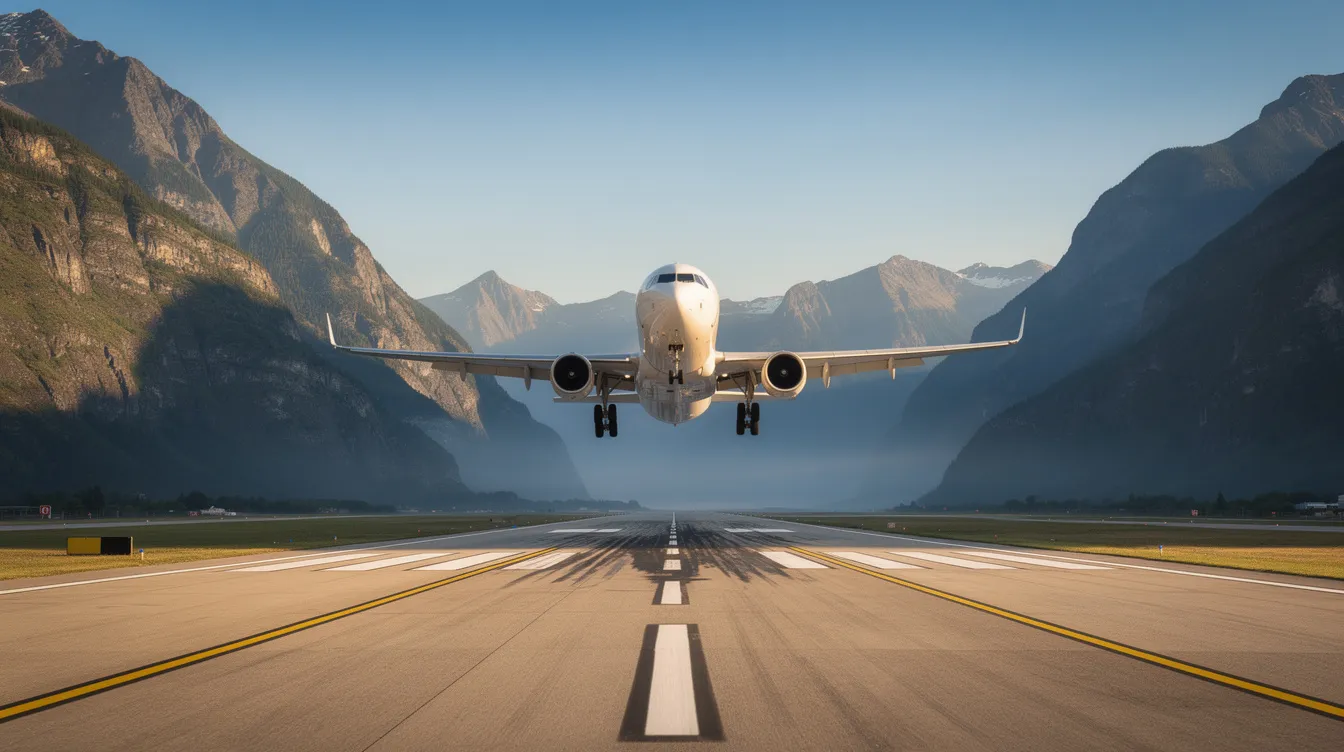
The 757's ability to operate from shorter runways than wide-body jets of comparable passenger capacity - while maintaining strong climb performance at high-elevation airports - gives it access to airfields that larger aircraft simply cannot use. British Airways and other carriers historically deployed the type on exactly these demanding routes where field performance was as important as range.
Boeing 757s are among the oldest jets still in operation today, yet airworthiness and structural integrity remain strong on well-maintained examples. The 757-200PF freighter entered service with UPS in 1987, and the type continues to fly reliably in cargo and VIP service worldwide, proving the durability of the airframe design.
Upgrades that move the needle
Winglet retrofits can deliver approximately 5% fuel burn reduction and roughly 200 nautical miles of additional range - translating to both lower fuel consumption per mission and meaningful improvement in resale value. Avionics modernization (glass cockpit upgrades, radar enhancements, ADS-B compliance) keeps older airframes current with regulatory requirements, while cabin technology upgrades - high-speed satellite WiFi, streaming systems, advanced LED lighting - ensure the passenger experience matches the aircraft's operational capabilities.
The 757 also benefits from a common type rating with the 767, meaning pilots qualified on one type can transition to the other with minimal additional training. This crew flexibility reduces training costs and increases scheduling efficiency for operators who fly both types.
Financing, ownership structures, and alternatives to a personal 757
At this price level, few buyers pay cash outright. Instead, acquisition is typically structured through tailored financing vehicles - finance leases, operating leases, or corporate ownership entities - designed to optimize tax treatment and balance-sheet presentation.
Financing considerations
Lenders evaluate Boeing 757 transactions carefully. Key factors include:
Airframe age and remaining useful life. Older transport-category aircraft receive more conservative loan-to-value ratios.
Engine shop visit reserves: lenders want assurance that upcoming overhauls are funded, since major engine overhauls represent multi-million-dollar events
VIP completion value: how conversion costs are treated in collateral structures matters; some lenders cap completion cost recognition at a percentage of airframe fair market value
Revenue potential: if the aircraft is placed on a Part 135 charter certificate, projected utilization and revenue improve financing terms
Alternatives to direct ownership
Not every mission requires owning a 757. Several alternative access models serve operators who need 757-class capabilities without full ownership:
Long-term ACMI wet leases: aircraft, crew, maintenance, and insurance bundled for branded campaigns or seasonal operations
Block charter agreements: pre-purchased hours at negotiated rates with established operators
Premium jet card programs: access to large-cabin and heavy jet fleets for those who need long range and privacy but don't require 757 capacity on every flight, including structured options like the BlackJet 25+ Hour Jet Card
Insurance complexity
VIP 757 hull values can reach tens of millions of dollars, requiring specialized aviation insurance markets. Liability limits must accommodate large passenger counts, and global operations demand coverage for ETOPS oceanic routing, diplomatic missions, and sometimes enhanced security features. Crew training and recurrent certification requirements factor into underwriting decisions.
Mission alignment
The most important financial decision isn't which 757 to buy - it's whether a 757 is the right aircraft at all. Aligning aircraft choice with actual mission profile (trip lengths, group size, annual hours, typical routes) prevents the costly misalignment that leads to underutilization and accelerated depreciation; for some, the 757 will be ideal, while others may gravitate toward the largest private jets for ultra-luxury travel. Engaging experienced private aviation advisors before committing capital can save millions over the ownership lifecycle. For those who primarily need to fly smaller groups on similar routes, ultra-long-range private jets or flexible access programs may deliver superior economics, and in some cases, an entry-level or cheapest private jet solution may be more rational than committing to a VIP airliner.
FAQs: Boeing 757 cost and private jet use cases
How much does a Boeing 757 private jet really cost all-in?
For a used 757-200 airframe in serviceable condition, expect US$8–16M, though regional markets such as the UK also offer premium private jets for sale that may better fit certain buyers’ profiles. Add a quality VIP conversion at US$20–40M for a corporate-grade interior, or US$60–100M+ for ultra-luxury specifications. Total all-in cost for a capable VIP 757 ranges from roughly US$28M at the modest end to well over US$100M for flagship-quality completions. Those who cannot afford this capital outlay can access the experience through a charter.
What is the difference in cost between a 757 and a smaller long-range private jet?
A new Gulfstream G650 or Bombardier Global 6500 lists around US$60–80M and operates at US$8,000–13,000 per hour, carrying 13–19 passengers; pricing that is broadly in line with structured Flexjet jet card cost and access models for similar mission profiles. A VIP 757 costs more per hour to operate but can carry 30–80+ passengers, making the cost per seat dramatically lower for large group missions. The model you choose depends entirely on how many passengers you regularly move.
Can a Boeing 757 fly nonstop from New York to London or Los Angeles to Hawaii?
Yes. The 757-200 has a maximum range of 3,850 nautical miles. New York to London is approximately 3,000–3,500 nautical miles, depending on routing, well within reach. Los Angeles to Hawaii is roughly 2,200–2,500 nautical miles - comfortably achievable even with a heavier VIP interior, though departing with full fuel at maximum weight reduces margin on the longest legs.
What about sustainability and emissions?
Upgrades such as winglets improve fuel efficiency by approximately 5%, and sustainable aviation fuel (SAF) is increasingly available at major airports, aligning the 757 more closely with the latest innovations seen on the top 10 private jets in the world. On high-load-factor missions, a single 757 carrying 50+ passengers can produce lower emissions per passenger than three or four smaller private jets covering the same route. Carbon offset programs are available through most charter operators, and some powered fleet programs include offsets at no additional cost.
How safe is a Boeing 757, given its age?
The 757 holds transport-category certification - the highest standard in commercial aviation. ETOPS approvals allow oceanic operations on two engines with proven reliability. Buyers should demand full maintenance logbooks, compliance with all airworthiness directives, up-to-date avionics, and documented structural inspection histories. A properly maintained 757 with current certifications meets every modern safety standard.
Is a Boeing 757 the right private jet for me?
If your missions regularly involve moving large groups - 30 to 80 or more passengers - across transcontinental or intercontinental distances, and you fly frequently enough to justify the operating costs, a 757 is difficult to match, especially when paired with the right private jet company or aviation partner. Governments, corporations with large executive teams, sports organizations, and entertainment groups are the natural operators, including those based in or frequently traveling through major hubs such as Karachi for private jet charters. For smaller groups, less frequent travel, or those who prioritize ultra-long nonstop range (7,500+ nautical miles), modern large-cabin business jets or flexible jet card access programs will likely deliver better value and ground logistics simplicity, particularly for region-specific needs like private jet charters in Lahore.
Conclusion: The Boeing 757 as a Strategic Private Jet Investment
The Boeing 757 stands apart in the private aviation landscape by offering unparalleled cabin space, intercontinental range, and operational flexibility that few business jets can match. While the acquisition and VIP conversion costs are significant, the aircraft’s ability to comfortably transport large groups—whether corporate delegations, sports teams, or government officials—makes it a compelling strategic asset rather than a mere luxury purchase.
Its proven safety record, rigorous certification standards, and ongoing upgrades in avionics and fuel efficiency ensure that the 757 remains a viable and prestigious choice decades after production ended. For those whose travel demands align with its capabilities, the 757 offers a unique blend of commercial airliner space with the exclusivity and customization of a private jet.
Whether choosing ownership or charter, understanding the full spectrum of Boeing 757 cost factors—from purchase price and maintenance to operational expenses and financing—is essential for making an informed decision. For discerning travelers seeking a premier, seamless, and sustainable private aviation experience, the Boeing 757 continues to represent a pinnacle of capability and prestige.
Discover how BlackJet can elevate your travel with exclusive access to Boeing 757 private jet charters and bespoke ownership solutions tailored to your mission and lifestyle.


 Sign up with google
 Sign up with Apple