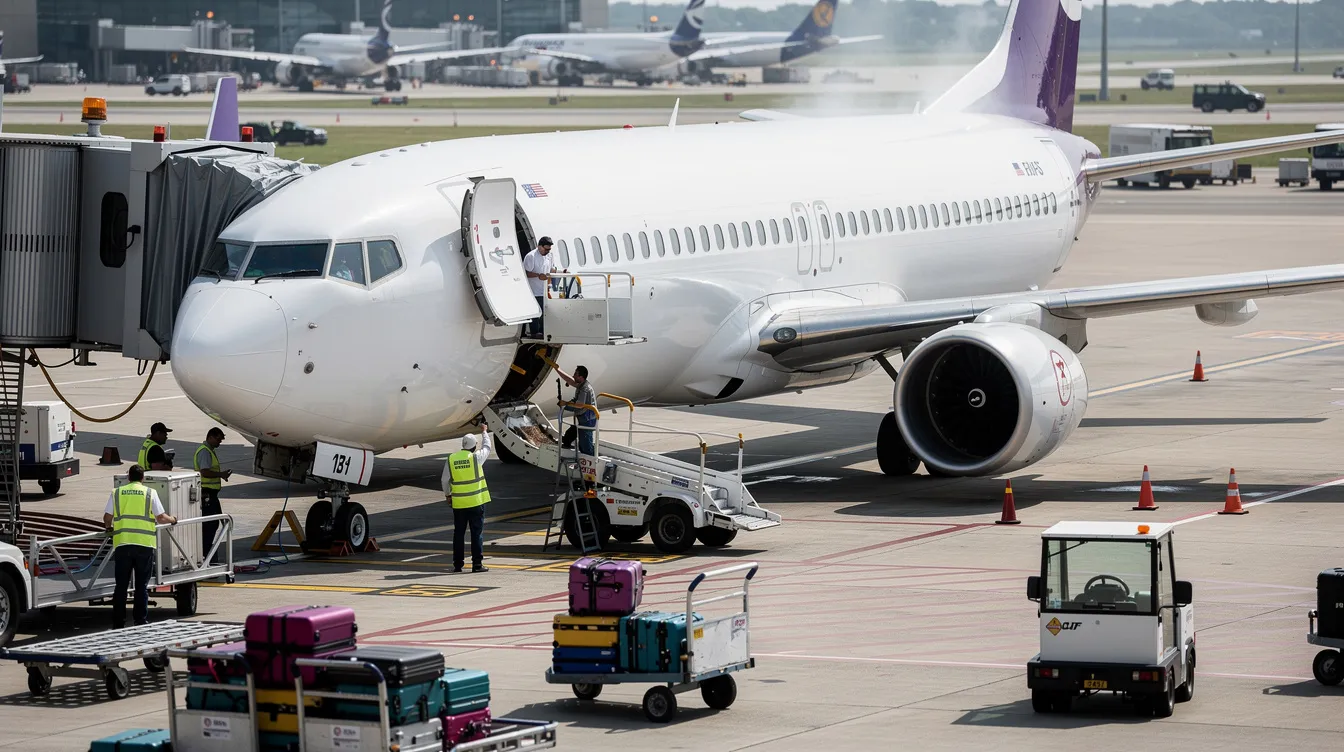
Few aircraft in the history of commercial aviation have shaped the way the world flies quite like the Boeing 737. The Boeing 737 models are a family of narrow-body, twin-engine aircraft introduced in 1967 and developed across four main generations—Original, Classic, Next Generation, and MAX—serving short- to medium-haul routes in commercial service and, increasingly, VIP and private aviation.
For frequent business travelers, high-net-worth flyers, aviation enthusiasts, and decision-makers comparing premium travel options, understanding the 737 family gives useful context on how each variant differs in role, range, efficiency, and cabin potential. From the evolution of key model types to Boeing Business Jet adaptations, safety and operating standards, sustainability improvements, and the way BlackJet applies these aircraft within private charter and Jet Card programs, the 737 remains one of the clearest examples of how commercial aviation scale can translate into private aviation capability, comfort, and flexibility.
Overview of the Boeing 737 Family
The Boeing 737 matters for a simple reason: no other jet airliner has been produced in greater number or flown by more airlines across more routes. Boeing has produced over 10,000 737 aircraft since 1967, making it one of the most significant engineering programs in aviation history. Major carriers like American Airlines and Southwest Airlines have built their entire domestic strategies around 737 variants, while operators around the world—from Ryanair in Europe to Lion Air in Southeast Asia—rely on the type for short- and medium-haul flying day after day, year after year.
At its core, the Boeing 737 is a narrow-body, twin-engine jet designed for short- to medium-haul routes. It first flew in 1967 and has been continuously updated through four main generations, each bringing meaningful advances in range, fuel efficiency, avionics, and passenger comfort. The Boeing 737 family is divided into four main generations: Original, Classic, Next Generation (NG), and MAX.
The total number of orders placed across all 737 variants exceeds 17,300, a figure that reflects how many aircraft airlines have needed across different markets and route networks, as well as the trust they place in its economics. But the 737's story extends well beyond scheduled airline service. The Boeing 737 family has evolved to cater to various market needs, including business and charter aviation. VIP conversions—most notably the Boeing Business Jet (BBJ) line—strip out high-density seating and replace it with private bedrooms, conference rooms, and bespoke lounges, transforming a 180-seat airliner into a flying residence for 20 to 50 passengers.
Consider the contrast:
Commercial use: American Airlines deploying 737-800 and 737 MAX 8 aircraft on dense domestic routes, carrying 160–189 passengers per flight in standard economy and business configurations.
Private/VIP use: BBJ versions operated as corporate shuttles, head-of-state aircraft, and high-end charter jets—often with fewer than 30 seats, full galleys, and custom interiors rivaling five-star hotels.
Each new 737 generation has brought improved safety systems, materials, and technology. The Boeing 737 utilizes modern digital cockpits and electronic systems across its current variants, and these same avionics and structural advances benefit VIP and charter configurations. Understanding how each generation built upon the last is essential context for anyone comparing commercial air travel to the world of private aviation.
Evolution of Boeing 737 Models by Generation
Tracing the four major generations of the Boeing 737 reveals how dramatically performance, range, and cabin experience have improved over time. What began as a compact, short-range jet in the late 1960s has evolved into a family of aircraft capable of transcontinental—and in VIP configuration, even transoceanic—missions.
Original Series (737-100 and 737-200)
The Original generation of the Boeing 737 was introduced in the late 1960s as Boeing's answer to the growing demand for efficient short-haul jets. The 737-100 is less than 91 feet long—remarkably compact by today's standards—and was powered by low-bypass turbofan engines that, while revolutionary at the time, produced higher noise and fuel burn than anything acceptable in modern aviation.
Here's a fun detail that puts the evolution in perspective: the original 737-100 fuselage was so short that early airline customers questioned whether passengers would accept it as a "real" jet. Essentially none of these aircraft remain in regular passenger service today; surviving examples are found in museums or highly specialized roles.
Classic Series (737-300, 737-400, 737-500)
The Classic generation of the Boeing 737 launched in the 1980s to increase capacity and address the fuel and noise concerns of the Originals. The defining upgrade was the introduction of high-bypass CFM56 engines, which dramatically improved fuel efficiency and created quieter cabins—a change airlines and passengers alike welcomed.
Key characteristics of the Classic family:
The 737-400 stretched the fuselage to accommodate 140–170 passengers in airline layouts
Improved avionics and systems for the era
Many Classic airframes have since been converted to freighters or retired entirely
Production has ended; Classics are aging out of commercial fleets globally
Next Generation Series (737-600, 737-700, 737-800, 737-900/900ER)
The Next Generation of the Boeing 737 was introduced in the late 1990s and represented a quantum leap. Boeing delivered a redesigned, larger wing for improved aerodynamics and fuel capacity, a glass cockpit with modern avionics, and significantly extended range.
The NG models became the true industry workhorses. Boeing has delivered about 6,600 Next Generation 737s, with the 737-700 and 737-800 forming the backbone of fleets at airlines like American Airlines, Southwest, and Ryanair. The NG series also created the platform for the first Boeing Business Jet (BBJ) family—essentially 737-700 and 737-800 airframes fitted with long-range auxiliary fuel tanks and bespoke VIP interiors, enabling corporate flight departments and high-end charter operators to offer transcontinental and even transatlantic capability.
MAX Family (MAX 7, MAX 8, MAX 9, MAX 10)
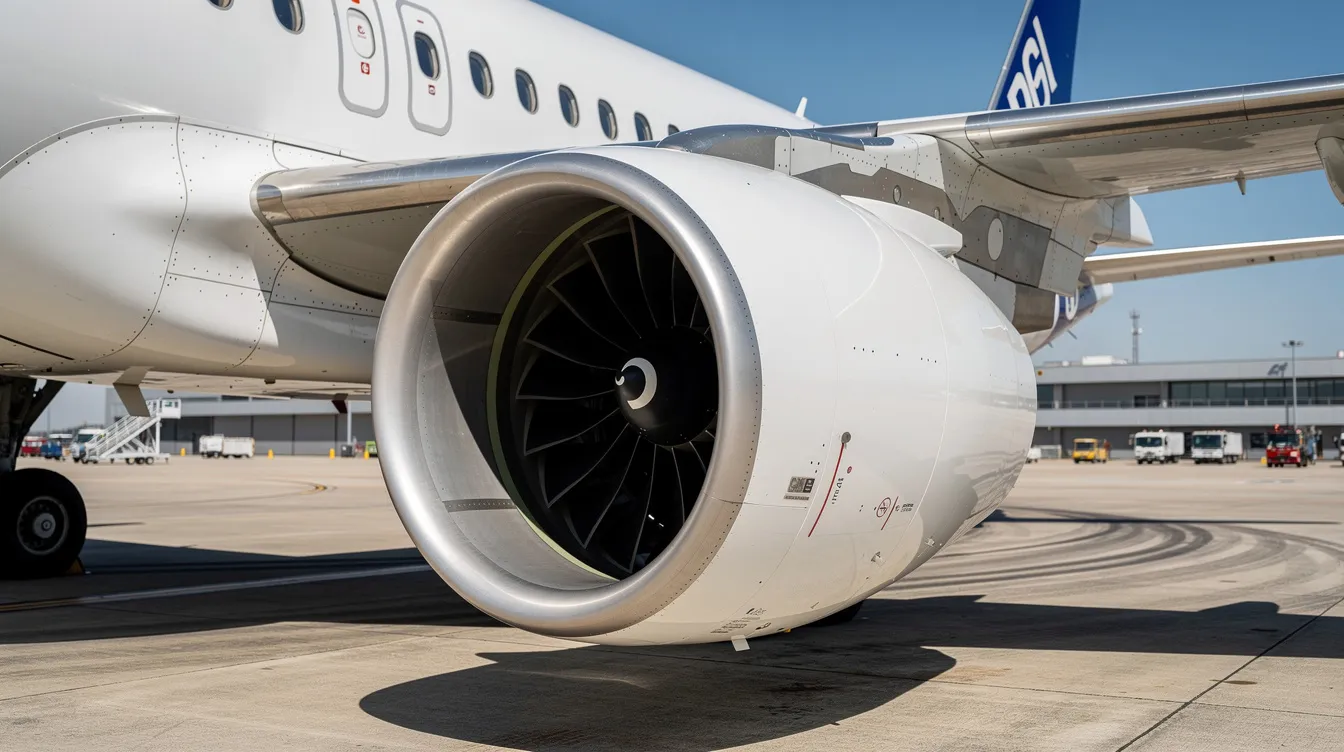
The MAX generation of the Boeing 737 was launched in 2017 and focuses on fuel efficiency, reduced emissions, and lower operating costs. The MAX family utilizes CFM International LEAP-1B engines, and all modern Boeing 737 MAX variants feature advanced aerodynamic designs and winglets that collectively achieve a 14% to 20% improvement in fuel efficiency compared to the NG models they replace.
To appreciate the physical evolution: while the 737-100 is less than 91 feet long, the 737 MAX 8 is almost 130 feet long—a dramatic expansion in cabin volume and passenger capacity across the decades.
Notable MAX variants:
MAX 7: Certified by the FAA in August 2026, offering up to 3,800 nautical miles of range and optimized for hot/high-altitude airports
MAX 8: The most commercially significant and most ordered MAX variant
MAX 9: Larger fuselage, seating 175–195 in two-class layouts
MAX 10: The largest variant in the MAX family, designed for maximum per-seat economics on high-density routes
The MAX family experienced a temporary worldwide grounding from 2019 to 2020 following two fatal accidents linked to the MCAS (Maneuvering Characteristics Augmentation System). The aircraft returned to service only after comprehensive software corrections, enhanced pilot training requirements, system redundancies, and rigorous regulatory oversight. In early 2024, a mid-cabin door plug incident on a 737-9 MAX led to another temporary grounding of approximately 171 aircraft pending inspection—a reminder that continuous certification, quality control, and monitoring remain paramount.
For private aviation clients, these events underscore why operator selection matters as much as the aircraft itself. BlackJet's proprietary safety standards reflect the same philosophy: every operator in the network is audited for maintenance history, crew training, and regulatory compliance—whether the aircraft is an airliner derivative or a purpose-built private jet.
Key Boeing 737 Models and Their Roles with American Airlines (Commercial vs Private)
Not every Boeing 737 model is equally relevant in today's market. Some variants dominate airline schedules, others have found second lives as cargo platforms, and a select few have been reimagined as ultra-luxury private aircraft. Here's where the main variants stand.
737-400 (Classic Stretch)
The 737-400 was a mid-1980s stretch of the Classic family, suited for 140–170 passengers in airline layouts. Some aircraft were converted into corporate or private shuttles over the years, but today most surviving 737-400s serve as freighters. Limited range—typically 2,000 to 2,500 nautical miles—and aging systems make them less relevant for modern VIP use.
737-700 (NG)
A common sight with Southwest and other carriers, the 737-700 typically seats around 130–140 passengers in a two-class configuration. Its range of over 3,000 nautical miles and relatively compact size made it a popular base for the original BBJ1. With auxiliary fuel tanks, a BBJ1 can achieve approximately 6,100 nautical miles of range—enough for transcontinental and some transatlantic missions in VIP configuration, typically seating around 19 passengers in extraordinary comfort, similar in mission profile to the best private jet options for 15 passengers.
737-800 (NG)
The Boeing 737-800 is the best-selling variant in the entire 737 program—and for good reason. Seating about 160–180 passengers in standard airline layouts, it strikes the ideal balance between capacity, range (approximately 2,800 nautical miles), and operating economics. Airlines like American Airlines and Ryanair have ordered it in enormous numbers, and it remains a fixture on North American and European trunk routes.
The 737-800 also serves as the base for the BBJ2, which offers amplified cabin space for VIP groups needing more volume—think corporate roadshows, sports teams, or family entourages of 30 or more, where private jets configured for around 30 passengers become especially relevant.
737-900/900ER (NG)
The stretched NG variant suited to higher-density routes, the 737-900ER pushes the upper limit of NG capacity. It's less common in VIP conversions due to size and weight constraints at smaller airports, but it's important for understanding the top end of the NG family as used by major airlines.
737 MAX 8 and MAX 9
The 737 MAX 8 is the most popular variant of the MAX series, succeeding the 737-800 with meaningful fuel-burn reductions—around 14% compared to older NG models. The 737 MAX 8 has a range of over 4,000 miles, enabling airlines to serve longer stages more efficiently. The MAX 9, successor to the 737-900, offers a larger cabin for airlines needing maximum capacity on competitive routes.
For travelers, these efficiency gains translate into more frequent service on more routes, but also into a broader ecosystem of newer, more efficient aircraft available for charter and VIP operations.
BBJ (Boeing Business Jet) Variants
BBJ variants differ from standard 737s in nearly every respect that matters to private travelers:
Long-range fuel tanks installed in the belly, extending range to 6,000+ nautical miles
Drastically reduced seat counts—often 20 to 50 seats instead of 180
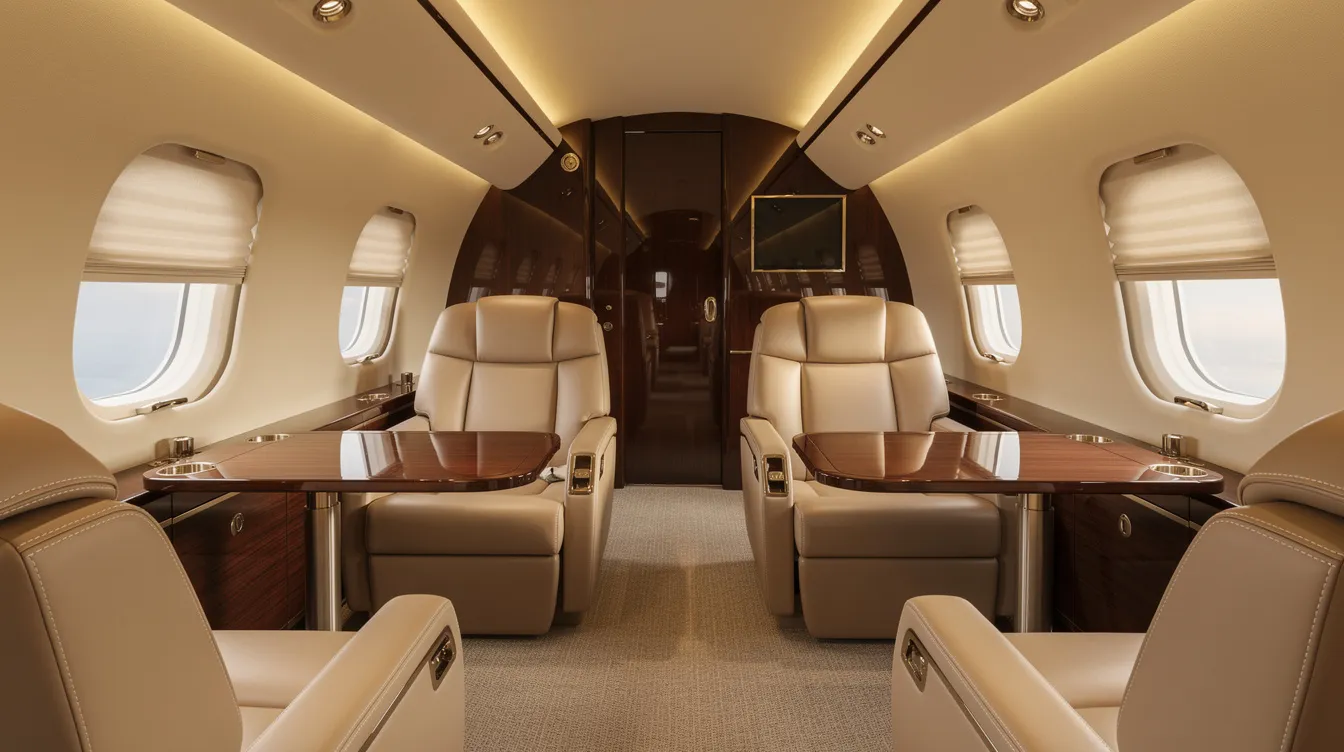
Private bedrooms, conference areas, and fully equipped galleys that create an environment closer to a flying penthouse than a typical airliner
Bespoke interiors with materials, layouts, and technology tailored to the owner or charterer
The cabin experience contrast is stark. On a commercial 737, passengers sit in standard economy or business class seats with limited personalization and shared space. In a VIP 737 or BBJ, travelers enjoy fully flat seating, private offices, and bespoke catering—an experience that helps explain why high-net-worth travelers increasingly step up from airline first class to private jet access through programs like BlackJet.
Boeing 737 in Private & Business Aviation (and How BlackJet Fits In)
Boeing Business Jets: Capability and Use Cases
The Boeing 737 platform extends well beyond the scheduled airline world. Governments, Fortune 500 corporations, and ultra-high-net-worth families operate BBJ and VIP-converted 737s for missions where privacy, schedule control, and cabin volume are non-negotiable. For BlackJet clients, these aircraft represent the upper end of the private aviation spectrum—relevant for large groups or special missions where a standard super-midsize or large-cabin jet simply won't accommodate the headcount or baggage, making them comparable in concept to private jet options for up to 50 passengers.
Boeing Business Jets have BBJ equivalents across the 737 family, and for some owners,rs a dedicated acquisition strategy for buying a Boeing 737 for private or operational use becomes part of a broader fleet or capital planning decision:
BBJ Variant | Base Aircraft | Typical VIP Range | VIP Seating | Primary Use Cases |
|---|
BBJ1 | 737-700 | ~6,100 nm | ~19 | Executive travel, head-of-state |
BBJ2 | 737-800 | ~5,200 nm | ~30-40 | Corporate roadshows, large groups |
BBJ MAX 8 | 737 MAX 8 | ~6,300 nm (est.) | ~20-40 | Long-range corporate, sustainability-focused |
Common use cases include corporate roadshows where a CEO and 30 executives need to visit five cities in four days, sports teams traveling with full rosters and equipment, music tours with entourage and production staff, and ultra-high-net-worth family travel where a group of 25 needs to fly from New York to London in total privacy—precisely the scenarios explored when evaluating the best private jet for 20 passengers.
Where BlackJet Fits
Most BlackJet Jet Card flights use super-midsize and large-cabin private jets rather than 737-class aircraft, with products such as the BlackJet 25+ Hour Jet Card designed to give frequent flyers predictable access to these categories. Prepaid jet time programs like the Jet Card model, as outlined in our broader guide to jet card membership pricing and costs, offer flexibility in private aviation that works best when matched to the right aircraft for each mission. For a solo business traveler or a group of six flying coast-to-coast, a purpose-built private jet is the ideal solution. But when the mission calls for 30 or more passengers on a long-haul route, BlackJet's advisory team can coordinate VIP airliner charters—including 737-based platforms—through its vetted operator network, while smaller large-group trips may be better served by top 16-seat private jet options.
Boeing 737s must conform to safety and operational standards defined by aviation authorities, and operators in the charter and VIP space adhere to rigorous maintenance schedules, pilot training protocols, and oversight frameworks. BlackJet's operator selection process ensures comparable or higher standards across all aircraft types in its network—not just airliner-derived models — aligning with the safety and performance benchmarks highlighted among the top private jets in the world.
Sustainability Considerations
Newer 737 models—particularly the MAX family—represent meaningful progress in fuel efficiency and emissions per seat. The MAX achieves up to 20% lower fuel burn and reduces noise footprints by approximately 50% compared to older generations. BlackJet extends this principle across its entire fleet by providing carbon-neutral flights through verified offset programs, whether a client flies in a light jet or a large VIP airliner, even up to ultra-large platforms comparable in scale to a private jet-configured Airbus A380. Sustainability in private aviation isn't aspirational—it’s operational.
The Experience Contrast
Consider what it means to fly on a commercial Boeing 737 operated by American Airlines versus flying private through BlackJet:
Benefit | Description |
|---|
Time | Private flights can reduce travel time significantly. No two-hour check-in windows, no connections, no waiting at baggage carousels. |
Privacy | Travelers can enjoy enhanced privacy during their flights—no strangers, no overhead announcements, no shared armrests. |
Scheduling | Private flights offer greater flexibility in scheduling. Depart when you're ready, not when the airline's timetable allows. |
Security | Passengers can avoid long security lines at airports. Private terminals mean walking from your car to the aircraft in minutes. |
Access | Private flights provide access to more airports than commercial airlines—over 5,000 in the United States alone versus roughly 500 served by scheduled carriers, which is a key advantage for travelers buying a seat on a private jet via shared or semi-private models. |
Productivity | Conduct confidential meetings, review sensitive materials, or simply rest in an environment that works for you. |
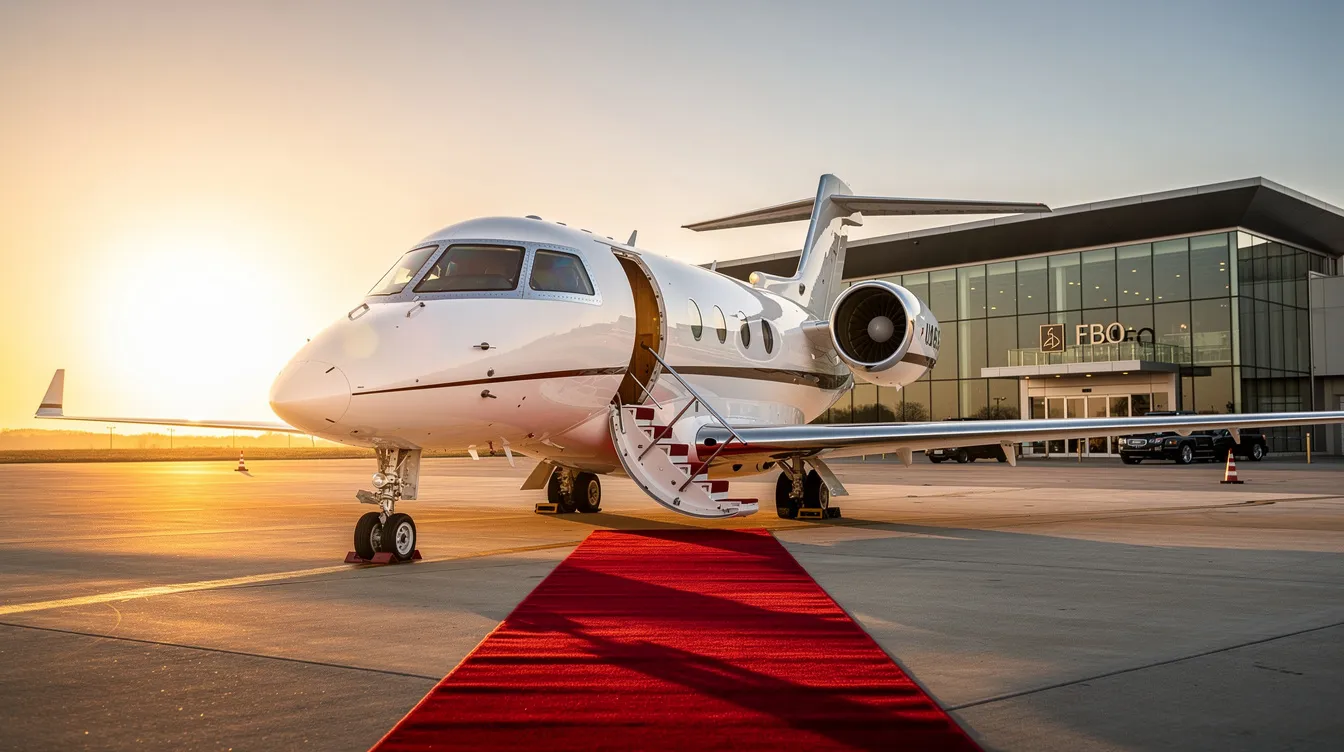
For travelers who currently fly commercial on 737s multiple times a month, the calculation is straightforward: how much is your time worth, and what would you do with the hours you'd recover?
Frequently Asked Questions about Boeing 737 Models and Private Aviation
What are the main differences between the Boeing 737 generations?
The Boeing 737 family is divided into four main generations: Original (late 1960s), Classic (1980s), Next Generation (late 1990s), and MAX (launched in 2017). Each generation brought improvements in fuel efficiency, range, avionics, and passenger comfort, with the MAX series offering the most advanced engines and aerodynamic designs.
Which Boeing 737 model is most popular for commercial airlines?
The Boeing 737-800 from the Next Generation series is the best-selling variant, widely used by airlines like American Airlines and Ryanair due to its balance of capacity, range, and operating economics.
How do Boeing Business Jets (BBJ) differ from commercial 737s?
BBJ models are customized 737 variants with long-range fuel tanks, drastically reduced seating (typically 20-50 seats), and bespoke interiors including private bedrooms and conference areas, tailored for VIP and corporate use.
Are Boeing 737 MAX aircraft safe to fly?
The 737 MAX family underwent a worldwide grounding from 2019 to 2020 after safety incidents but returned to service following comprehensive software updates, enhanced pilot training, and regulatory oversight. Operators like BlackJet maintain strict safety audits and maintenance standards.
Can Boeing 737s be used for private jet charters?
Yes, Boeing 737s, especially BBJ variants, are used for private charters when large groups or long-range missions require more space and cabin volume than typical private jets. BlackJet coordinates VIP charters with vetted operators for these aircraft.
How does flying a private Boeing 737 compare to commercial flights?
Private Boeing 737 flights offer significant advantages, including flexible scheduling, enhanced privacy, access to more airports, avoidance of long security lines, and a luxurious, customizable cabin experience.
What sustainability benefits do newer Boeing 737 models offer?
The 737 MAX models achieve up to 20% better fuel efficiency and reduced noise footprint compared to older generations. BlackJet complements this by offering carbon-neutral flights through verified offset programs across its fleet.
How does BlackJet integrate Boeing 737 aircraft into its Jet Card programs?
While most BlackJet Jet Cards focus on super-midsize and large-cabin jets, the company can arrange 737-class VIP charters for larger groups or special missions, ensuring safety, luxury, and operational excellence.
Explore What's Possible
Whether your typical mission is a two-hour regional hop or a transcontinental crossing, BlackJet's Jet Card programs are designed to match the right aircraft to every journey. For most flights, that means a super-midsize or large-cabin jet with guaranteed availability and 24/7 support. For larger groups or special missions, the team can advise on when a 737-class VIP charter makes sense and coordinate every detail from the ground up.
The Boeing 737 family represents one of aviation's great engineering stories—but for discerning travelers, the real story is how that technology and operational rigor translate into a private experience that commercial flying simply cannot replicate.
Discover how BlackJet can reshape your travel. Explore premier jet access tailored to your schedule, your group, and your standards.


 Sign up with google
 Sign up with Apple