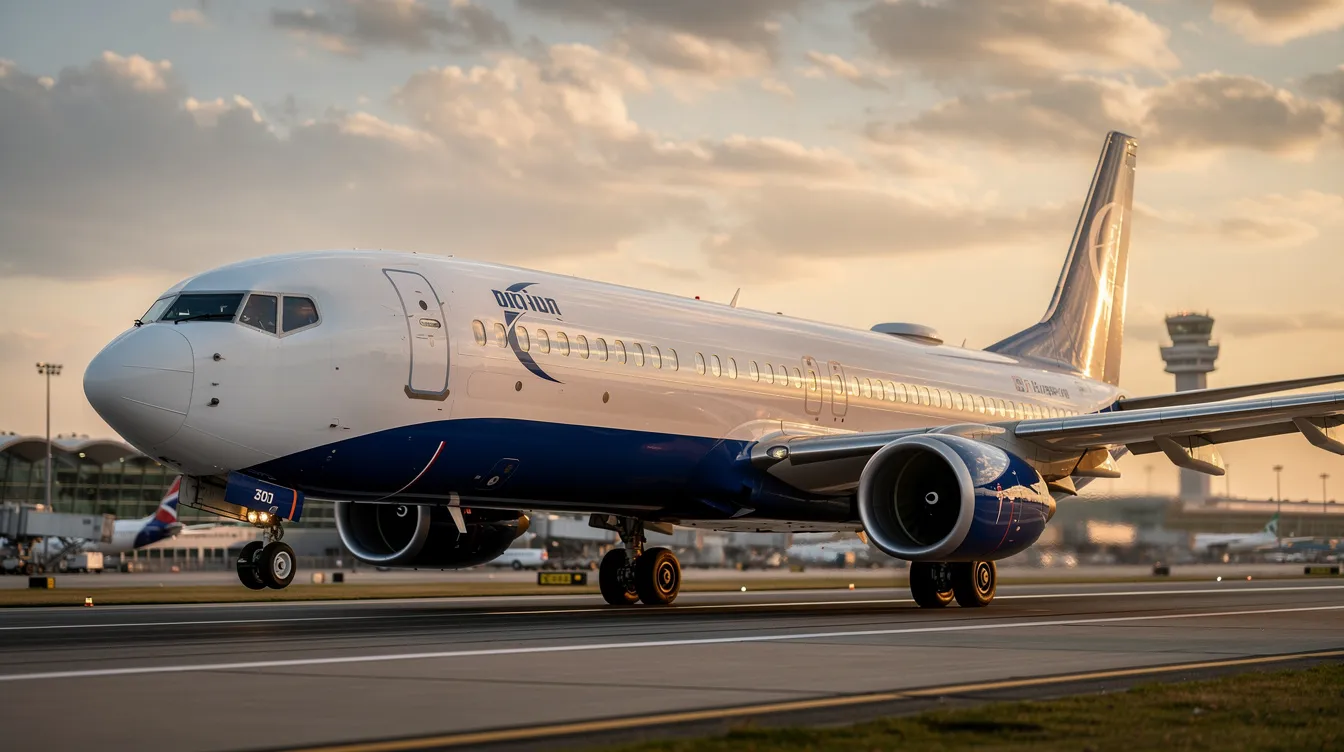
The Boeing 737-800 dominates short and medium-haul commercial aviation worldwide. This guide is for frequent travelers, business executives, and anyone considering the differences between commercial and private aviation. It covers the Boeing 737-800’s features, performance, passenger experience, safety, and how it compares to private jet options. For travelers who value their time, understanding this aircraft means making smarter decisions about when to fly commercial and when private access delivers superior value.
Overview of the Boeing 737-800
The Boeing 737-800 is an airplane called the 737-800, and it stands as the best-selling variant of the 737 Next Generation family, with 5,220 aircraft ordered as of March 2026. This makes it a significant competitor to the Airbus A320 family, its primary rival. Since entering service in April 1998 with Hapag-Lloyd Flug (now TUIfly), this narrow-body aircraft has become the backbone of commercial aviation on routes spanning North America, Europe, and beyond.
Known as a premier 'global workhorse' in the narrow-body category, the 737-800 is often referred to as an 'airline workhorse' because of its flexibility. It is primarily used for domestic and regional international flights, including transcontinental hops across the U.S. or intra-European routes. The aircraft is a stretched version of the 737-700, designed to replace older aircraft like the 727-200 and 737-400.
Many BlackJet clients connect from commercial routes—often aboard working 737-800 aircraft—to private segments arranged through leading private jet companies and programs. Understanding this plane helps travelers plan seamless, time-efficient itineraries that maximize productivity while minimizing wasted hours in terminals.
The 737-800 typically accommodates 162 to 189 passengers depending on class configuration, with airlines optimizing it for routes up to approximately 3,115 nautical miles (5,765 km) with a full load. The airplane serves many places, including airports and routes such as Cebu, highlighting its versatility. Southwest, Ryanair, American Airlines, United Airlines, and Alaska Airlines all operate substantial fleets of this workhorse. While the aircraft excels at moving large numbers of passengers efficiently on trunk routes like New York to Chicago or Los Angeles to Dallas, it contrasts sharply with the privacy and flexibility available through BlackJet’s dedicated private aircraft, where travelers control the schedule rather than conforming to it.
History and Development of the 737-800
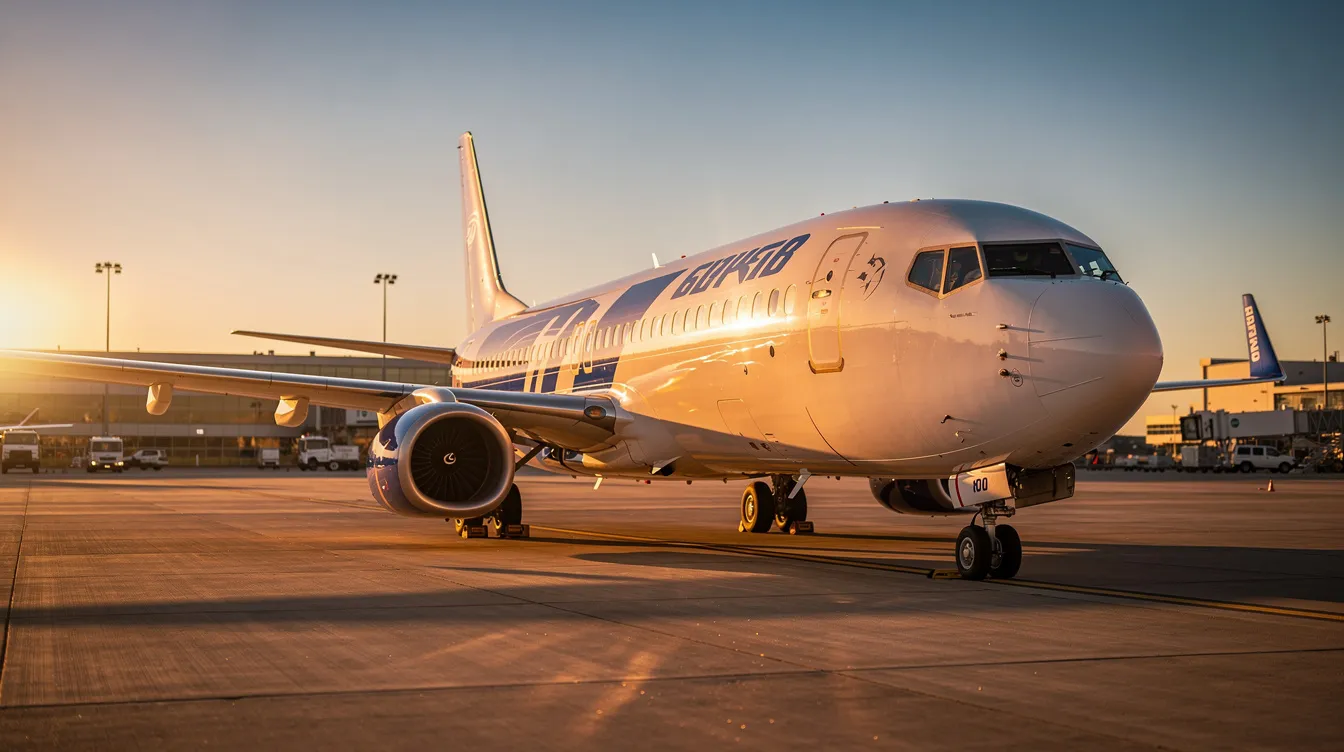
The 737 Next Generation program launched in 1993 as Boeing’s response to demands for better fuel efficiency, extended range, and increased seating capacity over the earlier 737 Classic series. Competition from low-cost carriers drove airlines to seek aircraft that could deliver lower per-passenger operating costs.
Boeing officially launched the variant called the 737-800 in September 1994 as a stretched version designed to replace the 737-400. The aircraft flew for the first time on July 31, 1997, in Germany, completing development weeks ahead of schedule. It entered commercial service the following April.
The 737-800 shares high commonality in parts and pilot type-rating with other Next Generation (NG) and MAX models.
The design delivered meaningful improvements: 20 to 30 additional seats compared to its predecessor, extended range capabilities, and reduced fuel burn per passenger through redesigned wings and CFM56-7B engines. Cockpit commonality across the NG family (-600, -700, -800, 900) and the newer MAX models allows airlines to train pilots on a common type rating, slashing training costs significantly and simplifying fleet management.
Boeing ended passenger 737NG assembly in 2019, with final deliveries completed in 2020. The 737 MAX now represents the current generation, though thousands of 737-800s remain active in fleets worldwide—a testament to the aircraft’s enduring reliability.
Design, Engines, and Performance
Aerodynamics and Winglets
The Boeing 737-800 airplane combines enhanced aerodynamic design with efficient powerplants optimized for short to medium-haul missions. These engineering choices translate directly into schedule reliability and cost-effectiveness, which matter when travelers need predictable connections. In terms of fuel efficiency, the 737-800 burns approximately 4.88 US gallons per seat per hour, making it slightly more efficient than the Airbus A320's 5.13 US gallons per seat per hour and a cost-effective option for airlines.
The wing redesign versus older 737s delivers substantial gains: wingspan reaches 35.8 meters (117 feet 5 inches) with blended winglets, which reduce drag to improve fuel efficiency by up to 3.5%. Advanced winglets further enhance fuel savings and takeoff performance. The wing area is approximately 25% larger than that of Classic variants, and fuel capacity is roughly 30% greater. This adds about 900 nautical miles to the range, extending it to just over 3,115 nmi—sufficient for transcontinental routes or Atlantic crossings to limited destinations.
Engines and Fuel Efficiency
Power comes from two CFM56-7B turbofan engines, with variants delivering 24,000 to 27,300 pounds of thrust per engine. These powerplants offer quieter operation than predecessors and contribute to the airplane’s 7 to 10 percent fuel efficiency improvement per seat over the 737-400.
Performance Specifications
Key performance specifications for the Boeing 737-800 are as follows:
Metric | Value |
|---|
Cruise speed | Mach 0.79 (approximately 460 knots or 842 km/h) |
Service ceiling | 41,000 ft |
Maximum takeoff weight | Up to 79,016 kg |
Typical range | Approximately 3,115 nmi |
Dispatch reliability | 99% (NG variants in major airline fleets) |
The 737 fuselage is roughly 7 inches narrower than the Airbus A320 family, resulting in narrower seats and tighter aisles. The 737-800 is known for fast turnaround times, often 35 minutes or less, and the ability to fly six or more legs a day, maximizing aircraft utilization.
When it comes to cabin layout, seat width on the 737-800 typically ranges from 17 to 18 inches between the sides of the armrests, depending on airline configuration, providing a comfortable experience for passengers.
Cabin Layout, Seating, and Passenger Experience
Seating Configurations
The standard 3-3 abreast main cabin configuration reflects the 737-800’s status as a narrow-body aircraft optimized for passenger volume rather than spaciousness. Exact comfort depends heavily on each airline’s interior choices, with seat width and comfort features varying across both sides of the aisle.
Seating capacity ranges from 162 in two-class configurations to 189 in high-density layouts. Some carriers push even higher. The Boeing 737-800 offers a standard seat pitch that varies by airline configuration, typically providing legroom that enhances passenger comfort during flights. Economy pitch typically falls between 30 and 32 inches, though budget operators like Ryanair configure tighter at 28 to 29 inches. Seat width remains consistent with narrow-body standards, and most configurations include movable armrests in economy. Certain amenities or exits are located on the left side of the aircraft when facing forward, helping passengers orient themselves within the cabin.
Cabin Features
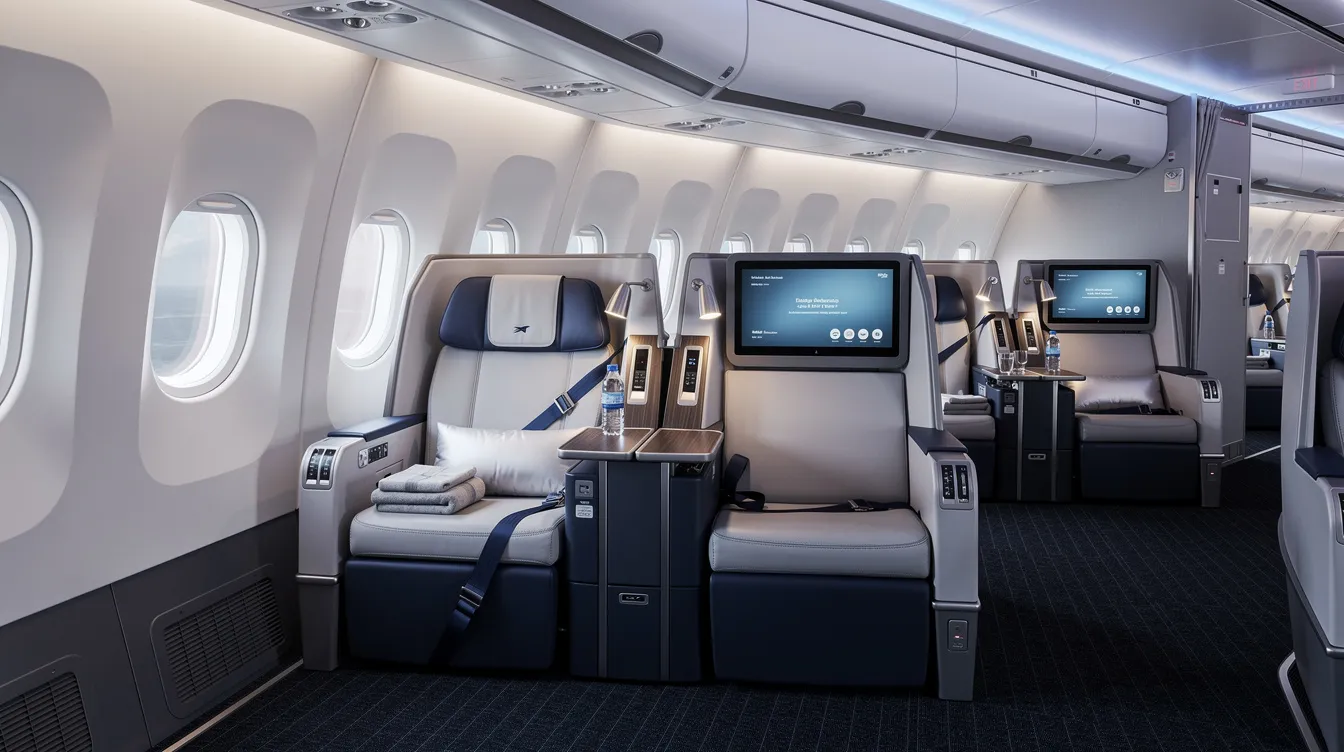
The cabin of the Boeing 737-800 is designed with Boeing's Sky Interior, which includes features such as larger overhead storage bins and LED mood lighting to enhance the overall passenger experience.
Boeing Sky Interior features—sculpted sidewalls, LED mood lighting, and larger pivoting overhead bins with 50% more volume—have been retrofitted to many 737-800s, improving perceived space. Alaska Airlines equips its 737-800 fleet with 159 to 161 leather Recaro seats, in-seat power for your personal device, Wi-Fi access, and streaming entertainment, representing the premium end of commercial 737 experiences.
Passenger Amenities
These amenities contrast sharply with private aviation. BlackJet’s premium private jet card programs typically provide aircraft that seat 4 to 16 passengers with 40+ inches of pitch, bespoke catering, complete privacy for confidential calls, and no queue for anything. Travelers curious about entry points into private aviation can even buy a seat on a private jet via shared or semi-private services on select routes. A traveler might board a 737-800 for a regional hop from New York to Chicago, then switch to a BlackJet jet card flight for direct, private access to a smaller airfield near their final destination—saving two to four hours versus full commercial routing.
Safety Record, Inspections, and Structural Concerns
The 737 Next Generation family, including the 737-800, maintains a strong safety record that travelers can fly with confidence. As of January 2020, the series has been involved in 22 hull-loss accidents and 13 hijackings, resulting in a total of 767 fatalities. However, an analysis by Boeing shows that the Next Generation series has a hull loss rate of 0.17 per million departures, which is significantly lower than the 0.71 for the classic series and 1.75 for the original series, reflecting decades of operational refinement.
In 2019, the FAA issued an Airworthiness Directive as the subject of regulatory concern after fatigue cracks were found on a fuselage-to-wing attachment known as a 'pickle fork', which was designed to last a lifetime of 90,000 flights. Inspections revealed these cracks in aircraft exceeding 30,000 cycles, initially affecting roughly 5% of inspected aircraft. This prompted ultrasonic inspections and led to approximately 100 aircraft being temporarily grounded while Boeing developed reinforced fittings. No accidents resulted from this issue, and corrective actions resolved the matter by 2020.
Other incidents have occurred over the 737-800’s operational life. Aviation Safety Network logs approximately 20 hull losses since 1998, including CFIT accidents and runway excursions. Despite these events, and although the media sometimes sensationalizes or disproportionately reports on Boeing incidents, the type maintains strong statistical safety relative to over 100 million flights operated. A 2005 lawsuit over allegedly defective parts was ultimately decided in Boeing’s favor.
BlackJet applies additional scrutiny to all operating partners. Independent safety ratings through organizations like ARGUS and WYVERN, combined with proprietary certification standards that often exceed commercial norms, provide reassurance for travelers who divide time between commercial and private aviation.
Specifications of the Boeing 737-800
For travelers who want concrete numbers to compare aircraft, the 737-800 specifications provide useful benchmarks against both other commercial types and private alternatives.
The aircraft measures 39.5 meters (129 ft 6 in) in overall length with a wingspan of 35.8 meters including winglets. The height reaches 12.5 meters at the tail. Standard seating ranges from 162 to 189 passengers, depending on airline configuration, with a cargo capacity of approximately 30 to 40 cubic meters supporting mixed passenger and freight operations.
Performance specifications reflect the aircraft’s design mission: range exceeds 3,000 nmi depending on configuration, maximum cruise speed reaches Mach 0.79, and typical fuel burn runs approximately 3,200 liters per hour—representing meaningful improvements over earlier 737-400 variants that the type replaced. For organizations considering fleet expansion or bespoke operations, a dedicated guide to buying a Boeing 737 for private or commercial use explains how these specifications translate into ownership decisions.
CFM56-7B engines deliver thrust in the 24,000 to 27,300 lbf range, supporting short-field performance from challenging airports. Takeoff distance at maximum takeoff weight of 70,530 kg runs approximately 2,300 meters.
Some 737-800s have been converted to freighters (737-800BCF/SF) featuring large cargo doors and approximately 2,000 nmi range. Over 100 conversions support global e-commerce logistics—supply chains that many BlackJet clients depend upon for their business operations, whether they’re flying to major hubs or niche markets like private jet charters in Karachi that connect directly into regional commercial centers.
Boeing 737-800 in Business and Private Aviation
While the 737-800 serves primarily as a commercial airliner, its airframe underpins various Boeing Business Jet models tailored for corporate and VIP travel.
The BBJ2, based on the 737-800 platform, features an extended fuselage approximately 19 ft longer than the BBJ1 (based on the 737-700), delivering about 25% more cabin space. Winglets come standard, though range decreases slightly compared to smaller BBJ variants due to increased size and weight.
Interior options on BBJ2 aircraft transform the platform entirely: boardroom-style conference areas, full-size bedrooms, private offices, and showers serve 19 to 50 VIP passengers in configurations that bear no resemblance to commercial layouts. New BBJ2 aircraft cost $90 to $110 million.
BlackJet jet card members typically access dedicated business jets rather than airliner-size BBJs, choosing among different types of private jets that match mission profile and group size, but the 737 platform illustrates how flexible and scalable private aviation can be. Consider a multinational executive team: they might fly commercially on a 737-800 into a major hub, then connect seamlessly to a BlackJet-arranged large-cabin private jet for 20 passengers for private access to secondary airports near their actual destination.
Comparing the 737-800 to Other Aircraft
The 737-800 competes directly with the Airbus A320ceo, sharing comparable seating capacity (150 to 180 passengers), similar range (approximately 3,100 nmi), and matching cruise speed around Mach 0.78. The 737-800 maintains an edge in short-field performance and benefits from extensive cockpit commonality across variants.
Newer types like the 737 MAX 8 and A320neo deliver 7 to 20 percent fuel savings through advanced engines like the LEAP-1B, along with reduced noise and lower emissions. Despite these improvements, many airlines retain 737-800 fleets due to proven reliability, already-paid-down ownership costs, and established maintenance infrastructure representing billions in sunk investment.
The comparison to private jets reveals fundamental differences in value proposition: travelers weighing various membership models, from NetJets to independent providers, can benefit from an overview of NetJets jet card cost and benefits when assessing how traditional programs stack up against BlackJet’s approach. Understanding the broader private jet price list and cost structures helps travelers quantify how those differences translate into real budget and time trade-offs.
Factor | 737-800 Commercial | Private Jet via BlackJet |
|---|
Passenger count | 162–189 | 4–16 |
Airport access | Major hubs only | 1,000+ airports |
Security process | 60–90 minutes | 10–15 minutes |
Schedule flexibility | Fixed airline times | Depart when ready |
Door-to-door time | Often 2x air time | Minimized |
BlackJet positions jet cards as an alternative to aircraft ownership, offering access to varied cabin classes—light, midsize, super-midsize, and large-cabin—that complement rather than replace commercial flights on aircraft like the 737-800.
Sustainability and the Boeing 737-800
Narrow-body aircraft like the 737-800 deliver relatively efficient per-passenger-kilometer performance compared with older jets, particularly at high load factors typical of commercial operations. The aircraft burns approximately 0.025 to 0.03 kg of CO₂ per passenger-kilometer at 85% load.
Winglets and refined aerodynamics reduce drag by 3 to 5 percent versus non-winglet configurations. CFM56-7B engines yield 10 to 15 percent lower fuel burn per seat compared to Classic variants. High fleet utilization—many 737-800s operating 10 to 14 hours daily—amplifies these efficiency gains across the air transport system.
Many carriers now blend sustainable aviation fuel or participate in carbon offset programs for 737-800 operations. Ryanair has announced targets for carbon neutrality by 2030, while Delta and others use 10 to 50 percent SAF blends on selected routes.
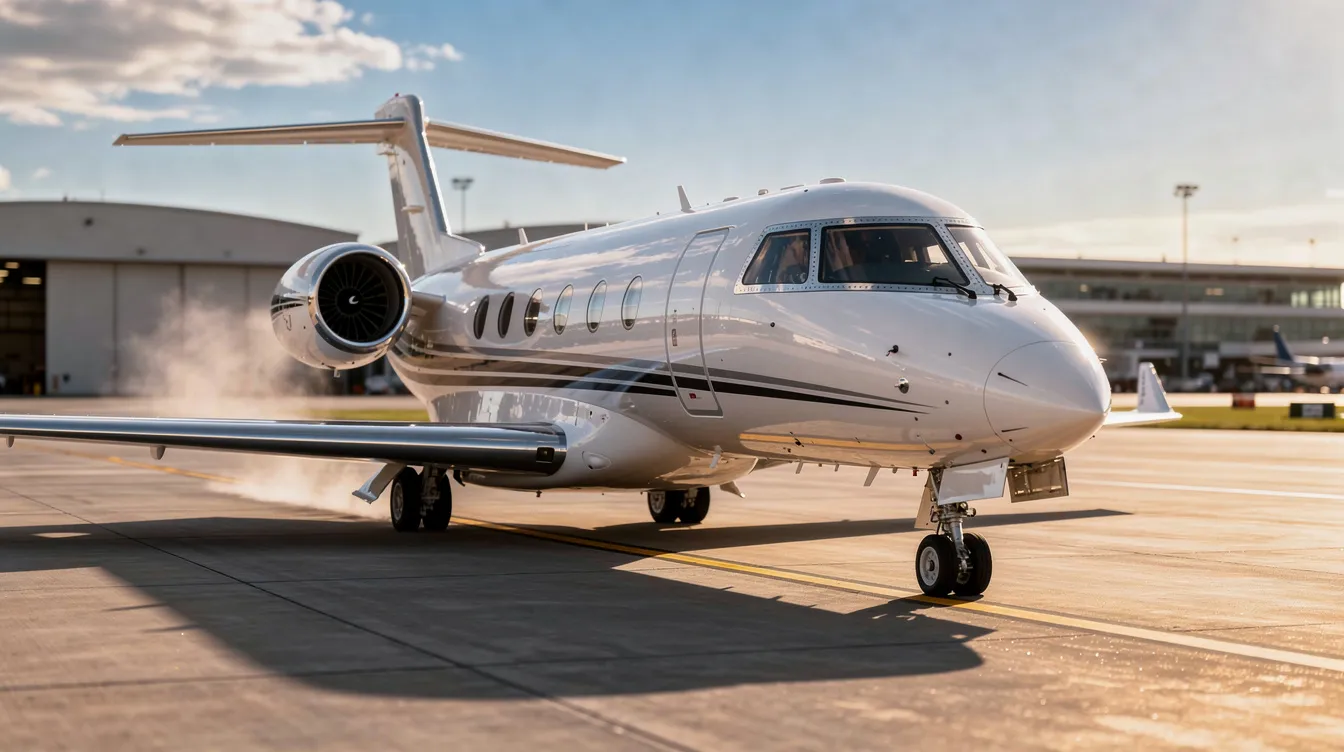
BlackJet approaches sustainability differently: carbon-neutral flights come standard at no additional cost, with integrated offset programs and selective use of modern, fuel-efficient private aircraft. Travelers exploring more economical entry points to private aviation can consider the cheapest private aircraft and budget-friendly options, including efficient VLJs and turboprops that keep fuel burn lower, or review the most affordable private jet options that balance acquisition or charter cost with ongoing environmental impact. Hybrid trips combining 737-800 trunk routes with private final legs can reduce total emissions by 20 to 30 percent compared with all-private routing for larger groups—demonstrating that environmental responsibility and time-saving advantages need not conflict.
Flying Commercial vs Flying Private with BlackJet
Time represents the most valuable asset for high-net-worth and executive travelers. Every hour spent in security lines, connection terminals, or circuitous routings carries a real cost.
Consider a business traveler flying from Los Angeles to Dallas: the 737-800 segment runs approximately 3 hours in the air, but total door-to-door time—ground transport, security, boarding, deplaning, and connections—easily reaches 7 days. A BlackJet-arranged direct flight into a regional airport cuts that total to 3.5 hours, a 50% reduction.
Key differences between the two modes:
Security and boarding: Commercial requires 60 to 90 minutes; private aviation reduces this to 10 to 15 minutes
Privacy: Sensitive business calls happen freely on private aircraft; commercial cabins offer none
Schedule control: Private departures adjust to your calendar; commercial service operates on fixed schedules
Luggage handling: Private aviation eliminates claim delays and lost bag risks
BlackJet’s jet card model—available in 25-hour and 50-hour prepaid blocks—provides guaranteed availability without peak surcharges or the complexity of full aircraft ownership (which often exceeds $5 million annually in total costs). For travelers comparing membership options, understanding jet card cost and pricing structures helps clarify when predictable hourly rates deliver the best value. Many clients strategically mix modes: using 737-800 commercial service for dense trunk routes and BlackJet for high-value, time-critical, or remote segments where private aviation delivers maximum return on investment.

Frequently Asked Questions about the Boeing 737-800 and Private Jet Travel
Is the Boeing 737-800 a safe aircraft to fly?
Yes. With a hull loss rate of approximately 0.17 per million departures, the 737-800 maintains an excellent safety record supported by redundant systems including TCAS and EGPWS. Post-2019 structural inspections and fixes addressed all identified concerns. BlackJet operators undergo additional vetting through independent ratings like ARGUS, exceeding standard commercial certification requirements.
How comfortable is the 737-800 compared with other commercial jets?
Comfort varies significantly by airline. Boeing Sky Interior features, 30 to 32 inch pitch, and Wi-Fi match competitive offerings on A320 family aircraft. Premium carriers like Alaska deliver notably better experiences than ultra-low-cost configurations. Overall, the 737-800 represents standard narrow-body comfort—fine for short flights, less ideal for transcontinental journeys.
What’s the difference between a 737-800 and a private jet in terms of experience?
The 737-800 moves 162+ passengers through hub airports with standard commercial service protocols. Private jets seat 4 to 16 in bespoke interiors, access 1,000+ airports, eliminate security queues, and depart on your schedule. BlackJet jet cards provide this access without ownership complexity.
When does it make sense to combine a 737-800 commercial flight with a BlackJet private leg?
Ideal for trunk route plus remote destination combinations. Example: fly commercially from New York to Chicago on a 737-800, then connect via BlackJet to the Hamptons—saving three or more hours versus full commercial routing while optimizing cost.
How does BlackJet handle safety and certification compared with major airlines?
BlackJet applies proprietary standards plus WYVERN and ARGUS audits, often exceeding FAA norms through real-time operator vetting and continuous monitoring. Commercial airlines operate under standard FAA oversight. Both modes maintain strong safety records; BlackJet adds additional verification layers.
How BlackJet Enhances Your Travel Beyond the 737-800
Understanding the Boeing 737-800 empowers travelers to design smarter itineraries. Its efficiency serves trunk routes well, but recognizing its limitations—hub dependency, fixed schedules, time costs—reveals where private aviation delivers superior value.
BlackJet’s core pillars address precisely these gaps: premier jet card access across multiple cabin classes, rigorous safety vetting exceeding commercial norms, carbon-neutral flights as standard, and a digital booking platform with real-time support. Frequent flyers evaluating membership options can review the best jet cards for regular private travelers to see how features like guaranteed availability and transparent pricing align with these pillars. These capabilities enable door-to-door itineraries that integrate commercial 737-800 segments with private flights, reducing total travel time, stress, and environmental exposure simultaneously.
Explore BlackJet Jet Card options or speak with a BlackJet advisor to discover how strategic use of both commercial and private aviation can reshape your travel approach—with discretion, flexibility, and efficiency that commercial service alone cannot match.
Conclusion: Elevate Your Travel Experience with BlackJet
While the Boeing 737-800 remains a stalwart in commercial aviation, travelers who love efficiency and flexibility will find BlackJet’s private jet solutions a compelling complement. By blending the reliability and reach of commercial aircraft like the 737-800 with BlackJet’s seamless private jet access, you gain unparalleled control over your journey—saving time, enhancing comfort, and flying with confidence in safety and sustainability.
Discover how BlackJet can transform your travel experience by visiting www.blackjet.com. Whether you’re a frequent business traveler or discerning leisure flyer, BlackJet offers the strategic advantage of private aviation without the complexities of ownership. Elevate your journey with effortless booking, premier safety standards, and carbon-neutral flights—because your time and peace of mind deserve nothing less.


 Sign up with google
 Sign up with Apple