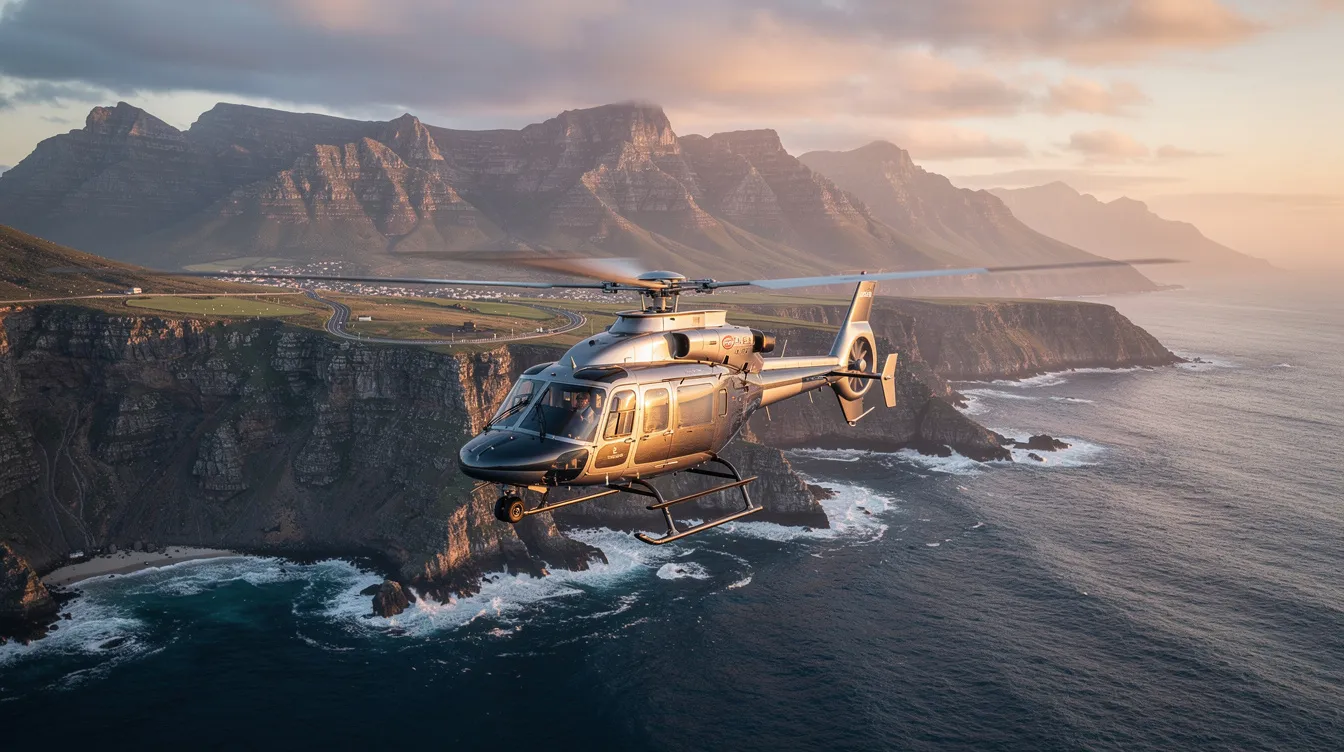
The Bell 429 GlobalRanger occupies a rare position in aviation: fast enough to rival light jets over short distances, versatile enough to save lives, and refined enough to serve as a flying boardroom. Here is what makes this helicopter a strategic asset and how it fits into a complete private travel strategy.
Executive Overview: Why the Bell 429 Matters for High-End and Mission-Critical Travel
Twin-engine light helicopters are not luxury toys. For executives, government agencies, and EMS operators conducting time-critical missions, aircraft like the Bell 429 support executive and mission-critical work travel with something no plane or ground vehicle can: direct, vertical access to locations without runways, paired with the redundancy and instrument flight rules capability required for safe, all-weather operations—qualities that parallel many of the world's top-performing private jets.
The Bell 429 GlobalRanger is a versatile twin-engine light helicopter introduced in 2009, designed to fly corporate transport, public safety patrols, search and rescue, and helicopter emergency medical services. It can be configured for multiple roles without needing a different aircraft-a sort of Swiss-army-knife approach to rotary-wing aviation. The model supports a maximum speed of 287 km/h (approximately 155 knots at cruise, with the maximum speed sitting roughly five knots above typical cruise). Its range reaches 411 nautical miles, and it can accommodate up to 7 passengers and 1 pilot in standard configuration-or up to 8 passengers in certain layouts, a useful benchmark when comparing 12-seater private jet costs and configurations for larger groups or even deciding how to buy a seat on a private jet when helicopters are only one segment of the journey.
The aircraft is designed to provide efficient access to remote areas where fixed-wing infrastructure simply doesn't exist. At BlackJet, while we primarily provide fixed-wing private jets via premium private jet cards and membership programs and on-demand charter, we frequently coordinate seamless transfers to helicopters like the Bell 429 to complete door-to-door itineraries for our members.
Development and Certification History of the Bell 429 GlobalRanger
The program's origin traces to the early 2000s, when Bell pursued its Modular Affordable Product Line concept. Korea Aerospace Industries participated as a key development partner alongside Mitsui Bussan Aerospace of Japan, collaborating on an airframe that would exceed the cabin volume and performance of its predecessor, the Bell 427. Despite parts and material shortages across the aerospace supply chain, the prototype completed its maiden flight on February 27, 2007.
Certification came swiftly. Transport Canada granted type certification on July 1, 2009; the Federal Aviation Administration (FAA) followed days later. EASA certification was received in September 2009. The Bell 429 has been used for emergency medical services since 2009, with Air Methods Corporation among the first operators receiving production aircraft for EMS missions. The "GlobalRanger" designation reflects Bell's intent for a worldwide utility platform built to handle climates from Middle Eastern deserts to Scandinavian winters-the helicopter has flight capabilities that allow operation in hot and high environments. By 2026, the fleet has accumulated over 330,000 flight hours in service and is operated by 4 air forces across multiple countries, including Canada, Australia, and nations in the Middle East.
Airframe, Rotor System, Tail Rotor Gearbox, and Powertrain Design
The Bell 429 uses extensive composite construction-carbon fiber and bismaleimide resins across the cabin structure, tailboom, and empennage. The flat-floor cabin and modular interior design allow operators to customize between VIP, EMS, and law enforcement configurations with minimal downtime. Optional rear clamshell doors enhance loading capabilities for stretchers or bulky equipment.
Key design elements include:
Main rotor: Four-blade composite rotor with swept tips that reduce vibration and acoustic footprint. The helicopter features low-noise rotor technology to reduce acoustic signatures, a critical advantage for urban operations.
Tail rotor: An X-configured tail rotor mounted high for ground clearance and reduced noise. The tail rotor gearbox follows scheduled overhauls, with intervals around 3,200 hours TBO in comparable configurations.
Landing gear: Standard skid gear keeps weight low; the Bell 429WLG variant offers retractable wheeled landing gear as an option for easier ramp handling.
Powertrain: The helicopter is equipped with two Pratt & Whitney Canada PW207D1 or PW207D2 engines, each producing up to approximately 719 shp at takeoff. FADEC electronic engine control ensures reliability and strong engine-inoperative performance. Maximum takeoff weight reaches 7,000 lbs (3,629 kg maximum gross weight) with options for increased gross weight approvals.
The usable fuel capacity is roughly 215 US gal, supporting the aircraft's considerable range and payload for its class.
Avionics, Instrument Flight Rules Capability, and Safety Features
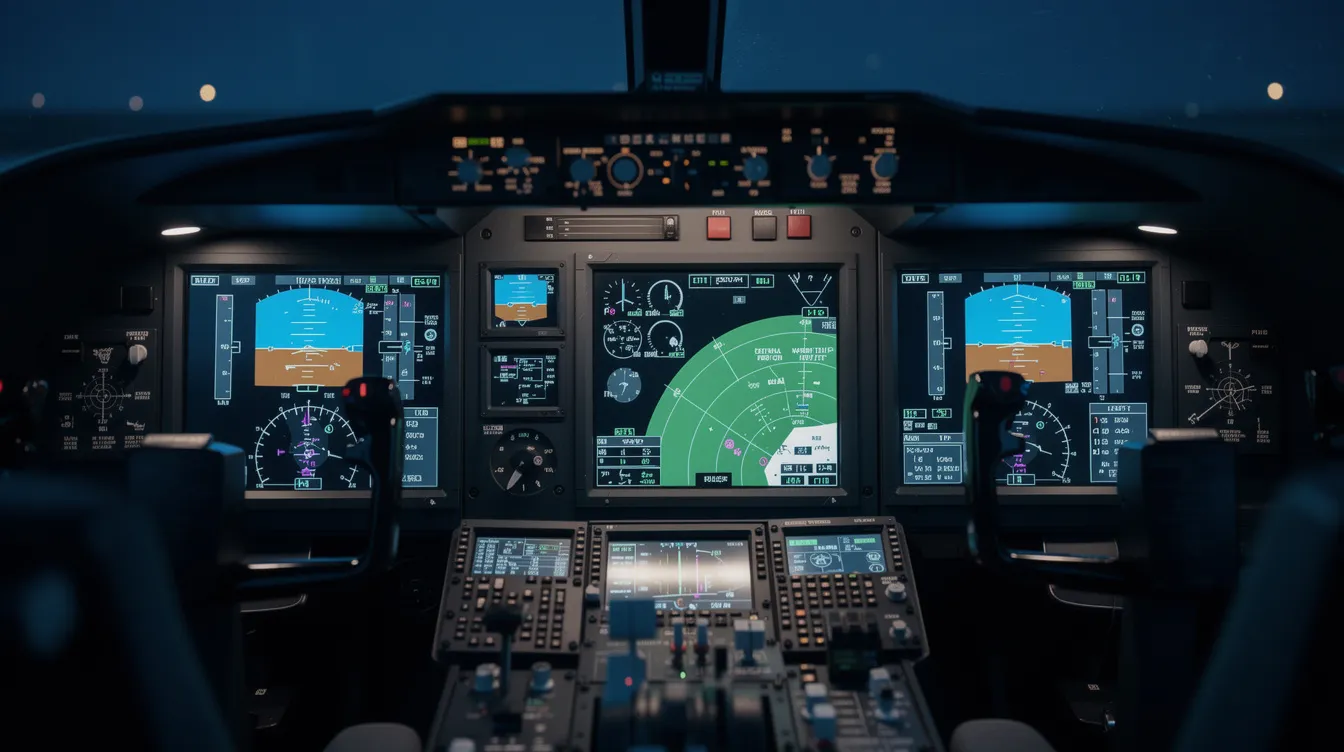
The Bell 429 is certified for single-pilot instrument flight rules operations, supported by its advanced avionics, which include the Bell BasiX-Pro integrated glass cockpit system with large-format LCD displays-a philosophy similar to the modern business jets BlackJet members rely on for safety.
Standard equipment and available upgrades include:
Autopilot and stability: A three-axis autopilot with stability augmentation is standard; a four-axis option is available. The flight director integrates with navigation for single-pilot IFR workload reduction.
Navigation and awareness: WAAS GPS, radar altimeter, HTAWS terrain awareness, ADS-B, and performance data computing. The BasiX-Pro system automates flight calculations to enhance situational awareness.
Redundancy and crashworthiness: Category A performance allows safe continuation or abort during takeoff under engine failure. Redundant hydraulic and electrical systems, crashworthy fuel system, and crashworthy seats are standard.
It is worth noting that when BlackJet arranges helicopter transfers, our team prioritizes operators with rigorous FAA certification, robust maintenance records, and complete compliance with Part 135 standards.
Cabin Experience: VIP Transport, HEMS, and Public Safety Configurations
The Bell 429 features a cabin volume of 204 ft³-the widest door opening in its class and roughly 30% more volume than many competing light twins. The aircraft features a spacious and configurable cabin designed for various missions, and serves as a rotary-wing counterpart to 16-seat large-cabin private jets used for higher-capacity fixed-wing legs:
VIP / corporate: Club seating for up to six passengers in the main cabin, with options for seven or eight total. Materials and finishes can be tailored to match the expectations of executives connecting from a BlackJet private jet. Understanding helicopter pricing factors and different private jet sizes helps companies plan budgets for these configurations.
HEMS: The flat floor and optional rear clamshell doors simplify patient loading and stretcher access. Space accommodates one or two litters, medical equipment, and staff working on patients during flight; cabin height makes the difference for medical team ergonomics.
Public safety: Sensor turrets, searchlights, mission consoles, and tactical team seating transform the same airframe into a law enforcement or coast guard platform.
This versatility means a single operator can transition the same helicopter between suite-like VIP comfort and mission-ready utility, depending on the order of the day.
Performance, Range, and Operational Roles Worldwide
The Bell 429's performance data speaks directly to why operators across more than 40 countries trust this model:
Speed: Maximum cruise of 155 knots (287 km/h)
Range: 720 km (approximately 411 nautical miles), depending on load and reserves
Ceiling: Service ceiling of 20,000 feet (6,096 m)
Payload: Varies by configuration, but the aircraft's weight margins allow meaningful passenger and cargo combinations even at altitude.e
These figures translate into real-world value: corporate hops between financial centers, overwater flights to offshore platforms, and regional EMS coverage radii of 200+ nautical miles from major hospitals, complementing the capabilities of private jets sized for 15 passengers on longer segments. The fleet is operated by police services, air medical providers, coast guards, and smaller military air arms in countries as diverse as Oman, Guatemala, Morocco, and Australia, where it often connects with large-cabin jets accommodating around 20 passengers for international movements. By October 2024, Bell had delivered over 500 units to date, reflecting demand patterns similar to the rise of 30-passenger private jet charters for large-group travel.
For BlackJet trip planning, a Bell 429 can bridge the last 50–100 nm from a regional jet arrival to a mountain resort or coastal estate, saving clients over an hour versus ground transport in Dec through February winter conditions or peak summer traffic, especially when paired with 50-passenger private jet solutions for larger parties on the main leg.
Bell 429 vs Fixed-Wing Private Jets: How BlackJet Integrates Helicopter Access
A light jet covers 1,000+ nautical miles at 400+ knots. The Bell 429 covers the final leg-rooftop to estate, airport to yacht-where no runway exists. Neither replaces the other; together, they complete a seamless door-to-door strategy.
BlackJet's Jet Card and charter programs can incorporate helicopter legs with coordinated schedules, a unified itinerary, and a single point of contact available 24/7, supported by a clear understanding of jet card pricing structures and benefits, whether you're evaluating a 100-hour jet card cost in detail, a 50-hour jet card pricing guide, specific providers such as Flexjet jet card options, or comparing with NetJets jet card pricing. Consider this scenario: a client flies New York to Nantucket by light jet, then transfers via a Bell 429 for a 30-minute flight to a private island, avoiding a two-hour ferry. The entire journey-booked through one platform-takes less time than a commercial connection, illustrating many of the practical benefits of chartering a private jet.
We apply the same safety vetting to rotary operators that we require of our fixed-wing partners, and our carbon-neutral flight commitment extends to helicopter segments as well, even for clients exploring more affordable private jet options.
Variants, Market Considerations, and Frequently Asked Questions
Variants at a glance:
Standard Bell 429: Skid gear, baseline avionics
Bell 429WLG: Retractable wheeled landing gear for ramp operations
EMS models: Interior layouts for stretchers, medical equipment, rear loading
Law enforcement / VIP packages: Sensor suites, enhanced interiors, mission consoles
Market snapshot: The average price of a Bell 429 is approximately $7.3 million new. On the pre-owned market, approximately 2 Bell 429 aircraft are currently listed for sale, and active listings show Bell 429 aircraft average 3,201 flight hours. Bell 429 aircraft typically spend about 281 days on the market, and one Bell 429 aircraft sold in the past year, reflecting limited supply and strong demand among operators and companies worldwide.
Frequently Asked Questions about the Bell 429 GlobalRanger
Q: What makes the Bell 429 suitable for both corporate and emergency medical services?
A: The Bell 429's versatile cabin design, flat floor, and optional rear clamshell doors allow quick reconfiguration between VIP layouts and EMS stretcher setups. Its twin-engine safety, IFR certification, and advanced avionics ensure reliable operation in all weather.
Q: How does the Bell 429 compare to fixed-wing private jets?
A: While fixed-wing jets cover longer distances faster, the Bell 429 excels in vertical takeoff and landing, providing direct access to locations without runways. It complements jets by bridging the last leg from the airport to the final destination.
Q: What are the key safety features of the Bell 429?
A: It features Category A performance for safe flight continuation after engine failure, redundant hydraulic and electrical systems, crashworthy fuel cells and seats, plus certified single-pilot IFR capability supported by a three-axis autopilot.
Q: Can the Bell 429 operate in extreme environments?
A: Yes, the helicopter's design supports hot and high environment operations, making it suitable for diverse climates from deserts to mountainous regions.
Q: What is the typical price range for a Bell 429?
A: New Bell 429 helicopters are priced around $7.3 million. On the pre-owned market, availability is limited, with aircraft often listed around 3,200 flight hours and spending roughly 281 days on the market.
Q: How many passengers can the Bell 429 carry?
A: Standard configurations accommodate up to 7 passengers plus 1 pilot, with some layouts allowing up to 8 passengers.
Q: What are the main variants of the Bell 429?
A: Variants include the standard skid-gear model, the Bell 429WLG with retractable wheeled landing gear, EMS-configured models with medical interiors, law enforcement versions with mission equipment, and VIP executive transport packages.
Q: How does BlackJet incorporate the Bell 429 into its private travel offerings?
A: BlackJet integrates the Bell 429 for helicopter transfers, complementing fixed-wing private jets, offering seamless door-to-door travel with 24/7 support, safety vetting, and carbon-neutral flight commitments.
Conclusion: The Bell 429 GlobalRanger as a Strategic Asset in Private Aviation
The Bell 429 GlobalRanger stands out as a premier choice for discerning travelers and mission-focused operators who require more than just speed and luxury—they demand versatility, safety, and reliability. Its combination of advanced technology, spacious and configurable cabin, and robust performance makes it uniquely suited for executive transport, emergency medical services, and public safety roles worldwide.
For high net worth individuals and corporate travelers, the Bell 429 offers a seamless extension of private jet travel, providing direct access to remote or urban locations without compromising on comfort or safety. BlackJet’s integration of the Bell 429 into its Jet Card and charter programs exemplifies how rotary-wing aircraft complement fixed-wing jets to deliver a truly door-to-door private travel experience.
With rigorous safety certifications, cutting-edge avionics, and a commitment to sustainability through carbon-neutral flights, the Bell 429 GlobalRanger embodies the future of private aviation—where performance meets purpose, and every journey is tailored to elevate your travel experience.
Elevate your travel, effortlessly. Discover how BlackJet's Jet Card programs integrate aircraft like the Bell 429 into a seamless, carbon-neutral private travel strategy. Explore our Jet Card offerings and see how refined, meaningful travel becomes your new standard.


 Sign up with google
 Sign up with Apple