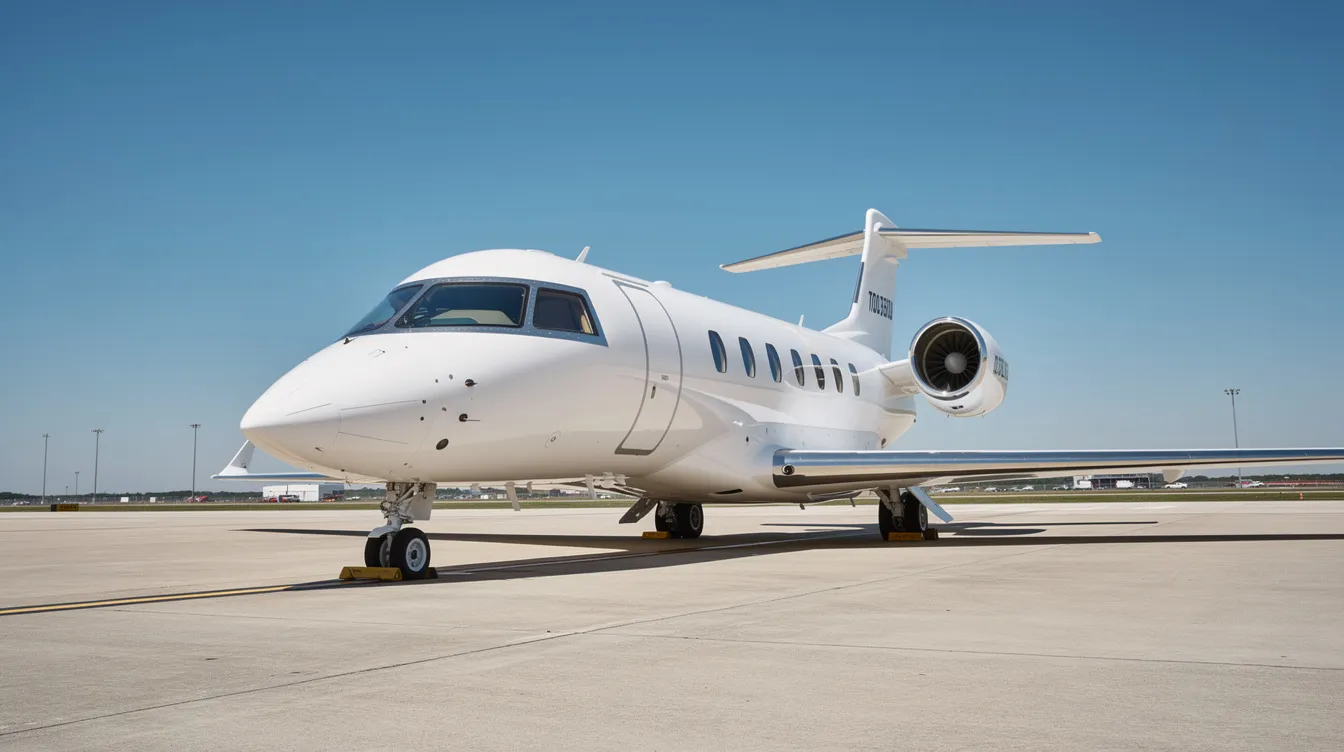
Aircraft sales jobs combine the complexity of high-value B2B transactions with the precision of a regulated, technology-driven industry. In practice, airplane sales jobs can mean selling whole aircraft, jet card memberships, or private charter solutions across OEMs, brokerages, charter operators, and membership providers such as BlackJet. For sales professionals looking to enter or advance in business aviation, this career path offers six-figure earning potential, access to a growing global market, and a specialized role where trust, safety knowledge, product expertise, and networking directly affect results.
This guide breaks down the main types of aircraft sales roles, day-to-day responsibilities, required skills and certifications, compensation, top hiring markets, where to find openings, current industry demand, and the career strategies that help reps build long-term success in luxury and business aviation.
What Are Aircraft Sales Jobs?
Aircraft sales jobs sit at the intersection of high-value B2B sales and luxury travel. Typical deal sizes range from $3 million for a light jet to $60 million or more for a large-cabin aircraft like a Gulfstream G700 or Bombardier Global 8000. Aviation sales involves long sales cycles and high-value transactions that require patience, product knowledge, and trust.
The term covers three distinct functions:
Selling whole aircraft (new or pre-owned) through OEMs like Textron or Gulfstream, or through independent brokerages
Selling jet card memberships and prepaid private jet hours, such as BlackJet's Jet Card programs, including 25-hour and 50-hour options
Selling aircraft charter solutions on a per-trip basis to corporations, family offices, and high-net-worth individuals
The difference matters for your daily work. A sales representative handling a 2018 Gulfstream G500 transaction navigates pre-purchase inspections, maintenance logs, and multi-month negotiations. An account executive selling a 50-hour Jet Card program manages higher client volume, shorter sales cycles, and recurring revenue. There are over 7,000 aircraft sales jobs in the U.S. across OEMs, brokerages, charter operators, and membership providers, and commission structures can push top earners past $400,000 in annual compensation.
Key Aircraft Sales Job Types in Business Aviation
Aircraft sales jobs are a broad label. The roles span from entry-level positions to senior leadership, and they vary based on whether you sell metal, memberships, or per-flight access. Here are the main job types in private aviation:
Account Executive (Jet Card & Aircraft Charter Sales): Sells recurring-access products like BlackJet Jet Cards to executives who currently fly commercial first class. Often remote or hybrid, with a territory focus (e.g., NY metro, NJ corridor, or California).
Aircraft Sales Broker (Whole Aircraft Transactions): Represents buyers or sellers of specific aircraft. Requires in-person hangar visits, demo flights, and technical fluency. Concentrated in hubs like Wichita, Dallas, and Fort Lauderdale.
Sales Director / Regional Sales Director: Leads a team of account executives or brokers across a defined territory. Responsible for setting quotas, implementing short- and long-term sales strategies, and managing the pipeline.
Business Development Manager: Focused on lead generation and partnerships with corporate travel departments, concierge services, and family offices. Often hybrid, with travel to business aviation hubs.
Inside Sales / Sales Support: Handles inbound inquiries, prepares proposals, manages CRM data, and processes documentation. Less travel; work location is typically a corporate office or remote setup, including positions in the Galleria area in Houston or Los Angeles.
Full-time is the dominant job type. Whole aircraft sales roles involve longer deal cycles; jet card and charter sales roles tend toward higher transaction volume with shorter close times.
Typical Aircraft Sales Job Description & Daily Responsibilities
While titles vary, most aviation sales job descriptions share common responsibilities around prospecting, building relationships, and managing complex deals. Sales professionals must maintain relationships over long periods to succeed in aircraft sales.
Core duties in a typical position:
Managing a sales pipeline using Customer Relationship Management systems, being organized is essential to track leads, proposals, and follow-ups across dozens of prospective clients
Qualifying leads by determining travel frequency (executives flying 50 to 200 hours per year), preferred routes, cabin requirements, and budget
Presenting options: comparing jet card membership vs. ad-hoc charter vs. aircraft ownership, covering business jet services and a full private jet price list of ownership and charter costs across multiple cabin categories
Inspecting jets and closing deals, which includes coordinating aircraft showings, scheduling demo flights, and preparing letters of intent
Aviation transactions often involve coordination with various professionals, including attorneys and lenders, so you will work closely with legal, finance, and operations teams
Aviation sales requires attention to detail regarding aircraft specifications and transaction documentation
For account executives selling recurring products like BlackJet Jet Cards, daily work includes running virtual demos of the mobile booking platform, explaining fixed hourly rates, and walking clients through real-time pricing tools. Building long-term trust is vital in aviation sales; clients who buy a 25-hour card this quarter should return for a 50-hour card next year.
Charter-focused roles center on quoting trips for routes like New York to Miami or Los Angeles to Aspen, calculating flight time, pairing customers with the right aircraft category, and handling repositioning fees. Business development duties include networking at events like NBAA-BACE and building referral networks with corporate travel managers.
Cargo and commercial airline sales roles within the broader aerospace department may require shift work, weekend coverage, and in-person attendance at airports, contrasting with the more flexible schedule of business aviation and jet card sales.
Skills, Background, and Certifications Needed for Aviation Sales
Aircraft sales jobs are less about holding a pilot certificate and more about mastering trust-based B2B sales in a regulated industry. Candidates should build aviation knowledge to communicate effectively with clients, but selling skills matter first.
Soft skills:
Consultative selling: listening to how clients travel, then tailoring the solution
High emotional intelligence for working with C-suite and UHNW individuals who expect discretion
Patience for long sales cycles; whole aircraft transactions can take six months or longer
Sales professionals must understand basic financial concepts in aviation, including depreciation, insurance, operating costs, and tax implications
Technical knowledge:
Understanding aircraft categories: turboprop, light jet, super-midsize, 16-seat large-cabin private jets; range, runway requirements, fuel consumption
Technical knowledge includes understanding aircraft systems and FAA regulations, including Part 135 (charter) and Part 91 (private operations)
Understanding aircraft valuation and market supply is crucial for aviation sales professionals, especially in the pre-owned market, where 74% of for-sale inventory is over 16 years old
Desirable backgrounds:
Prior experience in luxury sales (yachts, high-end real estate), B2B SaaS account executive roles, or financial advisory with affluent clients
Relevant experience in travel and hospitality with VIP clientele
Education and certifications:
There is no federal license required for most aircraft sales jobs, but a bachelor's degree is preferred. A bachelor's degree in aviation management or business administration is beneficial for a career in airplane sales.
Industry training through NBAA Professional Development Program courses, IABI broker certification, and internal safety and sustainability training from companies like BlackJet add credibility
Former commercial pilots or those with A&P mechanic credentials bring expertise that builds client confidence, though neither is a prerequisite

Compensation, Job Type, and Work Environment
Aviation sales compensation typically combines a base salary with commissions, bonuses, and occasionally profit-sharing. Full-time roles are the norm, though some independent brokers work on a 1099/commission-only basis.
Entry-level account executives in major U.S. markets start around $50,000 to $70,000 base, plus commission, while private jet broker salary potential can scale significantly higher with experience and deal volume
Experienced aircraft sales brokers and sales directors earn total competitive compensation from $150,000 to $400,000 or more, depending on deal flow and territory. Private jet sales salary data shows top brokers occasionally exceeding that range, and private jet pilot salary benchmarks provide helpful context for overall compensation levels in business aviation.
ZipRecruiter lists the average aircraft sales role pay at $80,655 per year as of 2026, with the majority falling between $55,500 and $102,000
Some cargo and airline sales positions publish starting pay around $44,400 per year and may require weekend shifts, while private jet stewardess salaries illustrate another high-touch customer-facing compensation track in the sector
Aircraft sales agents often work remotely and travel frequently. Business aviation and jet card sales roles offer more schedule flexibility, including remote and hybrid options. Whole aircraft broker roles require regular travel to hangars, client sites, and trade shows. Typical work locations include corporate offices in business districts, home offices for field sales covering territories from NY to NJ, and business aviation hubs like Teterboro or Van Nuys.
Benefits commonly include health, dental, and vision insurance; 401(k) retirement plans; travel perks; performance incentives; and professional development support. Some organizations also provide life insurance and training stipends.
Where to Find Aircraft Sales Jobs and How to Stand Out
Aircraft sales jobs concentrate in business aviation hotspots, and referrals heavily influence hiring. Breaking into sales in aviation requires B2B networking and technical literacy.
Aviation companies often post job vacancies on specialized aviation job boards, including AvJobs, JSfirm, and NBAA's career center. Job opportunities in aircraft sales are available on multiple platforms, and private plane stewardess jobs are frequently listed alongside sales and operations roles.
Search company career pages directly; providers like BlackJet list open roles for sales and business development positions
LinkedIn searches for "aircraft sales," "aviation sales," or "air charter service sales" surface active postings across the industry, including roles tied to private jets for sale in the UK and other regional ownership markets
Industry associations such as NBAA and regional business aviation groups maintain job boards and facilitate networking
Referrals can double your chances of interviewing in aviation sales. Build relationships with current aviation sales professionals and recruiters before you need them.
To stand out in your search:
Tailor your resume to highlight complex B2B or luxury sales achievements with quantified results (e.g., "closed $15M in new charter contracts in 12 months")
Identify specific materials and aerospace knowledge that match the job description
Network at concrete events: NBAA-BACE (October annually), regional conventions, local airport business association meetings
Align with companies focused on safety, sustainability, and technology. Providers like BlackJet, with carbon-neutral flights and digital booking tools, attract clients and sales talent who prioritize forward-thinking aviation and may also offer private jet leasing solutions alongside charter and membership products
Why Business Aviation & Jet Cards Are a Strategic Sales Niche
A New York-to-Chicago commercial journey, including security, boarding, and taxiing, consumes five or more hours. The same trip by private jet takes under two hours, door to door. For time-sensitive travelers, business aviation is a productivity tool, not a perk.
Consider a concrete use case: an account executive helps a York-based private equity partner replace monthly commercial trips with BlackJet Jet Card flights. The client saves hours per trip, gains confidential in-flight work time, and locks in fixed hourly rates. The sales professional earns a recurring commission on every renewal. Contrast this with traditional airline ticket sales: fewer clients, higher deal values, deeper relationships, and the service excellence that comes from operating at the top tier of the market.
Frequently Asked Questions (FAQs) About Aircraft Sales Jobs
Q1: What skills are crucial for success in aircraft sales jobs?
A1: Success in aircraft sales requires a crucial role in consultative selling, high emotional intelligence to engage with C-suite and UHNW clients, patience for long sales cycles, and a solid understanding of aviation technical knowledge, including aircraft categories and FAA regulations.
Q2: How can I sign up for an aircraft sales job at a company like BlackJet?
A2: To sign up for a role, visit BlackJet's careers page to explore current openings. Tailor your resume to highlight your ability in high-ticket sales and aviation knowledge, and leverage networking at industry events to increase your chances.
Q3: What education is needed for airplane sales jobs?
A3: While no federal license is required, a bachelor's degree in aviation management, business administration, or a related field adds quality to your application and improves your understanding of aviation sales objectives.
Q4: Are aircraft sales jobs remote or on-site?
A4: Many aircraft sales roles, especially jet card and charter sales, offer remote or hybrid work options. Brokers and whole aircraft sales agents often travel frequently to inspect jets and meet clients.
Q5: How do new aircraft management clients impact sales roles?
A5: Managing new aircraft management clients requires the ability to understand their unique objectives and coordinate with operations and legal teams to ensure quality service and long-term relationships.
Q6: What compensation can I expect in aircraft sales?
A6: Compensation varies by role and experience, with entry-level positions starting around $50,000 to $70,000 base plus commission, and experienced brokers and directors earning between $150,000 and $400,000 or more annually.
Q7: How important is networking in aircraft sales careers?
A7: Networking is vital. Building relationships through industry events, referrals, and associations can significantly increase your chances of landing interviews and closing deals.
Q8: What role does sustainability play in aircraft sales?
A8: Sustainability is increasingly important, with companies like BlackJet offering carbon-neutral flights and integrating ESG considerations into sales conversations to meet client and industry objectives.
Q9: Can I transition from other sales fields into aircraft sales?
A9: Yes, many professionals transition from real estate, financial services, or tech sales. Building aviation domain knowledge and targeting the right niche are key steps for a successful transition.
Q10: What are the daily responsibilities of an aircraft sales professional?
A10: Daily tasks include managing a sales pipeline, qualifying leads, presenting aircraft and membership options, coordinating inspections and demo flights, and working closely with legal and finance teams to close deals.
How to Start or Transition into an Aircraft Sales Career
Many professionals pivot into aircraft sales from real estate, financial services, or tech sales. It is common for sales professionals to begin their careers in entry-level aviation roles. Effective strategies to break into the airplane industry sales include targeting the right niche and building domain knowledge before applying.
Research business aviation basics: study aircraft categories, jet card membership structures, jet card cost per hour comparisons, and air charter operations
Visit local FBOs and hangars to see aircraft firsthand; this builds the knowledge you need to develop credibility with prospective clients and to discuss products like a 100-hour jet card cost structure with authority.
Schedule informational interviews with current account executives and sales directors in the industry. Being able to speak fluently about topics like 50-hour jet card pricing and value makes those conversations more substantive. Networking through industry events is critical for success in aviation sales careers.
Join aviation associations as an individual member to access job boards, training, and networking, and use their resources to research the best jet cards for frequent flyers so you can position products effectively with prospects.
Craft a targeted resume and LinkedIn profile highlighting prior experience in high-ticket sales, management experience required by senior roles, and any aviation qualifications (a private pilot license helps, even if not required). Demonstrating familiarity with specific programs such as Flexjet jet card pricing and options can further differentiate you.
Consider starting in a support or inside-sales position at a private jet charter or membership company to learn aircraft charter operations, safety protocols, and jet card products before moving into a full account executive or sales director role. Understanding how to buy a seat on a private jet will also help you advise first-time clients. Learn how to become an airplane broker as a parallel path.
Develop your career by seeking companies where technology, safety, and sustainability are company priorities, not afterthoughts
Aircraft sales rewards those who combine consultative selling with deep aviation knowledge and the patience to nurture relationships across long deal cycles. If you are seeking a career where pay reflects performance and every client interaction carries real stakes, private aviation delivers. Explore sales and business development opportunities at BlackJet to see what a technology-driven, carbon-neutral operator looks for in its next generation of aviation sales professionals.


 Sign up with google
 Sign up with Apple