

The concept of paying one flat fee and flying as often as you want sounds almost too good to be true. In 2027, two very different models compete for the attention of frequent travelers: commercial airline year passes like the Frontier Airlines GoWild Annual Pass, and structured private jet access programs such as BlackJet Jet Cards. Both promise predictable costs and frequent flying, but the similarities end there.
This guide breaks down what an airline year pass actually delivers, maps out the major pass options for 2027, and compares the experience head-to-head with BlackJet's private aviation model so you can make the right choice for your travel life.
What Is an Airline Year Pass?
At its core, an airline year pass is a subscription that allows flights for a flat fee. All-you-can-fly passes offer unlimited flights for a flat annual rate, typically on a single carrier's network, in exchange for a prepaid membership. The most prominent example in 2027 is the Frontier Airlines GoWild Annual Pass, which promises deeply discounted or near-unlimited flights on eligible routes for a fixed period, with strict rules governing how and when those flights can be booked.
The value proposition is straightforward: pay a few hundred dollars upfront, and your base airfare drops to as little as $0.01 per segment for the rest of the year. For travelers who fly often, an airline year pass can save frequent travelers significant money on airfare compared to buying individual tickets. Airline passes provide greater travel flexibility and predictable budgeting for frequent travelers, particularly those who don't mind last-minute planning.
But a pass is not a blank check. Here's what defines the typical airline year pass in practice:
Fixed annual fee covering base fares on one carrier's route network (e.g., Frontier's GoWild pass costs $399 for unlimited flights)
Near-zero base fares per segment, but travelers still pay taxes, government fees, airport charges, and optional add-ons like bags and seat selection
Tight booking windows - often the day before for domestic flights, or about 10 days in advance for international travel
Capacity-controlled inventory - seats are limited on each flight, with no guarantee you'll get the route or day you want
Blackout dates or peak-day surcharges on high-demand travel periods, depending on the pass version
Single-carrier limitation - you're locked into one airline's network, routes, and schedule
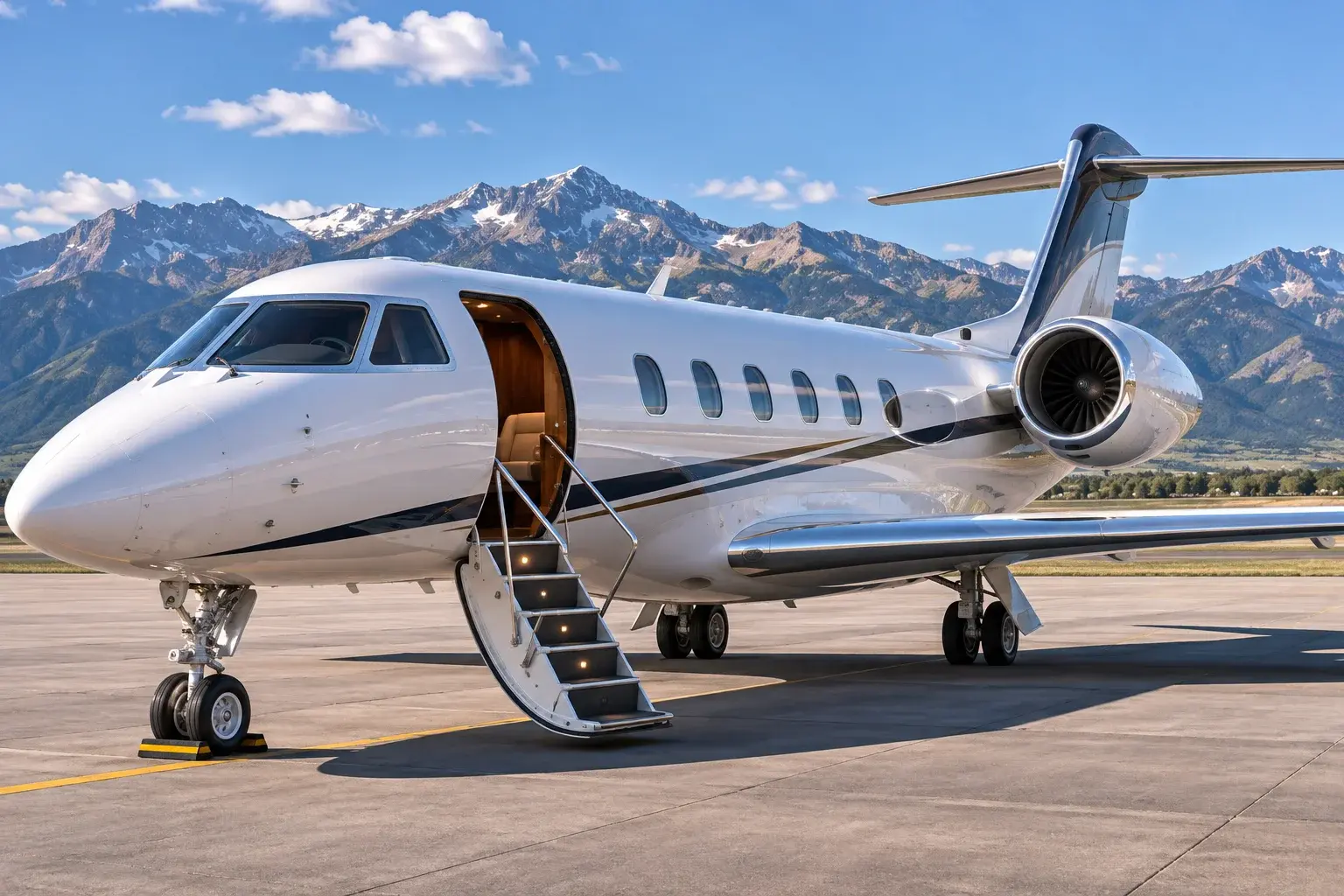
For context, BlackJet approaches prepaid flying from a fundamentally different angle. Rather than offering a flat-fee pass on one airline's commercial schedule, BlackJet provides Jet Card programs - such as 25-hour or 50-hour cards - that give consistent, on-demand access to multiple aircraft types across light, midsize, and large-cabin jets, typically priced using a transparent jet card cost-per-hour model. There's no standby-style travel, no scrambling for inventory at midnight. You choose your departure time, your airport, and your cabin class, with guaranteed availability built into the program.
The difference is strategic: an airline year pass trades certainty for volume, while a Jet Card trades volume for precision.
Major Airline Flight Pass Options in 2027 (Frontier, Volaris & Others)
To understand what commercial airline flight passes actually look like in 2027, it helps to examine the specific products on the market. Below is a breakdown of the most notable offerings - their pricing, rules, and the trade-offs travelers should expect.
Frontier Airlines GoWild 2027 Annual Pass
Frontier Airlines has historically priced GoWild Annual Passes in the $399–$1,999 range depending on the tier and purchase timing. For 2027, Frontier announced a promotional offer at $399 - or $349 for Discount Den members - covering unlimited flights on eligible routes. Frontier's GoWild pass covers flights through December 31, 2027, with booking starting immediately from the date of purchase.
Key details:
Base fare per segment: $0.01, not including government taxes, airport fees, or optional extras
Booking window: Bookings open one day before for domestic flights; international routes open approximately 10 days before flight departure
No blackout dates in the 2027 version, though peak-day surcharges apply on high-demand dates (holidays, weekends)
Ancillary fees: Baggage fees are additional on all flights, as are seat selection, priority boarding, and bundles
Auto-renewal: Frontier's annual pass automatically renews at $599 per year unless the passholder takes action to cancel before October 31, 2027
Loyalty: Travel does not earn miles or status with Frontier in the same way regular fares do, though Frontier has begun allowing some accrual on add-on purchases
Seats: Seats are not guaranteed with the annual pass - all flights booked with the pass are subject to availability
Pass holders may face strict no-show penalties and auto-renewal terms, so reading the fine print matters.
Frontier Seasonal and Monthly Variants
Beyond the annual pass, Frontier offers a summer pass and shorter-window fly pass options:
A Fall & Winter Pass priced at $249, valid through February 28, 2027
A Monthly Pass at $149 per 30 days, with a separate enrollment fee
These seasonal passes are designed for flexible leisure travelers willing to plan around restrictions and travel light. The summer pass model - similar to the 2023 $399 May through Sept deal - covers a defined travel window with capacity limits. Credit-based subscriptions require a monthly fee for a fixed number of flight credits, and unused monthly flight credits may expire without rollover in subscription models.
Volaris Annual Pass
Volaris offers an annual pass for unlimited one-way direct flights across much of Mexico and select U.S. and Caribbean routes. The base airfare is effectively $0, but passengers still pay airport usage fees (TUA), security charges, and all ancillary costs for bags and seats. Flights are limited to Volaris-operated, nonstop routes - no codeshares, no stopovers. The pass is personal, non-transferable, available only to passengers 18 and older, and renewal is automatic.
Common Traits Across Airline Annual Pass and Unlimited Flights Products
Regardless of carrier, airline pass products share predictable constraints:
Feature | Typical Pass Rule |
|---|---|
Seat availability | Limited, capacity-controlled; booking flights using a pass does not guarantee seat availability on popular routes. |
Booking windows | Airline year passes often include booking windows of one to ten days before flight.s |
Add-on costs | Many airline passes require additional payments for taxes, fees, and checked baggage |
Loyalty accrual | No or limited mileage, elite status, or earn-mileage opportunities on many pass tickets |
Refundability | Annual passes often require upfront financial commitments and may not be refundable. |
Perks | Some airline passes offer potential additional perks like priority boarding and lounge access, depending on the tier.r |
Why airlines offer them | Airlines use passes to fill seats that would otherwise fly empty |
The bottom line: baggage, seat selection, and other costs can significantly reduce savings from a year pass. The pass works best when travelers accept these constraints rather than fighting them.
Airline Year Pass vs. Private Jet Access with BlackJet
For travelers exploring structured private jet access beyond airline passes, BlackJet's premium private Jet Card programs provide a contrasting model centered on guaranteed availability, privacy, and service.
An airline year pass and a BlackJet Jet Card both promise to simplify frequent travel, but they serve fundamentally different people with fundamentally different needs. The airline annual pass promises low-cost, high-volume flying for those willing to accept uncertainty, restrictions, and commercial airport logistics. BlackJet Jet Cards are designed for high-net-worth individuals and executives who need guaranteed schedules, privacy, and consistent service quality - without chasing inventory, and for ultra-frequent flyers, evaluating a 100-hour Jet Card cost guide helps determine when stepping beyond 25- or 50-hour products makes sense.
Annual flight passes are not suitable for business travelers with fixed schedules. That single observation shapes most of the comparison that follows.
How an Airline Annual Pass Works in Practice
Consider a traveler based near Trenton, in New Jersey, who holds a Frontier GoWild pass in 2027. To book a domestic flight, they log in the day before departure - often close to midnight - to check availability. If the route they want has an eligible fare, they book it at $0.01 plus fees. If not, they adjust: different day, different route, or purchase a backup fare on another carrier—or, for those wanting to hedge with occasional private lift, they might instead buy a seat on a private jet for a single critical leg.
This is the reality of pass-based commercial travel:
Popular routes and peak travel dates can be difficult to book with airline year passes
Travel between certain destinations may require connections if using an airline pass, since the network is limited to one carrier's route map.
Travelers must monitor fare calendars for weeks in advance, especially around holidays or busy summer and April travel windows.
Changes and cancellations may trigger fees or penalties, reducing flexibility
For leisure travelers with open schedules flying to major airports served by Frontier, this can still be a viable offering. But the moment schedule certainty or route flexibility becomes essential, the model breaks down.
BlackJet Jet Card Programs: The Premium Alternative
BlackJet's approach eliminates the core pain points of pass-based commercial travel. Through the 25-hour Jet Card and 50-hour Jet Card, travelers purchase a defined bank of flight hours at locked-in hourly rates across light, midsize, super-midsize, and large-cabin jets - valid for all of 2027, with no need to chase last-minute commercial seats. Travelers comparing options can look at a complete guide to 25-hour Jet Cards alongside a 50-hour Jet Card cost breakdown to understand how different hour levels affect pricing and flexibility.
What this looks like in practice:
Guaranteed aircraft availability within a set notice period - typically 24 to 48 hours in advance
Point-to-point travel from convenient private terminals (Teterboro, Van Nuys, West Palm Beach) instead of congested commercial airports
Full schedule control - departure times built around your meetings, not around the airline's inventory
All-in hourly pricing that includes fuel surcharges and U.S. Federal Excise Tax, reducing surprise fees
No dependency on a single airline's routes - fly where you need to go, when you need to go
According to industry data from Q2 2026, the average jet card cost per hour across programs in North America was $11,314 per hour (all-in), with light jets averaging around $8,456 per hour and large-cabin jets at approximately $15,236 per hour. BlackJet's published pricing starts with the 25-hour Jet Card at $50,000 for the Pay-As-You-Fly model, scaling to $450,000 for the 50-hour Fully-Funded option depending on cabin class.
These are real costs - significantly higher than a $399 annual pass. But the comparison is not apples to apples. It's a question of what you're paying for.
Key Dimensions: "Unlimited Flights" vs. Guaranteed Access
Airline annual and summer passes advertise unlimited flights, but that term is constrained by capacity, blackout periods (or peak-day surcharges), and network coverage limited to a single carrier. BlackJet does not sell unlimited flights at a flat fee. Instead, its Jet Card model gives a known bank of flight hours that can be used strategically across the year with high predictability and minimal hidden costs, aligning closely with the structures described in comprehensive jet card pricing guides.
Safety and Certification
Pass-based commercial travel uses standard airline safety protocols regulated by the FAA, but passengers have no control over aircraft type, crew assignment, or departure airport conditions.
BlackJet operates under a proprietary safety program called BlackJet Certified, which vets every operator, aircraft, pilot, and flight to standards that exceed baseline FAA Part 135 requirements. Fewer than 30% of the over 575 U.S. charter operators pass BlackJet's eligibility threshold. Every trip generates a safety report accessible in the BlackJet app, and each flight is monitored by a dedicated safety team. For travelers who want to understand how private aviation safety compares to commercial standards and explore in depth whether private jets are safe, this level of transparency is a differentiator.
Carbon-Neutral and Sustainability Performance
Frequent flying via ultra-low-cost carriers can mean older, high-density cabins with limited transparency about emissions. Frontier's GoWild pass does not explicitly include carbon offsets as part of the program.
BlackJet ensures every flight under its Jet Card program iscarbon-n anemissions-neutralal in 2027 via verified offsets included in the hourly rate - at no extra cost to the member, even on the most affordable private jet options that appeal to cost-conscious flyers. For heavy travelers looking to balance access with environmental responsibility, this is a meaningful distinction. Those interested in how green private jet travel works in practice or want a deeper look at jet card pricing structures will find that embedded sustainability is becoming a default expectation among discerning travelers, not an optional add-on.

A Business Use Case: Why the Difference Matters
Imagine an executive who needs to visit New York, Miami, and Dallas in a 36-hour window in October 2027. With a Frontier GoWild pass, they'd attempt to book three legs the day before each departure, hoping eligible fares exist on the right routes at the right times. Connections might be required. Flight departure times are locked to the airline's schedule. If one segment sells out, the entire trip plan collapses.
With a BlackJet Jet Card, that same itinerary is built around precise meeting times. A light or midsize jet departs from Teterboro to Miami at 7:00 AM, then repositions to Dallas by early afternoon, and returns to New York that evening; for larger executive teams or family groups, similar itineraries might require a private jet for around 20 passengers with a corresponding jump in cabin size and cost. Private terminals cut security and boarding time to minutes instead of hours. Stories like this are why people whose work depends on reliable travel turn to private aviation, often gravitating toward the best jet cards for frequent flyers that balance guaranteed availability with predictable cost.
The pass is a tool for volume. The Jet Card is a tool for precision.
Is an Airline Year Pass or BlackJet Jet Card Right for You in 2027?
Choosing between these two models isn't about which one is "better" - it's about which one aligns with your travel profile, schedule demands, and expectations. Here's a decision framework.
Who Benefits Most from an Airline Annual Pass
An airline year pass delivers genuine value for a specific type of traveler:
Extreme schedule flexibility: You can travel midweek, off-peak, and don't mind booking at the last minute - sometimes the day before. Spontaneous travelers gain the highest value from unlimited flight passes.
Domestic and regional focus: You primarily fly domestic routes or visit the Caribbean on a single carrier like Frontier Airlines or Volaris, and you're comfortable with limited route options.
Budget-first mindset: You're willing to accept add-on fees for bags, seat selection, and basic seating in exchange for near-zero base fares. You understand that paying for ancillary services is part of the program.
Hub proximity: Travelers living near a major hub benefit most from an airline year pass, since more routes are eligible and availability is typically higher; those considering owning an aircraft outright must also weigh ongoing expenses like private jet pilot and operation costs.
Leisure-driven: Your travel is discretionary. If a flight isn't available, rearranging plans costs you inconvenience, not revenue.
For this profile, a $399 annual pass that delivers a dozen or more domestic trips across several months of the year - especially outside peak summer and holiday windows - can be a legitimate bargain.
Who Is Best Suited to BlackJet's Jet Card Programs
BlackJet Jet Cards are built for travelers who cannot afford to leave their schedule to chance:
Executives and entrepreneurs who fly frequently for business or family reasons and place a premium on time saved, privacy, and reliability
Multi-city travelers who often fly between secondary or business aviation–friendly airports and need direct, nonstop routes that commercial airlines and annual passes simply cannot provide, and whose needs can even extend to private jets for groups of up to 50 passengers on complex corporate or event travel, including bespoke routings such as private jet charters in Karachi or other regional hubs
Predictability-driven buyers who want locked-in hourly rates, transparent fees, guaranteed aircraft standards, and a dedicated team handling logistics, safety oversight, and real-time support
Sustainability-conscious flyers who expect carbon-neutral performance as a baseline, not a marketing afterthought, whether they’re comparing BlackJet to competitors such as Flexjet’s jet card programs and costs
BlackJet's aircraft classes - from light jets for regional hops to large-cabin jets for transcontinental routes - give members the flexibility to match the right aircraft to each mission, something no single-carrier airline pass can replicate; travelers focused on affordability can also explore the cheapest private aircraft options that still deliver meaningful upgrades over commercial cabins.
Lifestyle and Productivity Impact
The gap between these two models shows up most clearly in time:
Metric | Airline Year Pass | BlackJet Jet Card |
|---|---|---|
Airport arrival before departure | 1.5–3 hours (commercial security, boarding) | 15–30 minutes (private terminal) |
Booking window | 1–10 days before flight | 24–48 hours with guaranteed availability |
In-flight environment | High-density cabin, limited workspace | Private cabin, quiet, productive |
Route flexibility | Single carrier's network only | Point-to-point, any eligible airport |
Schedule control | Subject to airline inventory | Departure time set by the traveler |
For people who use flight time as focused work or rest time, the difference between a quiet cabin and a crowded gate with boarding uncertainties on popular airline year pass routes is not a luxury - it's a productivity multiplier.
Making the Right Choice
If you're a leisure traveler who flies often on one carrier's network and thrives on flexibility, the airline annual pass is a valid, cost-effective tool. The math works when you fly enough segments to exceed the pass price, stay flexible on dates, and accept that availability is never guaranteed.
But if your travel life demands reliability - if you split time between multiple homes, offices, and international destinations, if missed connections cost you deals, if you need your year of travel to work around your calendar rather than the other way around - a BlackJet Jet Card becomes your strategic year pass to private aviation, and a comprehensive guide to jet card costs can clarify how that investment compares to airline passes over a full year.

Frequently Asked Questions About Airline Year Passes and Private Jet Access
What is an airline year pass?
An airline year pass is a subscription that lets a member book eligible flights for a flat annual fee. The pass may reduce the base fare substantially, but taxes, fees, baggage, and seat selection usually cost extra. Flights are subject to availability, so a pass does not guarantee a seat on a preferred route or date.
Which airlines offer annual flight passes in 2027?
Frontier offers its GoWild Annual Pass for eligible flights through December 31, 2027. Volaris also offers an annual pass for unlimited one-way flights on eligible routes. Each program has its own booking windows, route limits, fees, and availability rules; check the airline’s current terms before purchasing.
How far in advance can I book with Frontier’s GoWild pass?
Bookings for domestic travel open one day before departure. International booking windows are generally longer, but pass seats remain subject to availability. This makes the pass most useful for travelers who can change their dates or destinations rather than those with fixed appointments.
Is an airline year pass a good choice for business travel?
It can suit business travelers with flexible schedules, but it is generally not suitable for executives who must arrive at a specific time. Limited pass inventory, short booking windows, connections, and potential no-show penalties can make fixed itineraries difficult to manage. A Jet Card offers a different model, with prepaid flight hours and access to scheduled private aircraft subject to program terms.
Do airline year passes include baggage and seat selection?
Usually not. Pass holders may pay additional taxes, airport fees, baggage charges, and seat-selection fees on every trip. These costs can reduce the savings from a low-cost pass, especially for travelers carrying checked bags or traveling with family.
How does a BlackJet Jet Card differ from an airline year pass?
An airline year pass offers low-cost access to eligible seats on one commercial carrier, with availability and schedules controlled by the airline. A BlackJet Jet Card provides a prepaid bank of private flight hours across aircraft categories, with greater control over departure timing, airports, and cabin choice. It is designed for travelers who value schedule reliability, privacy, and personalized support rather than unlimited low-cost commercial segments.
What should travelers know about private aviation safety and sustainability?
Compare safety oversight, operator and aircraft standards, crew qualifications, and flight monitoring when evaluating private aviation. BlackJet’s BlackJet Certified program vets operators, aircraft, pilots, and flights, and provides trip safety reports. BlackJet also includes verified carbon offsets in its Jet Card hourly rate, making its flights carbon neutral under the program.
Conclusion: Choose the Flight Access That Fits Your Priorities
An airline year pass can deliver exceptional value for spontaneous travelers who live near a participating carrier’s hub, travel light, and can adapt when preferred flights are unavailable. Its low upfront price comes with trade-offs: short booking windows, limited seat inventory, extra fees, and little control over schedules.
For executives and discerning travelers whose plans depend on reliable timing, direct routes, privacy, and responsive support, a BlackJet Jet Card offers a different kind of access. Prepaid flight hours provide a structured way to travel across aircraft categories without the responsibilities of ownership, while private aviation safety oversight and carbon-neutral flights add confidence to each journey. Travelers can compare 25-hour Jet Card costs to see how prepaid access may fit their annual travel needs.
The right choice comes down to what matters most: maximizing low-cost commercial segments or protecting time and controlling the travel experience. For a leisure trip with flexible dates, an airline pass may fit. For a meeting-focused itinerary—such as flying from New York to Miami and onward to Dallas in a single day—private jet access can make the schedule work around you.
Elevate your travel - effortlessly. With BlackJet, private flight isn't reserved for a few - it's accessible on your terms through our Jet Card programs, complete with rigorous safety, carbon-neutral performance, and unmatched flexibility. Whether you're evaluating your first Jet Card or ready to design a 2027 travel plan built around your life, the next step is simple.
Explore BlackJet's Jet Card programs and discover how refined, reliable travel becomes your new standard.