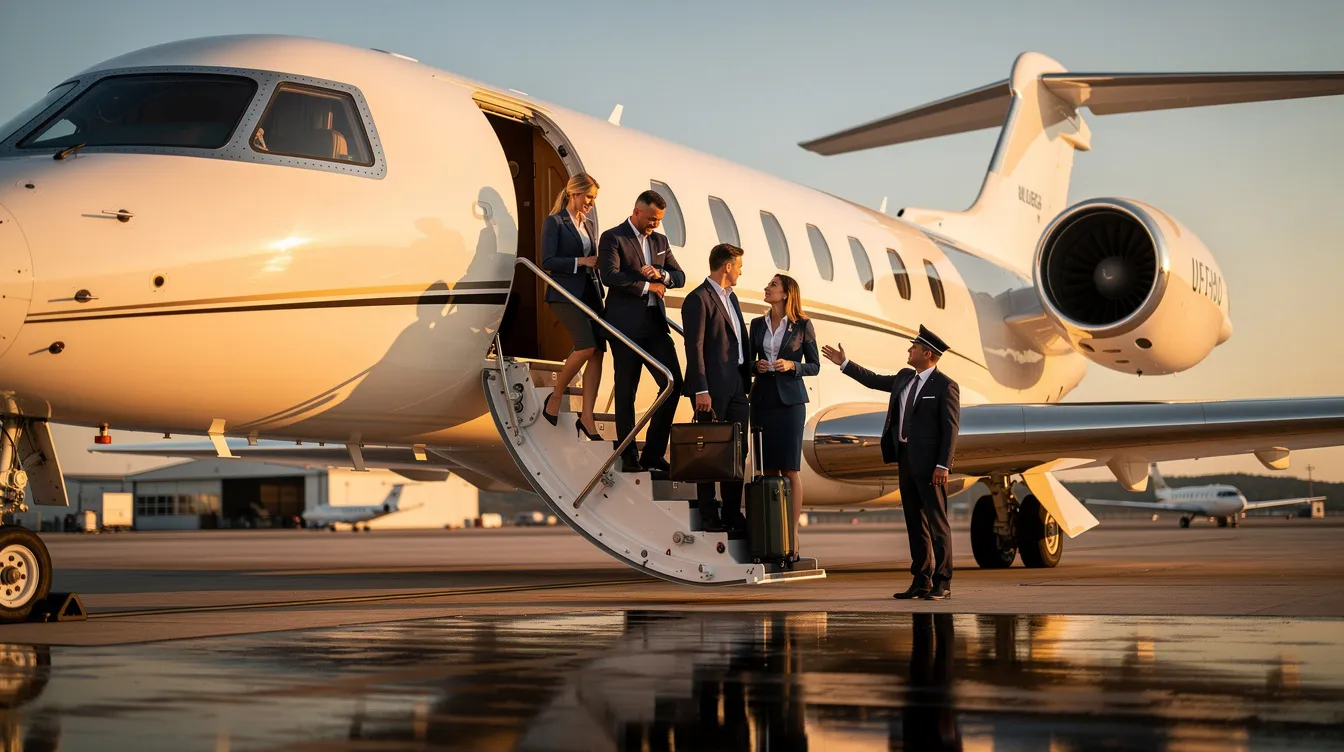
Private air travel is not just comfort; for executives, families, and business aviation users, it is a strategic advantage. The real question is not only “What is the price of an airplane?” but “What does reliable access cost over time?”
A 2008 Cessna Citation CJ3 can require roughly $4 million-$7.9 million before operating costs. At 25 aircraft hours a year, owning may literally cost multiples of a BlackJet Light Jet Card, where access replaces ownership complexity. This article covers initial purchase price, aircraft insurance, financing, taxes, maintenance, and charter or Jet Card alternatives over a 3-5 year course.
Initial Purchase Price: What Different General Aviation Aircraft Really Cost
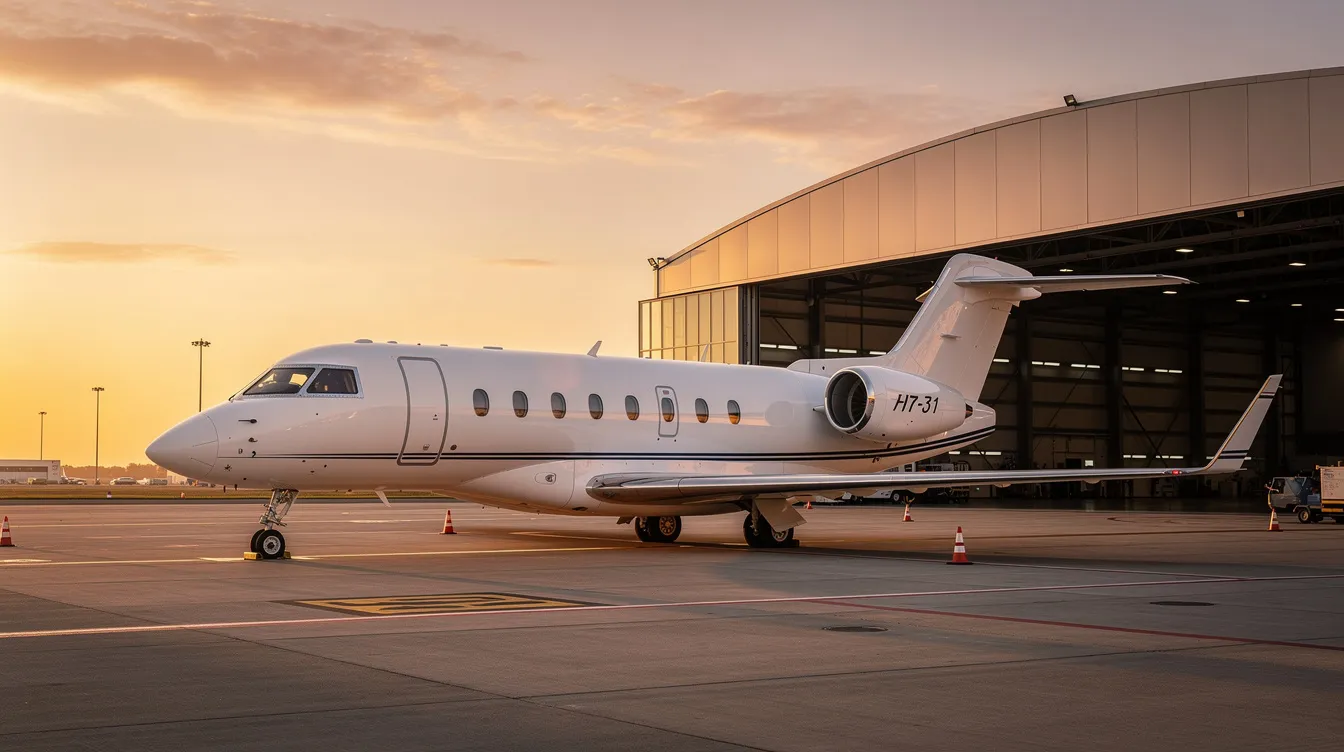
Aircraft pricing is determined by a mix of production costs, technological capabilities, and market demand. The initial purchase price sets the scale for every other aircraft pricing decision. Prices vary drastically by aircraft category, influenced by capacity, range, materials, and specialized technology. Aircraft pricing is determined by a mix of production costs, technological capabilities, and market demand; production costs are driven by raw materials, advanced avionics, and extensive research and development in the aerospace industry.
Category | Typical price range |
|---|
Light aircraft | under $100,000 to six figures |
Good-quality used Cessna 150 | as little as $30,000 |
Piston aircraft | $400,000-$1 million, depending heavily on engine age and avionics upgrades |
Very Light Jets (VLJs) | $3 million-$6 million |
Turboprop aircraft | $3 million-$7 million due to versatility and lower operating costs |
Heavy jets | $50 million-$80 million, driven by ultra-long-range capabilities and luxury features |
Narrow-body commercial aircraft | $100 million-$130 million |
Wide-body commercial aircraft | $280 million-$400+ million, depending on capabilities and construction materials |
Commercial widebody jets | over $400 million at the top end |
helicopters | $500,000 for light piston models to over $15 million for heavy twin-engine corporate models |
A 2024 Cessna 172S may sit around $400,000-$600,000; a 2023 Pilatus PC-12 NGX may approach $5.5 million-$6.5 million; a 2022 Embraer Phenom 300E can near $9.5 million; and a 2021 Citation Latitude can approach $18 million+. Aircraft values are affected by whether they are purchased new or pre-owned and factors such as age, flight hours, and number of flight cycles. Dealers, VREF-style data, Bluebook-style reports, avionics like Garmin G1000 NXi, ads and upgrades, and maintenance logs help aircraft owners benchmark values and explore the cheapest private jet options before obtaining more certifications or choosing to sell.
Ongoing Operating Costs: The Real Price of Keeping an Aircraft Flying
Many owners underestimate the real breakdown. A common rule of thumb is that ongoing operational costs will often match or exceed the initial purchase price over 5 to 10 years, so reviewing a comprehensive private jet price list and access models is essential before committing capital.
Major Operational Expenses
Operational expenses of aircraft include:
Crew salaries
Hangar fees
Insurance
Management services
Fuel, where understanding how much it costs to rent a private jet provides a useful benchmark against ownership
Maintenance
Annual inspections
Pilot training
Subscriptions
Wi-Fi
Landing fees
Engine reserves
Tie down the plane if it is parked outside rather than in a hangar
Fuel Costs
Fuel expenses represent one of the highest ongoing costs in aircraft ownership, frequently making up as much as 70 percent of the variable operational expenditures. Jet fuel costs typically range between $4 and $7 per gallon, and larger jets can incur significant fuel costs per flight.
Maintenance and Inspections
Maintenance and inspections are strictly mandated by the FAA, with costs that can escalate significantly over time; see FAA aircraft maintenance guidance.
Annual Expenses for Small Aircraft
Annual inspections for small aircraft can range in price from $750 to $2000, depending on the type of aircraft and its specific requirements. Annual inspections for small aircraft typically range in price from $750 to $2000, with costs increasing for specialized planes. Maintenance expenses for small aircraft typically constitute between 10 and 45 percent of the total annual operating costs, varying according to the aircraft's type and class. Typical annual expenses for a small single-engine aircraft can range from $8,000 to $12,000, including costs for hangar space, fuel, insurance, and maintenance. Owning a small single-engine aircraft typically incurs annual costs ranging from $8,000 to $12,000. These expenses cover hangar fees, fuel, insurance, and routine maintenance.
By contrast, BlackJet Jet Card pricing bundles aircraft, crew, core maintenance, and support into a predictable hourly model, and understanding Jet Card cost per hour helps clarify how those bundled economics compare with outright ownership.
Key Cost Drivers: Size, Range, and Mission Profile
Aircraft with superior fuel efficiency, longer ranges, and higher cruising speeds fetch a premium. A four-passenger New York-Chicago trip may fit a light jet; a seven-passenger New York-Los Angeles trip may require super-midsize jets, adding cost, fuel burn, runway needs, speed, and cabin comfort.
Impact of Technology on Pricing
Technology can improve safety and air performance, but advanced engines, composite materials, and avionics raise the acquisition price. BlackJet helps members navigate this difference with access to light, midsize, super-midsize, and large-cabin jets by trip, not by one fixed tail number, which can be especially valuable when comparing the cheapest private aircraft and budget-friendly options across categories.
Ownership Over Time: Depreciation, Financing, and Aircraft Insurance
Imagine buying a $7 million private jet, financing it, upgrading avionics, insuring it, scheduling regular training, and then discovering that private jets are depreciating assets that lose value over time, with pre-owned jets incurring higher maintenance costs.
Financing and Pre-Purchase Considerations
Financing a small plane typically involves interest costs, which can be influenced by factors such as the buyer's credit score, the intended use of the plane, and its condition; specialized markets like premium UK private jets for sale illustrate how geography and aircraft type affect these terms. Purchasing a pre-owned plane often requires a thorough pre-purchase inspection to identify any hidden defects that could lead to costly repairs, while some travelers instead buy a seat on a private jet to avoid ownership risk entirely.
Aircraft insurance includes hull and liability coverage, complementing broader premium private Jet Card programs from BlackJet that package access, safety oversight, and service into a single relationship. Premiums depend on pilot experience, location, aircraft age, usage, storage, and whether crews are undergoing regular training. Small general aviation aircraft insurance can be a few thousand dollars annually; light jets can reach tens of thousands.
Comparing Private Jet Access Models: Ownership vs Charter vs Jet Cards
For travelers flying 25-150 hours yearly, comparing options matters.
Aircraft ownership: maximum control, but expensive capital, staffing, maintenance, insurance, and management, often relying on experienced private jet companies for luxury travel and service.
Charter: useful for occasional search-based trips, but pricing and availability vary; a detailed cost comparison of chartering a private jet can clarify when this model makes sense.
Jet Card: prepaid access, predictable cost, safety oversight, and flexibility; a structured guide to Jet Card cost and membership pricing can help quantify these advantages.
For example, a European executive flying 80 hours yearly across regional business trips plus several transatlantic flights may save money with a 100-hour Jet Card cost structure instead of owning one model that cannot fit every mission. Ownership often starts to make sense around 250-300+ hours, but a detailed look at Jet Card pricing structures and benefits can reveal when membership remains the better value.
How BlackJet Optimizes Aircraft Pricing for Members
BlackJet reframes aircraft pricing from buying metal to securing guaranteed access. Members choose prepaid hours, multiple cabin classes, defined availability, digital booking, and real-time support. To view program details and get started, sign up for BlackJet access.
Safety is built into the price. Partner operators must meet third-party safety ratings, certifications, internal standards, recurrent training, and compliance checks. Sustainability is also included: BlackJet ensures every journey is carbon neutral at no extra cost through verified carbon offsets. Technology reduces friction through mobile booking, live support, and transparent account management.
Strategic Scenarios: When to Consider Aircraft Ownership vs BlackJet
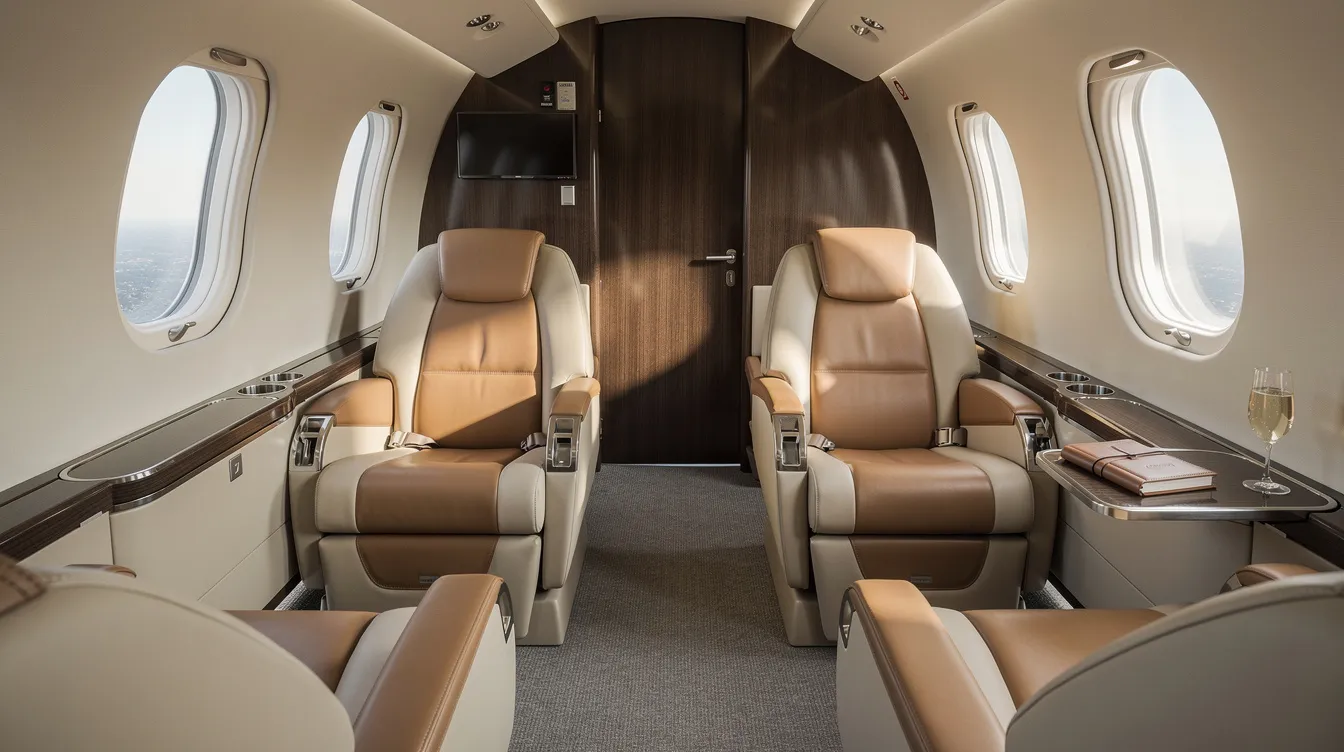
There is no universal answer; informed decisions depend on utilization, route, money, and capital preference.
Entrepreneur, 40 domestic hours: a 25-hour Jet Card program or similar BlackJet Jet Card is likely optimal; annual spend may remain in the thousands to low hundreds of thousands, without crew or hangar responsibility.
Family splitting New York-Europe time: a 50-hour Jet Card solution and Jet Card access to different jets improve comfort and range without owning one aircraft.
Corporate team, 300+ annual hours: aircraft ownership may work if the business accepts staffing, airport logistics, maintenance, financing, and resale risk.
FAQs on Aircraft Pricing, Insurance, and Jet Cards
What is the typical initial purchase price for a small general aviation aircraft?
A used Cessna 150 may be $30,000, while newer piston aircraft can run $400,000-$1 million.
How much does aircraft insurance usually cost?
Small aircraft insurance can be thousands annually; jet premiums are much higher and depend on aircraft, pilot, and usage.
How do maintenance and inspections affect yearly budgets?
FAA-mandated inspections, annual inspections, repairs, and reserves can reshape the average yearly cost quickly.
At what point does buying a jet make more sense than a Jet Card?
Usually, at 250-300+ hours yearly, assuming the owner values control over capital flexibility.
How are BlackJet Jet Card hourly rates calculated?
Rates account for aircraft category, crew, safety compliance, maintenance, fuel assumptions, and support.
Are flights really carbon neutral?
Yes. BlackJet includes verified carbon offsets by default.
What safety standards do partner operators meet?
BlackJet uses vetted operators with recognized certifications, audits, and regular training standards.
What happens if I do not use all my hours within a year?
Program terms vary; contact BlackJet for a tailored account review.
Conclusion: Turning Aircraft Pricing Knowledge into Better Travel Decisions
True aircraft pricing includes initial purchase price, operating costs, aircraft insurance, financing, depreciation, opportunity cost, and the administrative burden of owning.
For many travelers, BlackJet delivers private aviation access, privacy, safety, sustainability, and real-time support without aircraft ownership complexity. Elevate your travel effortlessly: contact BlackJet to compare ownership, charter, and Jet Card options for your routes and hours, then sign up for the access model that fits your world of possibilities.


 Sign up with google
 Sign up with Apple