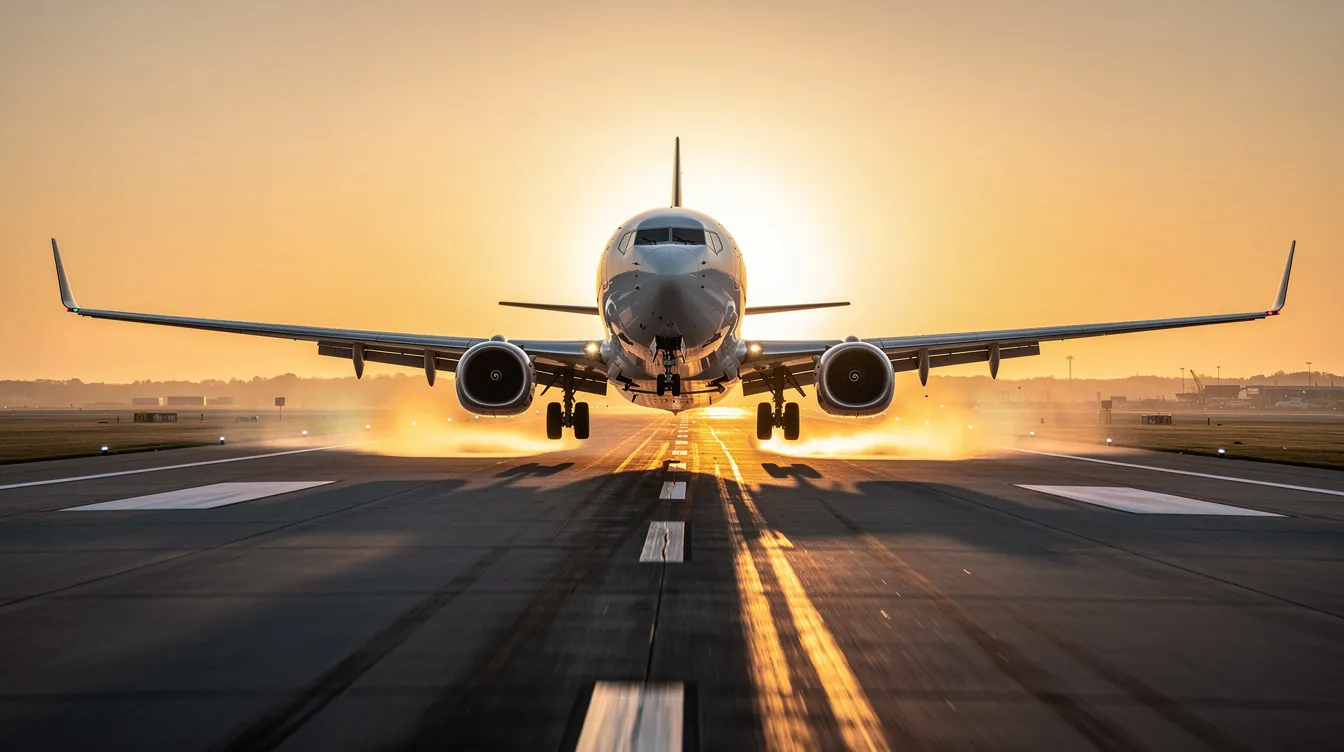
The Boeing 737 is one of the most widely operated narrow-body airplanes in the global fleet, carrying millions of passengers every year across commercial aviation and private charter alike. For executives and high-net-worth travelers, understanding the takeoff speed of the Boeing 737 is more than a technical curiosity: it offers insight into the safety margins, runway requirements, and departure planning behind every flight. Private jet access is not simply a luxury; it is a strategic advantage that gives travelers greater control over schedules, airports, and the overall journey.
This guide explains 737 takeoff speeds and the factors that shape them, with a focus on safety and private charter operations.
Strategic Value of Understanding Boeing 737 Takeoff Speed
Takeoff speed on the Boeing 737 is not a single number. It is a set of carefully calculated reference speeds that ensure the aircraft can accelerate, rotate, and climb safely—even if an engine fails during takeoff. Speeds vary with aircraft weight, weather, and runway conditions, so crews calculate them before every flight. These calculations affect runway needs, payload, fuel use, and departure reliability.
Commercial airlines such as United Airlines operate on fixed schedules from busy hubs, where slots, runways, and passenger loads constrain flexibility. Private charter operations can tailor payload to the mission, select an airport with suitable runway conditions, and adjust departure timing when operationally appropriate. A 737-class charter still follows the same certified performance and safety requirements; flexibility never replaces them.
A typical Boeing 737 takeoff speed falls in the range of 135 to 160 knots (approximately 250 to 300 km/h), depending on variant, weight, and environment. Precise speed calculations and suitable runway selection support smooth departures and reliable scheduling.
Key Takeoff Speeds on the Boeing 737: V1, VR, V2 Explained
Takeoff speed involves a set of critical reference speeds called V-speeds. These define the decision and performance points during takeoff: V₁ is the decision speed and critical speed for the go/no-go choice, VR is the rotation speed at which the aircraft begins to lift off, and V₂ is the takeoff safety speed for maintaining climb with one engine out. Pilots calculate them for each flight using many factors and operational data.
V1 (decision speed): The speed at which the crew’s decision to continue or reject the takeoff is made. It is calculated from several factors such as aircraft weight, weather, and runway length. A reject after V1 may not leave enough runway to stop safely, so the aircraft is generally committed to continue.
VR (rotation speed): The speed at which the pilot begins raising the nose to lift off. This is the liftoff speed passengers are most likely to notice.
V2 (safety speed): The target takeoff safety speed that supports continued climb with one engine inoperative, subject to the aircraft’s approved procedures and performance limits, while also protecting the minimum speed needed to generate enough lift safely.
For a 737-800 at medium weight, sea level, on a dry runway with a typical flap setting, representative values might be approximately V1 140 knots, VR 145 knots, and V2 150 knots. Actual values vary by aircraft configuration and conditions; these are illustrative, not operational guidance.
Reference speed | What it means | Illustrative 737-800 value* |
|---|
V1 | Decision speed for continuing or rejecting the takeoff | ~140 knots |
VR | Rotation speed; the pilot initiates liftoff | ~145 knots |
V2 | Takeoff safety speed for continued climb after an engine failure | ~150 knots |
*Example values only. Flight crews use approved performance calculations for the specific aircraft, runway, and conditions.
The Flight Management Computer calculates takeoff speeds using real-time performance data. Inputs include aircraft weight, temperature, airport elevation, runway length and condition, flap setting, and wind. The resulting V1, VR, and V2 values are checked by the crew and displayed in the cockpit before departure.
Typical Takeoff Speed of a Boeing 737 Under Real-World Conditions
Under normal operating conditions—medium weight, standard temperature, dry runway, and sea level to moderate elevation—Boeing 737 takeoff speeds typically fall within these approximate ranges:
Aircraft variant | Typical reference range in comparable conditions | Notes |
|---|
737-700 | V1 ~135–145 knots; VR ~140–150 knots; V2 ~145–155 knots | Values vary with load and runway conditions. |
737-800 (NG) | VR commonly ~140–150 knots; about 240–290 km/h overall | The Boeing 737-800 typically takes off at 240 to 290 km/h. |
737-900ER | Often similar or modestly higher at heavier weights | Fuselage length and tail-clearance limits can influence rotation planning. |
737 MAX 8/9/10 | Broadly comparable for similar weight and conditions | Improvements are more evident in efficiency and range than in a radically different takeoff speed. |
For example, a 737-800 departing London Luton for Rome at roughly 70–75% of maximum takeoff weight, with flaps 5 on a dry runway, might use representative values near V1 140 knots, VR 145 knots, and V2 150 knots. Actual speeds must be calculated for the day’s conditions by the operating crew.
When people refer to “takeoff speed,” they often mean VR—the moment the nose visibly lifts off the runway. V1 and V2 are equally important operational references, but describe different decisions and performance targets.
How Takeoff Speed Relates to Cruise Speed and Maximum Speed
The difference between takeoff speed and cruise speed puts the 737’s performance envelope in perspective.
At takeoff, the Boeing 737 is moving at roughly 135–160 knots (250–300 km/h).
At cruise, typically between FL330 and FL410, the 737-800 cruises at Mach 0.79, about 523 mph (842 km/h). Cruise speed is commonly discussed by Mach number rather than only mph or km/h because altitude and atmospheric conditions affect true airspeed. Most airlines standardize cruising speed around Mach 0.78–0.79 for efficiency. Higher cruising altitudes reduce aerodynamic drag.
The Boeing 737-800 has a maximum speed of Mach 0.82, approximately 620–630 mph at cruising altitude. Operators generally do not cruise at that limit because fuel burn rises for relatively little time saved. Frequent flyers using top-performing jet card programs often focus more on schedule control and cabin experience than on marginal differences in cruise speed.
The Airbus A320 has a similar maximum speed of Mach 0.82.
The length of the cruise phase helps determine how much small speed differences affect overall trip time and fuel use.
For travelers, the biggest time savings often come not from increasing cruise speed, but from avoiding connections, choosing a more convenient airport, and reducing ground time. Options such as buying a seat on a private jet or arranging a full-aircraft charter can offer very different door-to-door schedules even when the airplane type is similar.
Core Aerodynamics: Why the 737 Needs a Specific Takeoff Speed
Takeoff speed follows the physics of flight. The wings must generate enough lift to overcome the airplane’s weight. Takeoff reference speeds are set with appropriate margins above stall speed to preserve lift and controllability, including during critical engine-out scenarios.
Pilots use indicated airspeed as a key reference for lift; ground speed can differ because of wind.
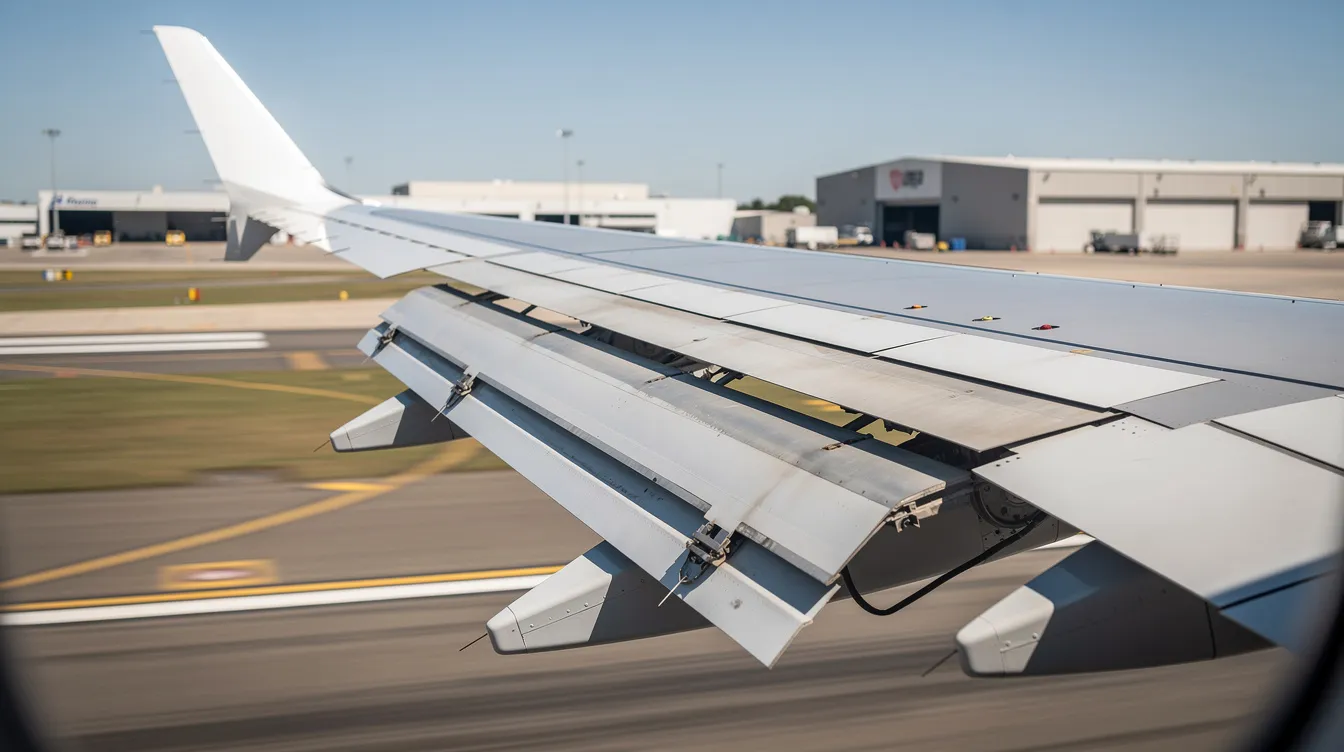
Flap settings influence takeoff speeds by changing lift and drag. The 737’s slats and flaps help the wing generate lift at lower speeds.
Winglets on NG and MAX models primarily improve aerodynamic efficiency and reduce cruise fuel use; they do not eliminate the need for flight-specific takeoff calculations.
Correctly calculated speeds support a controlled rotation and predictable initial climb.
Factors That Change 737 Takeoff Speed: Weight, Runway, and Weather
Many factors determine the exact takeoff speeds and distance required for any given 737 departure. Pilots and dispatchers evaluate each flight individually.
Factor | Effect on takeoff planning |
|---|
Aircraft weight | Heavier aircraft require more lift and generally higher takeoff speeds, while also using more runway. |
Runway length and slope | Limited distance can require a payload or fuel adjustment to stay within certified performance limits. |
Airport elevation | At high-altitude airports, reduced air density affects lift and engine performance; higher true airspeed may be needed to produce the same indicated airspeed. |
Temperature | Hot air is less dense, affecting engine performance and lift; hot-and-high conditions can reduce available performance. |
Wind | Headwinds improve takeoff performance by reducing required ground speed, while favorable winds can improve effective performance; tailwinds increase the necessary ground speed and runway demand. |
Runway condition | Wet or icy surfaces can increase required takeoff distances and may lead to operational restrictions. |
Flap setting | Flaps affect lift and drag, so the selected configuration is included in performance calculations. |
A fully loaded 737 MAX 8 departing Mexico City, at approximately 7,400 feet elevation on a hot summer day, faces thinner air than the same plane at a sea-level airport such as Nice. The crew’s performance calculations may show a longer runway requirement or a need to limit payload. These decisions are determined by the operator’s approved procedures, not by passenger preference.
Runway Length, Airport Choice, and Private Charter Flexibility
Runway length and condition affect the maximum allowable takeoff weight and the performance margins available for a Boeing 737. The 737-800 requires approximately 2,300 meters for takeoff under representative conditions, though actual distance depends on weight, weather, runway characteristics, and the specific aircraft.
Major commercial hubs such as JFK, LAX, and Heathrow offer long runways but may involve congestion, slot restrictions, and taxi delays. Secondary airports can be more convenient when they have suitable runways and meet all operational requirements. Private charter planning can consider alternate airports and departure windows, but no airport is used unless the aircraft’s performance and regulatory requirements are satisfied.
For example, a corporate group traveling from a regional airport to a financial center may avoid a connection through a congested hub. A charter flight can align departure time and airport choice with the group’s schedule, subject to aircraft availability and operational clearance. Compared with commercial first class, the benefit is not necessarily faster flight speed; it is a more direct, coordinated itinerary.
Advanced Technology on the 737 That Supports Safe Takeoff Speeds
Modern flight management systems and performance tools support precise, flight-specific calculations. The Flight Management Computer uses performance data and inputs such as weight, runway, flap setting, temperature, elevation, and wind to determine takeoff speeds. In addition, modern aircraft use flight-planning software and performance charts to refine efficient speed and performance calculations. Electronic flight bags can provide current charts, weather information, and runway condition reports for crew review.
Cockpit displays show speed cues and relevant flight information, while weight-and-balance data supports accurate performance planning. Real-time flight support also enhances the customer experience in private aviation, helping coordinate schedule changes and operational details. Technology supports trained crews; it does not replace their judgment or approved procedures.
Pilot Training and Procedures for 737 Takeoff
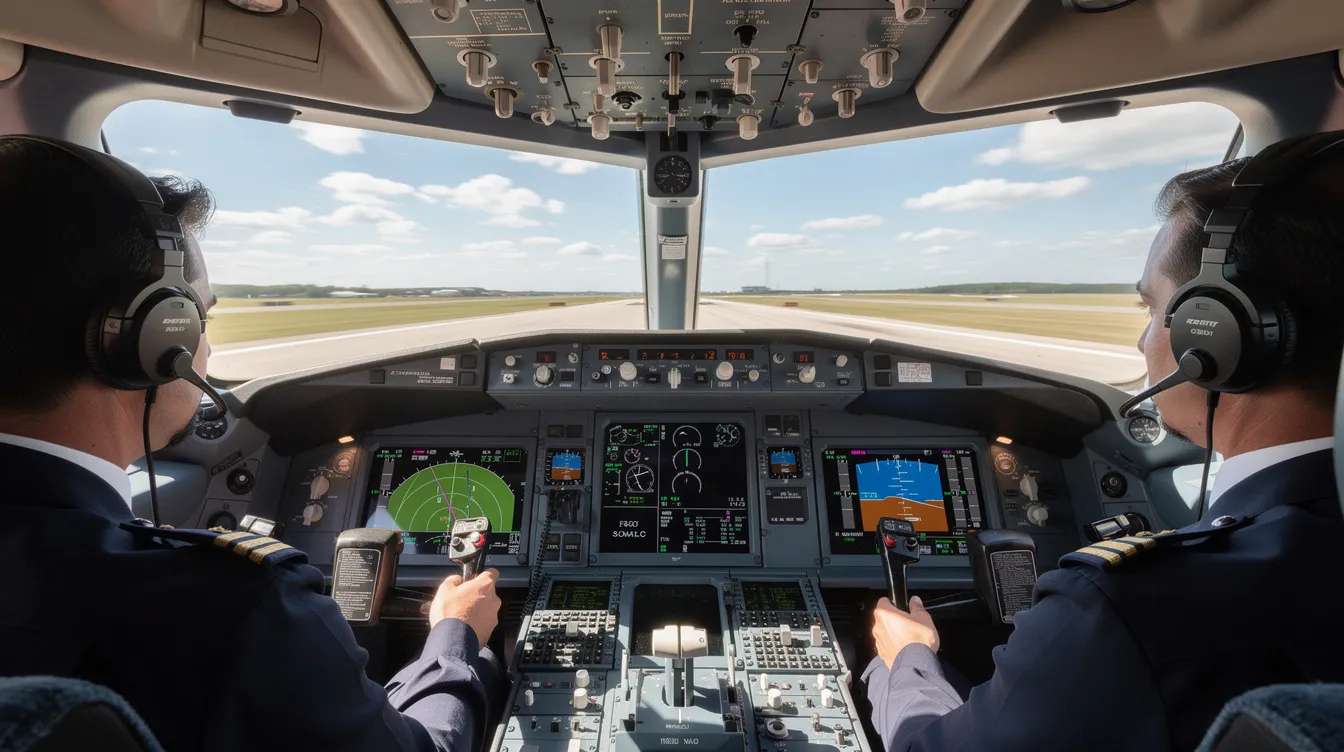
Before departure, the crew briefs the runway, flap setting, V-speeds, rejected-takeoff criteria, initial climb, and obstacle-clearance requirements. Simulator training rehearses scenarios such as engine failures, crosswinds, contaminated runways, and hot-and-high performance limitations.
Pilots calculate specific speeds before each takeoff because different aircraft do not use the same speed, then verify the figures and use standardized callouts as the airplane accelerates. BlackJet works with operators that meet applicable regulatory requirements and maintain appropriate pilot qualifications and recurrent training. Rigorous procedures and training are essential parts of private aviation safety.
Rejected Takeoff, Decision Speed (V1), and Safety Margins
V1 is a critical reference in the takeoff plan. Before V1, the crew may reject the takeoff in accordance with procedures; after V1, the plan generally assumes the aircraft will continue, including in the event of a specified engine failure. V1 is calculated alongside accelerate-stop and accelerate-go performance, runway length, and obstacle clearance.
On a 2,600-meter runway at sea level, for example, a 737-800 near maximum takeoff weight may need substantial runway distance to accelerate and take off. The actual requirement depends on the aircraft and conditions, and crews use approved performance calculations rather than a generic rule of thumb. The safety system combines certification standards, performance data, trained crews, and cockpit alerts.
Takeoff Speed Across the 737 Family: Classic, NG, and MAX
Across 737 generations, the Next Generation is the 737 generation series, while the MAX is the fourth generation of the family, so indicated takeoff speeds for comparable weights generally fall in a similar broad range, with aircraft weight and environmental conditions often more influential than the generation alone.
737 family | Typical takeoff-speed context | Principal distinction |
|---|
Classic (-300/-400/-500) | Broadly comparable speeds at similar weights | Earlier engines and wing design; lower maximum weights than many later models. |
Next Generation (-600/-700/-800/-900ER) | Often around 140–160 knots, depending on load and conditions | Higher weights and updated engines and aerodynamics (including the -600, -700, -800, and -900ER variants). |
MAX (-7/-8/-9/-10) | Comparable reference speeds for similar conditions | LEAP-1B engines and aerodynamic improvements emphasize efficiency and range. |
The 737 MAX entered service in 2017. Longer-fuselage variants may require careful rotation planning to maintain tail clearance. The MAX’s aerodynamic refinements primarily improve fuel efficiency, noise, and emissions rather than radically changing takeoff speed at a given weight.
How Seating Capacity and Cabin Layout Affect Takeoff Performance
Passenger count, baggage, cargo, and cabin equipment all contribute to aircraft weight. A typical two-class 737-800 often seats about 162 passengers, while a single class layout can reach up to 189. A VIP-configured Boeing Business Jet may carry far fewer passengers but include heavier furnishings and specialized cabin features, so actual weight still depends on the aircraft and mission.
A lighter operating load can support lower required speeds or shorter runway distances within the approved performance envelope, but configuration and weather remain decisive. For large groups, a 737-class aircraft can keep executives, staff, or event guests together rather than splitting them across several smaller jets. Selecting the right aircraft class is a mission-planning decision, not simply a question of cabin style, especially when evaluating the best private jets for around 20 passengers and other large-group options.
Passenger Comfort During Takeoff: Perception vs. Actual Speed
Passengers experience acceleration, engine noise, runway vibration, and the nose-up rotation at VR. The sensation is shaped by aircraft loading, cabin layout, and the smoothness of the transition—not just by the speed shown on an instrument. On some newer 737 MAX cabins, the Boeing Sky Interior can improve passenger comfort and make the journey feel shorter.
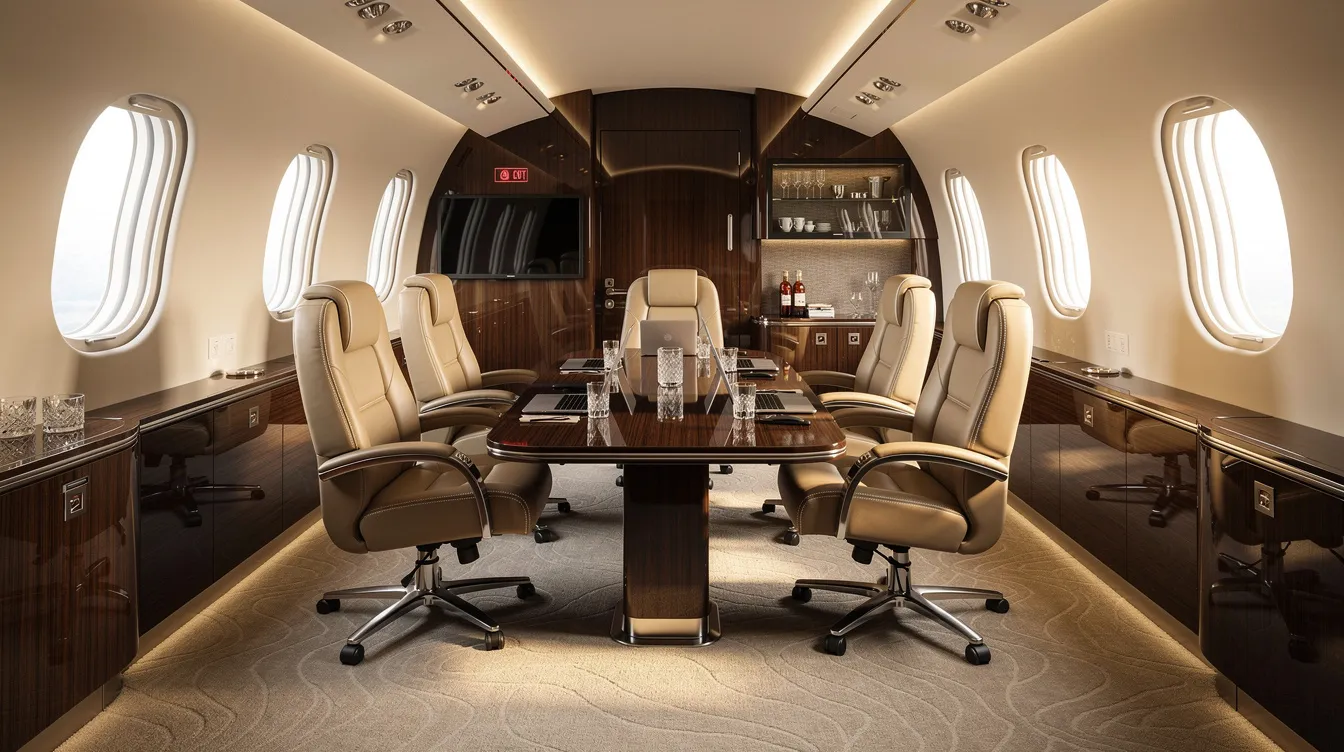
A VIP or corporate cabin offers more room and privacy than a standard high-density airline cabin, while correct speed planning supports a predictable departure. The same 737 takeoff speed can feel different depending on the cabin and passenger expectations.
From Takeoff to Climb and Cruise: How Speeds Evolve
After liftoff, the crew follows the aircraft’s climb profile, retracting landing gear and then flaps according to procedures. In many airspaces, indicated airspeed is limited to 250 knots below 10,000 feet, subject to applicable rules and exceptions. As altitude increases, the aircraft transitions to Mach references and climbs toward its planned cruise level. At altitude, the same indicated speed does not equal the same true airspeed, and Mach references become more useful as atmospheric conditions change with height.
The 737 typically cruises around Mach 0.78–0.79, at altitudes commonly ranging from FL330 to FL410. Higher cruising altitudes reduce aerodynamic drag and can improve efficiency. Predictable flight profiles help support arrival planning, ground transfers, and tightly scheduled business itineraries. On shorter sectors, climb and descent take up more of the trip, so cruise-speed differences matter less.
Environmental and Sustainability Considerations at Takeoff
Takeoff and initial climb are fuel-intensive phases of flight, and later speed choices also affect cost efficiency. Aircraft weight, thrust settings, and operating conditions affect fuel consumption and emissions. Accurate performance planning supports safe operation and avoids unnecessary payload or fuel where operationally appropriate.
Sustainable aviation practices, including carbon offsetting, are important in private aviation. Travelers exploring the most affordable private aircraft and access models can also factor sustainability into their choices. BlackJet offers carbon-neutral flights through carbon offsetting and supports sustainable aviation fuel where available, while travelers comparing the cheapest private jet options and access paths can weigh both cost and environmental impact. Offsetting is a way to address emissions, not a claim that the aircraft produces no emissions. Modern engines and efficient flight planning can also help reduce fuel use and noise, reducing fuel burn through efficient planning where possible without overriding safety requirements, while all takeoff decisions remain governed by safety requirements.
Safety Oversight, Certification Limits, and Speed Compliance
Aircraft certification establishes performance and operating limits through testing and analysis. Operators must comply with applicable FAA, EASA, and other regulatory requirements, including limits related to takeoff weight, runway performance, engine-out climb, and minimum control speed.
Cockpit speed cues, configuration warnings, and crew cross-checks provide layers of protection. BlackJet prioritizes operators with recognized safety standards and certifications, such as ARGUS, Wyvern, or IS-BAO, alongside regulatory compliance and operational oversight. Certification and safety protocols matter because they provide a framework for consistent, accountable operations—not a guarantee that risk is eliminated.
Speed, Scheduling, and the Strategic Advantage of Private 737 Charter
A commercial flight and a chartered 737 may fly at similar speeds at cruise altitude, but the door-to-door journey can differ. Commercial passengers contend with fixed schedules, security queues, connections, boarding delays, and taxi congestion. Private charter can coordinate departure times and airports around the itinerary, subject to availability, weather, and operating limits.
Imagine a 40-person corporate team traveling from a regional city to a financial hub. A commercial itinerary may require a connection and several hours on the ground; a chartered 737 may provide a more direct airport-to-airport journey. The precise time saved depends on route length, how much of the trip is spent in the cruise phase, and circumstances, but the strategic value is control, privacy, and coordinated access—not raw maximum speed.
BlackJet Jet Card Access to Large-Cabin and Airliner-Class Aircraft
For travelers who need capacity and range, Jet Card programs offer prepaid access to private jets for flexible travel without the responsibilities of aircraft ownership, and a solid understanding of overall jet card costs and pricing structures helps align the program with expected usage. BlackJet’s 25-hour and 50-hour Jet Card programs provide access across aircraft categories through partner operators; large-cabin or airliner-class aircraft such as a 737 may be arranged subject to availability, route requirements, and specific program terms.
Digital booking tools and 24/7 support help clients coordinate itineraries, while safety standards and carbon-neutral flight commitments are built into the service. A 737-class aircraft can suit executive teams, sports organizations, investor roadshows, or destination events, and sits alongside other large private jets for groups of up to 50 passengers in the airliner-class charter category. For smaller groups, a light, midsize, or heavy business jet may be a more appropriate fit. For ultimate range and comfort, the largest private jets and VIP airliners can support global itineraries and complex missions. Choosing the right aircraft means matching capacity, range, airport access, and schedule to the mission.
Frequently Asked Questions About Boeing 737 Takeoff Speeds
What is the typical takeoff speed of a Boeing 737-800?
At medium weight, sea level, and on a dry runway, VR may be around 140–150 knots (approximately 260–280 km/h). The 737-800 typically takes off at 240 to 290 km/h depending on aircraft weight and conditions. The crew calculates the actual speeds for each flight.
How does 737 takeoff speed compare with cruise and maximum speed?
Takeoff reference speeds are roughly 135–160 knots (250–300 km/h). The 737-800 typically cruises at Mach 0.79, about 523 mph, and has a maximum operating speed of Mach 0.82.
Is it safer to take off at a lower speed?
No. The aircraft must reach its calculated reference speeds to meet the planned lift and control margins. Pilots do not choose an arbitrary lower speed; they follow approved performance calculations and procedures.
Can a 737 safely operate from a shorter runway on a charter flight?
A 737 can operate only when the runway, aircraft weight, weather, and other conditions meet the applicable performance requirements. Payload adjustments or a different airport may be considered, but the operator must confirm that all required margins are met.
How do seating capacity and cargo affect takeoff speed?
Passengers, baggage, and cargo add weight. Greater weight generally increases lift requirements and can raise takeoff speeds and runway needs. The flight crew calculates the actual figures for the aircraft’s configuration and conditions.
How does BlackJet support safe takeoff performance?
BlackJet works with operators that use approved performance procedures and qualified crews, alongside appropriate maintenance, training, and safety oversight. The operating crew remains responsible for flight-specific performance decisions.
Conclusion: What 737 Takeoff Speed Means for the Discerning Traveler
Understanding the takeoff speed of a Boeing 737 reveals the calculations behind a safe and reliable departure. Typical takeoff speeds fall around 135–165 knots (250–305 km/h), while the 737-800 cruises near Mach 0.78–0.79 and has a maximum operating speed of Mach 0.82. The actual figures depend on aircraft configuration, weight, weather, and runway conditions.
For discerning travelers, the strategic advantage of private aviation is not a promise of faster flight at every stage. It is flexible access, a more direct itinerary, privacy, and expert coordination. BlackJet’s Jet Card programs pair private jet access with 24/7 support, rigorous operator standards, and carbon-neutral flight commitments.
Elevate your travel—effortlessly. Explore BlackJet’s Jet Card programs and discover private travel shaped around your schedule, with safety, sustainability, and flexibility built in.


 Sign up with google
 Sign up with Apple