The ICON A5 sits in a fascinating niche-an amphibious light sport aircraft built for recreation, water exploration, and pure flying enjoyment. But every pound matters in an airplane this size. In this article, we break down everything you need to know about the ICON A5 weight limit, from regulatory context to real-world loading scenarios.
ICON A5 weight limit at a glance
The ICON A5 has a maximum takeoff weight of 1,570 lbs for aircraft equipped with the company's weight upgrade package. The empty weight sits at approximately 1,080 lb depending on installed options, and the useful load of the ICON A5 ranges from approximately 430 to 490 lbs based on configuration and fuel state.
What makes this aircraft unusual among airplanes in its class is an FAA waiver that allows the ICON A5 to operate at a maximum gross weight of up to 1,680 pounds-well above the standard LSA limit of 1,430 lb for amphibious seaplanes. This places the A5 in a category between traditional light sport aircraft and heavier certified GA airplanes, giving owners meaningful payload without leaving the sport pilot ecosystem while inviting comparisons with the best small private aircraft for different missions.
For passengers and baggage, a useful load of 490 pounds sounds generous until you subtract fuel. Two people, a full tank, and a small duffel bag can push the aircraft close to its limits. At BlackJet, our clients often ask about ICON Aircraft performance when considering light aircraft transfers to waterfront terminals, and understanding these numbers is the first step in responsible aviation planning.
ICON Aircraft, LSA rules, and the FAA weight waiver
ICON Aircraft designed the A5 with one ambition: create a "recreational sports car of the sky." The manufacturer built an amphibious, sport-pilot-flyable seaplane loaded with advanced safety features-and then had to navigate a regulatory framework that wasn't designed for it.
A light sport aircraft in the United States is defined by strict criteria: a maximum of two seats, simplified certification, and a gross weight ceiling of 1,320 lb for land-based LSAs or 1,430 lb for seaplanes. The A5's amphibious hull, spin-resistant airframe, and mandatory ballistic recovery parachute pushed its weight beyond those thresholds.
In 2013, the A5 received an FAA waiver for increased weight, granting Icon's exemption to operate at up to 1,680 pounds while retaining LSA status. This waiver is specific to the ICON A5 and is tied to verifiable safety design elements-spin resistance, the parachute system, and compliance with ASTM consensus standards. Without these features, the aircraft would have needed full Part 23 certification.
At BlackJet, we monitor regulatory nuances like these closely. Safety certification and compliance act as non-negotiable pillars in how we vet aircraft partners and develop transfer solutions for our members.
ICON A5 weight, useful load, and real-world capacity
Useful load is the difference between the maximum gross weight and the aircraft's empty weight. It covers everything that goes into the airplane: fuel, crew, passenger weight, and baggage.
Before the development of the weight upgrade program, the A5's maximum gross weight was 1,510 pounds, yielding a useful load of roughly 430 lb. With the 2024 weight increase, the useful load of the ICON A5 increased to 490 pounds for upgraded airframes. The ICON A5 has a maximum baggage weight limit of 60 lbs, which means storage space and load planning are tightly linked.
In practice, here is what that looks like:
Full fuel (20 gallons, ~120 lb): Leaves about 370 lb for two people and bags
Two 185-lb adults + full fuel: Nearly at the limit with zero baggage
One pilot + partial fuel: Maximum flexibility for a heavier passenger or longer-range leg
The A5 requires careful weight calculations for safety during flight, especially when operating from water on hot days or at higher density altitudes. This is one reason BlackJet clients still prefer properly crewed private jets for primary travel—often weighing how much it costs to rent a private jet—and use aircraft like the A5 for short, scenic recreational hops.
Weight upgrade package and retrofits
ICON Aircraft developed a weight upgrade option to provide owners with more useful load while staying within the 1,680 lb waiver ceiling. The weight increase raised the allowable gross weight by about 60 lb-a meaningful step for a two-seat aircraft where every pound counts.
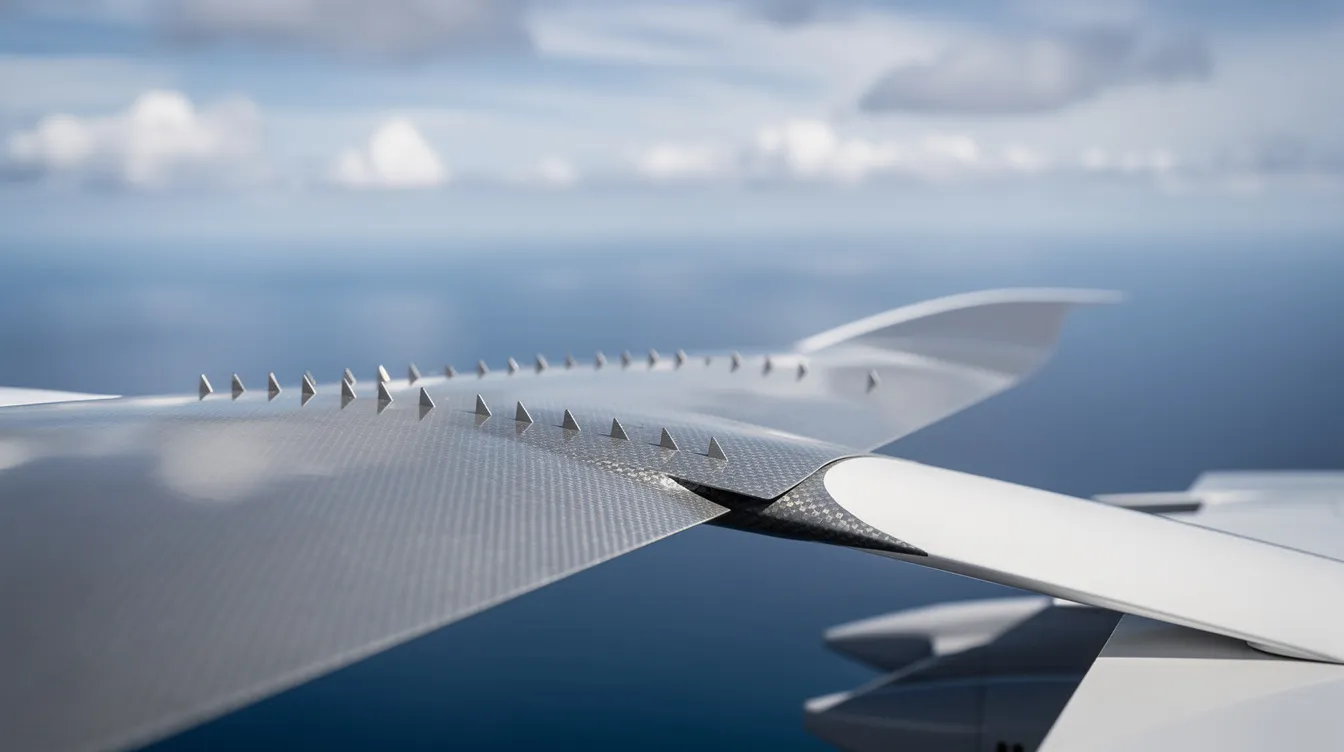
This is not just paperwork. The package includes structural validation, a new four-blade propeller (the E-Props 4-blade unit), and vortex generators that maintain the aircraft's stall speed characteristics under higher weight conditions. The upgrade is retrofittable to many existing A5s; both new-production and earlier serial-number airplanes can benefit after factory or authorized service center work.
Owners should consult ICON Aircraft directly for exact eligibility. Serial-number ranges, service bulletin compliance, and proper POH documentation must all align before an aircraft can legally carry the higher useful load. Not all optional configurations qualify automatically.
ICON A5 design features that drive weight and load limits
The ICON A5's many different design elements enhance its versatility but also add structural mass. The amphibious hull, Dornier-style sponsons, and integrated safety systems all contribute to an airframe that is heavier than a typical land-only LSA.
The A5 features a carbon fiber airframe and retractable undercarriage, keeping weight as low as possible while maintaining corrosion resistance for saltwater and freshwater operations. The sponsons house the retracted main landing gear, provide stability on water, and serve as a boarding step-three functions that demand robust engineering. The cockpit width of the A5 is 46 inches (116.8 cm), offering comfortable seats for two people side by side.
It is powered by a 100 hp Rotax 912 iS engine in a pusher configuration, with the engine driving the propeller from behind the cabin. The wings can be folded aft for ground transport and storage, though the folding mechanisms add hinge points and locking structure. Each of these design elements interacts with weight distribution and center-of-gravity limits.
Integrated safety features-the spin-resistant wing profile, angle-of-attack indicator, and ballistic recovery parachute (mandatory on U.S.-registered A5s)-justify some of the added mass and were central to the FAA's willingness to grant a higher weight limit through Icon's exemption.
Operational considerations: performance, range, and mission profile
The ICON A5 is optimized for low-altitude, local fun flying and water exploration. It is not a cross-country machine. Weight management significantly affects the ICON A5's flight performance across every phase of flight.
The A5 can reach speeds up to 90 knots in cruise, with fuel capacity of 20 gallons providing roughly four to five hours of endurance at economical power settings. Water takeoff performance is sensitive to the aircraft's weight-AOPA reported that water runs can stretch to 840 feet or more under standard conditions, and that distance grows at higher gross weight or density altitude. Heavier loading reduces the climb rate of the ICON A5, making conservative load planning essential on short lakes or glassy-water days.
Contrast this with the flexibility of light jets and midsize jets in BlackJet's premium private jet card programs and their broader jet card cost and membership pricing. Where the A5 shines as a scenic day-flyer, private jets provide the range, payload, and crew needed for business or international legs, especially when structured through the best jet cards for frequent flyers and evaluated on jet card cost per hour. The two work in concert, not in competition. Test your aircraft against its performance charts every flight-even a "recreational" airplane demands disciplined weight and balance checks.
How BlackJet clients think about small aircraft like the ICON A5
BlackJet is a premier private aviation partner that understands both high-performance jets-including many of the top private jets in the world and insights into the top private jet companies for luxury travel-and recreational aircraft like the ICON A5. Our members view the A5 not as a replacement for jet travel but as a lifestyle complement-a base price of entry into amphibious flying that pairs naturally with a 25+ Hour Jet Card membership or other 25-hour jet card options and pricing.
A typical scenario: a client flies via BlackJet Jet Card from New York to Miami in July, comparing options much like those in a detailed review of NetJets jet card cost structures or a broader analysis of 100-hour jet card cost and value, then takes an A5 from a nearby waterfront for coastal sightseeing. The ICON handles the last-mile adventure; the jet handles the heavy lift, selected from the main types of private jets available and aligned with your preferred private jet sizes and cabin categories to balance range, capacity, and budget. Weight limit and useful load constraints make the A5 unsuited to multi-passenger business trips, which is precisely where properly crewed, safety-audited private jets provide the right capability, even when travelers are focused on the cheapest private aircraft options or exploring what’s the cheapest private jet overall.
BlackJet's pillars-independent safety audits, carbon-neutral flights as standard, and 24/7 digital booking with real-time support-extend naturally into coordinating with local aircraft or seaplane transfers. Whether you are managing incidents of schedule disruption or simply need fuel availability confirmed at a remote strip, our infrastructure is built to support that ecosystem year after year.
Frequently Asked Questions About the ICON A5 Weight Limit
What is the ICON A5’s maximum weight?
The ICON A5’s approved maximum gross weight depends on its configuration and applicable documentation. The FAA waiver permits a maximum gross weight of up to 1,680 pounds, while the 2024 weight-upgrade package increases useful load to 490 pounds on eligible aircraft. Earlier A5s were commonly operated at a 1,510-pound gross weight. Owners should verify the aircraft’s current approved limits in its flight manual and records before flight.
How much can the ICON A5 carry?
Useful load varies by aircraft and equipment, with reported figures ranging from approximately 430 to 490 pounds. That allowance includes occupants, fuel, and baggage—not just passengers. The baggage limit is 60 pounds, and pilots must also check center of gravity and loading limits. AOPA aviation editor Dave Hirschman reported on the 2024 increase, but the aircraft’s approved documents remain the authority for each plane.
Does the weight upgrade improve the A5’s performance?
The upgrade provides additional approved payload on eligible aircraft; it does not eliminate the effects of weight on performance. Heavier loading can reduce climb rate and increase water takeoff distance, so pilots should use the aircraft’s performance charts and account for temperature, altitude, wind, and water conditions. The package’s components and eligibility should be confirmed with ICON or an authorized service center.
Why does the ICON A5 have a higher weight limit than a typical light-sport aircraft?
The A5 received an FAA waiver in 2013 allowing a higher maximum gross weight, up to 1,680 pounds, in recognition of its design and safety features. The waiver is specific to the aircraft; pilots should consult current FAA and manufacturer documentation rather than assume the limit applies to other aircraft. For further aviation reporting and owner resources, consult AOPA and the aircraft manufacturer.
Conclusion: Plan Every Pound for a Safer Flight
The ICON A5’s weight limit depends on its approved configuration, with eligible upgraded aircraft reaching a maximum gross weight of 1,680 pounds and a useful load of up to 490 pounds. Because fuel, occupants, baggage, and equipment all count toward that allowance, pilots should verify the aircraft’s records, calculate weight and balance, and consult current performance charts before every flight. Careful loading matters especially for water operations, where added weight can lengthen takeoff runs and reduce climb performance.
The A5’s amphibious design, carbon-fiber airframe, and safety systems make it a distinctive aircraft for local recreation, but its payload and range are not suited to every journey. For longer business or leisure trips, BlackJet’s Jet Card programs offer a complementary option: flexible private jet access without the responsibilities of ownership, while our curated UK private jets for sale listings support those considering full aircraft ownership. Together, the right aircraft for each mission—and disciplined attention to safety, certification, and sustainability—can create a more capable, considered approach to private aviation.
Elevate your travel-effortlessly. Explore how a BlackJet Jet Card can complement ownership of sport aircraft like the ICON A5, creating a complete, tailored private aviation lifestyle. Safety, sustainability, and flexibility, always.


 Sign up with google
 Sign up with Apple