Chartering a private flight starts with defining your trip details—departure and arrival cities, dates, passenger count, and any special requirements—then choosing the right access model, selecting a suitable aircraft, requesting quotes, checking safety standards, and booking with a provider such as BlackJet. For executives, frequent business travelers, and high-net-worth leisure travelers who want the flexibility, privacy, safety, and luxury of private aviation without owning an aircraft, this is one of the most effective ways to reclaim your most valuable asset: time.
Whether you are closing deals across three cities in a single day or getting your family to a ski resort without the chaos of commercial terminals, learning how to charter a private flight gives you more control over your schedule, your route, and your overall travel experience—while opening access to far more airports than commercial airlines can serve. This guide walks you through each step, from defining your mission profile and comparing on-demand charter with Jet Cards to understanding aircraft options, pricing, safety standards, booking, documentation, onboard experience, sustainability, and optimizing future trips with a jet card so your next small plane charter or long-range mission is as seamless as it is strategic.
Why Charter a Private Flight Instead of Flying Commercial
Chartering a private jet is not simply a luxury purchase. It is a strategic time- and productivity-play that commercial airlines cannot replicate. Commercial airline experiences can differ significantly from private jet travel, starting with the hours you spend before you ever leave the ground.
Consider a concrete example: a same-day business trip from New York to Chicago. Flying commercial, you need to arrive at JFK or LaGuardia roughly two hours early, clear TSA, navigate potential delays, and repeat the process at O'Hare on return - easily five to six hours of non-productive time per round trip. A private jet charter using Teterboro and Chicago Midway cuts curb-to-takeoff time to about twenty minutes each way, saving you half a day.
A charter flight means renting the entire aircraft on your schedule and route, rather than buying a seat on a scheduled airline. This is fundamentally different from fractional ownership, where you purchase a share of a specific aircraft, or full ownership, where you take on the entire capital and operational burden, and understanding the meaning of charter flights and how they work will help you choose the right model.
The benefits are tangible: chartering can save significant time compared to commercial flights, private jets can bypass TSA and long airport lines, and chartering offers flexibility to fly on your schedule. You gain direct access to over 10,000 airports - including regional airports commercial airlines cannot service - plus privacy for board meetings or family travel, and bespoke in-flight personalized service, making it easier to evaluate whether chartering a private jet is worth it for your specific routes and time constraints.
BlackJet is a B2C private aviation specialist offering on-demand private jet charter and premium private jet card programs with 25- and 50-hour blocks, safety-vetted aircraft, and carbon-neutral flights at no extra cost to members.
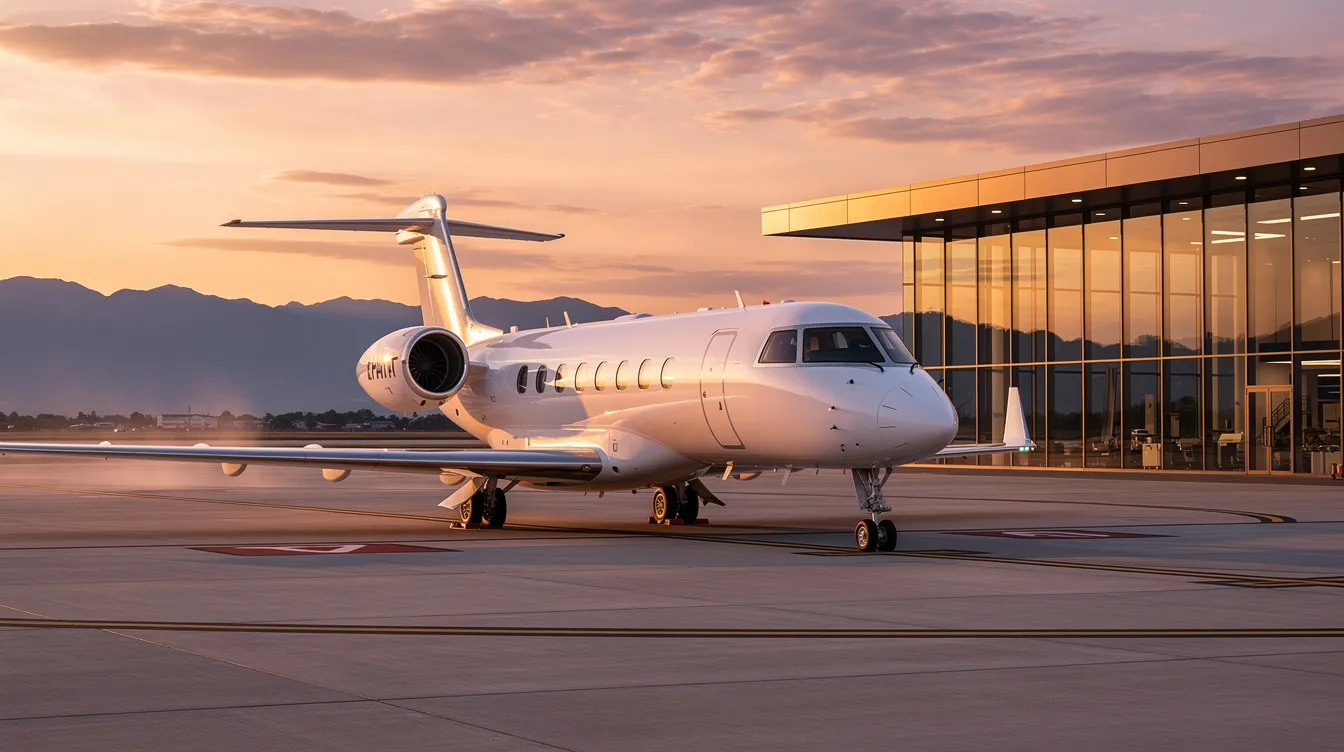
Step 1: Define Your Private Flight Mission and Requirements
Every successful private jet charter starts with a clear mission profile: where you are going, when, with whom, and why. Chartering a private flight involves a personalized process, and the better your brief, the better your options.
Start by deciding these trip variables upfront:
City pairs and direction: e.g., Los Angeles to Aspen, one-way or round-trip
Dates and flexibility: approximate travel dates with a buffer of a few hours or a day in either direction
Departure windows: morning, midday, or late evening - your preferred departure time shapes aircraft positioning and crew scheduling
Passenger count matters. How many passengers are flying, their ages (children, infants), and any special guests - pets, security teams, nannies - directly influence aircraft size and cabin layout. Private jets can accommodate 4 to 19 passengers plus crew, so your group size determines your starting aircraft category.
Luggage profile is equally important. Skis for Vail, golf bags for Scottsdale, film equipment, or trade show materials all affect aircraft options and cargo limits. Passengers should confirm baggage limits based on aircraft size before finalizing any booking, especially when evaluating the cost of chartering a smaller plane versus stepping up to a larger cabin.
Finally, consider the purpose of your trip. An executive roadshow needs Wi-Fi and a conference table; a family vacation to the Caribbean calls for pet accommodations and child-friendly catering. Large corporate or entertainment groups may even justify chartering aircraft for 100 passengers to control schedules and privacy. Planning should include confirmations for catering and special requests. Gather travel details before requesting quotes for charter flights, and send a written brief or checklist to your air charter provider or to BlackJet's flight support team.
Step 2: Choose the Best Private Aviation Model for You
There are several ways to fly private - on-demand charter, jet card programs, and fractional ownership - and the right choice depends mainly on annual flight hours and flexibility needs.
Ad-hoc charter is the simplest model. You pay per trip with no long-term commitments. On-demand charters are often the simplest approach for occasional flyers logging under 25–30 hours per year. The process generally involves working with a charter broker or operator who sources the best aircraft for each mission. Maximum flexibility, zero capital risk.
Jet Card programs like BlackJet's offer prepaid 25-hour and 50-hour blocks with fixed or capped hourly rates across cabin classes, priority access during peak days, and simplified budgeting. If you fly private between 25 and 100 hours annually, a jet card provides the sweet spot between cost predictability and freedom. Different companies structure their cards differently, so comparing terms matters, and frequent flyers should review the best jet card options for their profile before deciding.
**Fractional ownership means buying a share - typically 1/16 - of a specific aircraft, committing to 50+ hours per year, and paying monthly management fees plus occupied hourly rates. ** With upfront capital outlay of $700,000 to $1,000,000+ and annual costs exceeding $1.2 million for a midsize share, this model fits flyers regularly logging 100–300+ hours annually, and should be weighed against the full spectrum of jet card pricing and benefits before you commit capital.
A practical rule of thumb:
Annual Hours | Recommended Model |
|---|
Under ~25 hours | Ad-hoc charter |
25–100 hours | Jet Card |
100+ hours | Evaluate fractional or whole ownership |
For most individual executives and families, a BlackJet Jet Card delivers guaranteed aircraft access, no ownership risk, and predictable pricing - without the burden of depreciation or management fees.
Step 3: Understand Private Jet Aircraft Options and Cabin Classes
The right aircraft category balances comfort, range, airport access, and cost per hour. Over 20,000 unique aircraft are available for charter worldwide, and charter companies offer a range of aircraft from light jets to VIP airliners.
Here are the core categories and their typical missions:
Turboprops (5–9 seats): Ideal for short hops like Boston–Nantucket. Access very short runways that even small jets cannot use.
Very light jets (4–6 seats): Entry-level jet type with modest range (~1,000–1,500 nm). Good for quick regional hops.
Light jets (6–8 seats): Range of ~1,500–2,500 nm. A Citation CJ3+ handles Dallas–Santa Fe or similar missions efficiently.
Midsize jets (6–9 seats): Stand-up cabin, enclosed lavatory, full galley. Perfect for longer domestic routes.
Super-midsize jets: Nearly heavy-jet comfort at lower operating cost. A Challenger 350 covers New York–Miami nonstop with room to spare; the Bombardier Challenger 650 has a maximum range of 4,011 nautical miles, and these sit just above many of the most affordable private jet options for new flyers.
Large/long range and ultra long range jets: The Gulfstream G650 has a range of 8,000 nautical miles - nonstop New York–London with a full cabin. Even the Airbus A320 family, used as VIP airliners, offers a range of 3,100 to 4,700 nautical miles for larger jets carrying bigger groups, making them strong candidates when selecting the best private jet for around 20 passengers.
Choosing the right aircraft depends on factors like trip length and passenger count. A larger aircraft generally offers more baggage space and comfort, but small jets are more cost-effective per hour and can access airports that larger jets cannot - think Aspen's short runway or St. Barths' steep approach. Travelers focused on value often start by comparing the cheapest private aircraft categories against their mission profile. Weather, runway length, and airport noise restrictions can limit certain ultra-long-range aircraft at specific destinations.
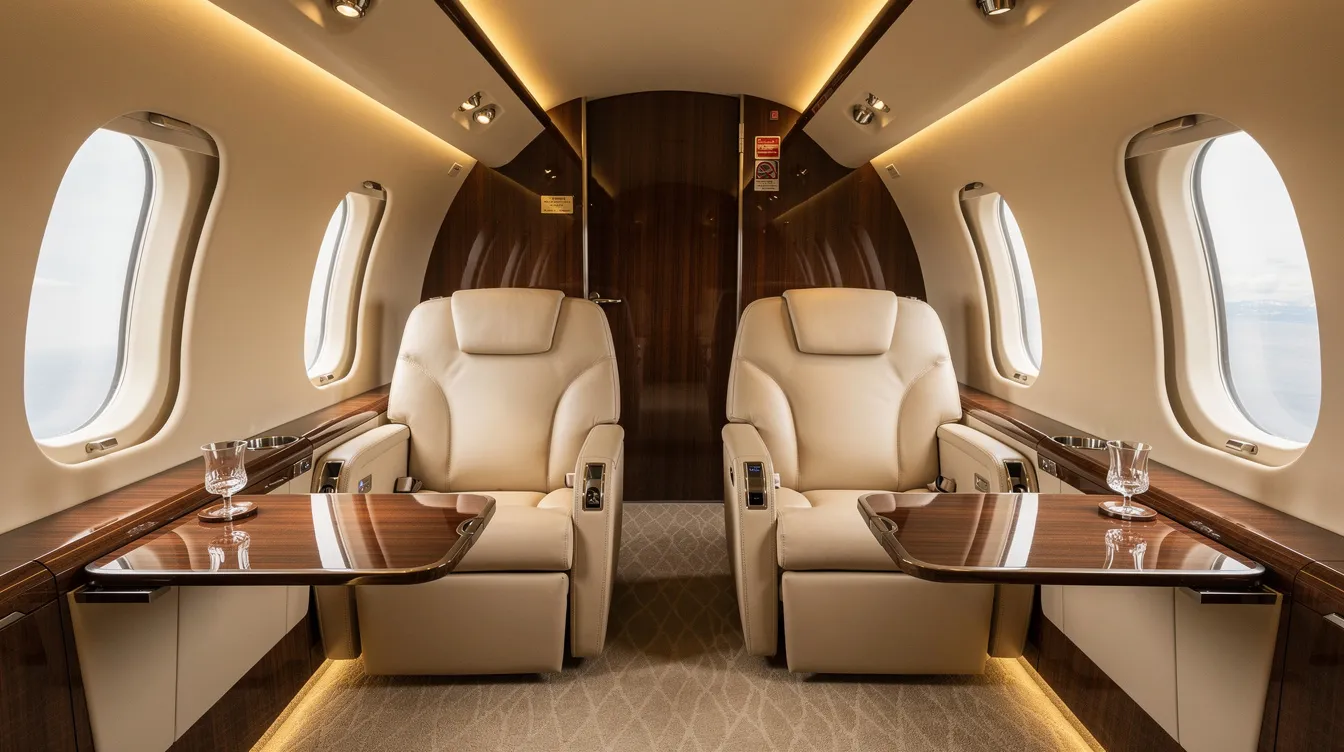
BlackJet's aviation experts and digital tools surface suitable aircraft options automatically once you provide dates, route, and passenger count - complete with photos and cabin layouts.
Step 4: Set a Realistic Budget and Learn How Pricing Works
Understanding the cost structure is essential in chartering a private flight. Private jet charter pricing becomes transparent once you know the levers: aircraft type, flight time, positioning needs, and peak-day demand. Costs for chartering a private flight can vary significantly based on several factors.
Here are realistic 2026 hourly rates by cabin class, which you can compare against a broader private jet price list and access models when evaluating ownership, charter, or membership:
Aircraft Class | Approximate Hourly Rate |
|---|
Turboprops | ~$2,000–$3,000/hr |
Light jets | ~$3,500–$5,000/hr |
Midsize jets | ~$5,000–$7,000/hr |
Super-midsize | ~$7,000–$9,000/hr |
Large-cabin / ultra long range | ~$10,000–$15,000+/hr |
Hourly rates for turboprops start around $2,000, while private jet charter costs can exceed $14,000 per hour for large jets. Short domestic flights may cost less than $1,000 per hour per passenger when the cabin is full. International flights typically range from $45,000 to over $100,000 one-way for routes like New York to London.
Jet charter costs typically include hourly rates and various service fees - crew, maintenance, insurance, navigation, and standard catering are generally bundled. However, the quote may vary based on aircraft type, flight duration, and additional charges such as de-icing, hangar fees, or special ground transport. Always review the quote for cost inclusions and potential additional fees.
Key pricing concepts to understand:
Repositioning (ferry) legs: If the plane must fly empty to reach your departure city
Minimum daily flight hours: Usually 1–2 hours minimum per day
Peak-period surcharges: Christmas, New Year's, major sporting events
Crew overnight expenses: For multi-day trips
Empty leg flights - repositioning segments sold when you can match the route and schedule - can reduce costs by 25–75%. They are ideal for flexible leisure travelers, though not always viable for time-critical business trips, and are one of several tactics covered in our guide on flying private more affordably. Use BlackJet's cost estimator to see how rates break down for your specific travel plans.
BlackJet Jet Cards simplify all of this: one transparent hourly rate per cabin class, no surprise repositioning charges within the card footprint, and detailed digital quotes showing all taxes and fees upfront, which you can benchmark against jet card cost per hour across providers.
Step 5: Compare Charter Services and Vet Safety Standards
Safety and regulatory compliance matter far more than chasing the lowest quote when you fly private. Selecting a reputable provider is essential for a successful charter experience, and analyzing safety compliance and crew qualifications is a crucial part of the chartering process.
Here are the specific safety markers every traveler should ask about:
FAA Part 135 certification (or EASA equivalents in Europe) - the regulatory baseline for commercial charter operations
Third-party ratings: ARGUS Gold or Platinum, Wyvern Wingman, or IS BAO certification. ARGUS Gold standards ensure charter operator safety compliance through documented safety management systems and internal audits
Pilot qualifications: Minimum flight hours, type ratings, and recency of recurrent training
Operational history: Incident records, fleet age, and maintenance oversight programs
Private jet safety ratings assess crew training and aircraft maintenance, and the FAA's Safe Air Charter initiative promotes safety awareness across the industry. Pre-flight safety reports are mandatory for every charter flight. Charter operators must meet rigorous safety and maintenance standards - U.S. Part 135 operations report approximately 1.04 accidents per 100,000 flight hours, but operators with enhanced audit credentials trend significantly lower, which aligns with broader data on how safe private jets are in practice.
Red flags to watch for: unusually low pricing compared to market averages, operators unwilling to share tail numbers or insurance details, vague answers about safety audits, or pressure to pay in cash immediately.
Safety verification should include checking third-party safety ratings and confirming that your provider's flight crew meets current training standards. BlackJet works only with rigorously vetted Part 135 operators, maintains proprietary safety profiles on each aircraft and crew, and provides clients with pre-flight safety intelligence on request. We recommend assigning a "flight approver" - a family office manager or corporate travel head - who reviews safety documentation before confirming any new charter vendor.
Step 6: Request Quotes and Secure the Right Charter Flight
Once your mission is defined, aircraft category chosen, and budget framed, it's time to request formal charter quotes. Booking a private jet can be done in as little as four hours for domestic trips, though international flights and peak-holiday bookings benefit from more lead time.
When requesting quotes, submit these flight details:
City pair (e.g., Van Nuys to Bozeman)
Preferred date and departure window
Passenger list with full names
Luggage details and special requests like pets, kosher catering, or an onboard interpreter
Booking may involve discussing a range of aircraft options with the broker. A professional quote from a company like BlackJet should include: the specific aircraft type and year of manufacture, safety ratings, exact hourly rate, estimated flight time, itemized taxes and additional fees, cancellation policy, and payment terms. Chartering a private flight typically requires signing a charter agreement before the trip is confirmed.
Compare at least two to three options for the same route on the same travel dates - not just by price, but by cabin size, year of aircraft, Wi-Fi capabilities, and crew experience. For very large groups, you may compare heavy jets and VIP airliners when deciding on the best private jet for up to 50 passengers. Chartering a plane allows access to over 10,000 airports, and private jets can access hundreds of regional airports not serviced by airlines, so your final destination options are far wider than with commercial flights.
Payment methods include major credit cards, bank wire, or drawing against a Jet Card balance. Contracts are typically executed via secure e-signature.
Mini-scenario: You open BlackJet's app to book a New York–Nassau weekend in March. Within minutes, you receive three aircraft options - light, midsize, and super-midsize - with side-by-side comparison of pricing, cabin photos, and crew profiles before selecting and confirming the charter flight.
Step 7: Handle Documentation, Security, and Customs
Documentation for private flights is simpler than commercial aviation but still essential, especially for international private aviation.
U.S. domestic flights require:
Government-issued photo ID for all adult passengers
Recommended identification for children where applicable
TSA Secure Flight data collection where required
International flights require:
Valid passports for all passengers
Visas where necessary (e.g., ESTA for U.S. entry, ETIAS for Schengen zone)
Country-specific health or vaccination documents
Customs procedures differ from commercial travel. When flying private internationally, you may use pre-clearance at dedicated facilities where available, or customs agents will meet you directly at the FBO. Passengers must declare cash above thresholds, luxury goods, food, plants, or pets to comply with regulations.
Security screening is notably different: no TSA lines, no shoe removal, no body scanners. However, luggage and cabin are still checked by crew and FBO personnel, and all passengers are vetted against watchlists in the background. Private jet charters can save significant time by bypassing TSA delays - often reclaiming one to two hours per leg.
BlackJet's 24/7 operations team coordinates landing permits, customs slots, APIS submissions, and documentation reminders so clients can focus on the trip rather than paperwork - delivering a seamless travel experience from curb to cabin.
Step 8: What to Expect at the FBO and During Your Private Flight
Imagine arriving at a private terminal just twenty minutes before departure instead of two hours early at a crowded commercial terminal. Passengers usually need to arrive 15 to 30 minutes prior to departure - that is the entire pre-flight experience.
The ground experience:
Dedicated parking or chauffeured drop-off directly outside the FBO
A quick ID check at reception
A quiet lounge with Wi-Fi, refreshments, and private meeting rooms
Ground transport coordination handled in advance
Boarding flow: Your bags are loaded by line service technicians, the flight crew delivers a brief safety demonstration, and the plane taxis within minutes of boarding. No jetways, no gate changes, no crowds.
In-flight experience: Fully customized catering - from Nobu-quality sushi departing Los Angeles to farm-to-table menus from local purveyors - premium wines, in-flight Wi-Fi for video conferences, and adjustable cabin lighting and temperature. Most travelers find the in-flight experience on private charters surpasses even the best first-class seat on commercial airlines.
Use cases come alive here: An executive runs a board deck review from 41,000 feet between New York and Dallas on a super-midsize jet with a conference table and high-speed Wi-Fi. A family with children and pets flies to Jackson Hole on a midsize plane with tailored snacks, toys, and pet bedding - a luxurious experience without the stress of shared flights.
BlackJet's cabin service philosophy centers on pre-flight briefings, real-time inflight support if weather or ATC changes occur, and proactive rerouting when necessary - a seamless experience from wheels-up to your final destination.
Step 9: Plan for Sustainability and Carbon‑Neutral Private Aviation
Private aviation carries a higher per-passenger carbon footprint than commercial flights, and sophisticated travelers increasingly expect credible sustainability measures - not just marketing gestures.
Carbon offset programs work by calculating total flight emissions and funding verified projects - reforestation, renewable energy, methane capture - to compensate. The key is transparency: credible providers supply certified offsets with traceable documentation.
Sustainable Aviation Fuel (SAF) is a drop-in alternative that can reduce lifecycle emissions by up to 70% depending on feedstock and processing. SAF availability varies by airport - major hubs like LAX, SFO, and London Farnborough offer better access, while smaller airports may not stock it yet. In 2026, SAF adoption remains uneven, with larger operators and fleet programs leading the way.
BlackJet's commitment: Every flight for Jet Card members is automatically carbon-neutral at no additional cost. BlackJet partners with audited offset providers and prioritizes operators experimenting with SAF where available.
Concrete example: A 6-passenger super-midsize jet flying New York to Miami generates a calculable emissions footprint. BlackJet offsets these emissions through verified projects, and documents the results in an annual sustainability report the client can share with their family office or ESG team.
When evaluating charter companies, ask for transparent emissions data and proof of offset or SAF usage. Integrating sustainable flying into your overall wealth and impact planning is no longer optional - it is expected.
Step 10: Optimize Future Trips with Jet Cards and Smart Scheduling
Once you have chartered a few private flights, you can materially improve both cost efficiency and convenience by planning ahead and using the right tools.
A Jet Card like BlackJet's works in practice by prepaying for a block of 25 or 50 hours in a given cabin class, locking in hourly rates at a competitive rate, and drawing down time as flights are taken. No renegotiating each trip, and travelers weighing this option can review a full 50-hour jet card cost breakdown to understand long-term value.
Concrete benefits include: holders of the BlackJet 25+ Hour Jet Card also lock in fixed rates on mid, super-mid, and large-cabin jets with inclusive Wi-Fi and premium service.
Guaranteed aircraft availability with defined call-out times (e.g., 24–48 hours notice)
Priority during peak periods like Thanksgiving, New Year's, and Art Basel
A single contract rather than negotiating each individual charter
Provide access to a wider range of aircraft options across the global network
Scheduling strategies that save money:
Group client meetings on the same day to maximize a same-day out-and-back
Depart on off-peak days (Tuesday, Wednesday) to access better aircraft options
Use secondary airports to reduce taxi time and avoid increased demand surcharges
Build flexibility into travel dates to capture cost-effective positioning
BlackJet's mobile app and web platform enable instant quotes, real-time itinerary changes, digital passenger manifests, and push notifications about weather or slot restrictions. The booking process becomes as simple as a few taps.
We recommend that frequent travelers review their previous twelve months of flying - routes, hours, peak dates - with a BlackJet advisor to tailor an annual Jet Card or hybrid solution that fits their pattern and specific travel needs, especially if they are evaluating whether a 100-hour jet card program aligns with their usage.
Frequently Asked Questions About Chartering a Private Flight
These FAQs address the most common questions new private flyers ask when moving from commercial first class to private aviation.
How much does it cost to charter a private jet?
Costs depend on aircraft type, route, and season. A Los Angeles–Las Vegas light jet charter runs approximately $6,000–$9,000 one-way. New York–Palm Beach on a midsize jet costs roughly $22,000–$35,000. London–Nice on a heavy jet may exceed $30,000. For a deeper breakdown, explore our private jet pricing guide.
How far in advance do I need to book?
Booking a private jet can be done in as little as four hours for domestic routes. Ideal windows are 3–7 days for domestic and 7–14+ days for popular holidays or international flights. During periods of increased demand, earlier is always better.
What is the difference between a private jet charter, a Jet Card, and fractional ownership?
Charter is pay-per-flight with no commitment. A Jet Card prepays hours for predictable pricing and unlimited access to vetted aircraft, and understanding jet card pricing structures and tradeoffs will help you pick the right program. Fractional ownership means buying a share of a plane with significant capital and ongoing fees.
Is flying private safe?
Charter operators must meet rigorous FAA Part 135 standards. When you verify performance metrics like ARGUS ratings, pilot hours, and operational history, private charters are exceptionally safe.
Can I bring my pet, skis, or golf clubs?
Yes - most aircraft accommodate pets, sporting equipment, and oversized luggage. Confirm limits with your provider based on the best aircraft for your mission.
What happens if weather disrupts my charter flight?
BlackJet's operations team monitors conditions in real time and proactively reroutes, adjusts departure time, or arranges alternate airports to protect your schedule.
How to Get Started with BlackJet and Charter Your First Flight
Chartering a private flight is straightforward once you define your mission, understand your private jet options, and choose the right access model. Whether you are booking your first trip or your fiftieth, the process should feel effortless.
Here is how to begin:
Create a BlackJet profile online or via the mobile app
Share a sample itinerary - for example, "San Francisco to Cabo, 4 adults, January 2027"
Review curated aircraft options and pricing from a dedicated BlackJet advisor, using our private jet aircraft options guide to help select the perfect cabin class.
Decide whether to book trip-by-trip or lock in a Jet Card for the coming year.
Every interaction with BlackJet is backed by 24/7 human support, fully carbon-neutral private flights, strict safety vetting as detailed in our private aviation safety standards, and the ability to scale from solo business trips to large family holidays - all within a global network of vetted operators and premium aircraft.
Private jet travel is not a one-off indulgence. It is an integral part of how discerning travelers protect their time, security, and peace of mind. Elevate how you travel - discover how BlackJet can reshape your journey.


 Sign up with google
 Sign up with Apple